
A baseball field under bright lights has a completely different atmosphere. Evening games, late practices, and weekend tournaments all become possible once a reliable lighting system is installed. However, many facility owners, schools, sports clubs, and municipalities often wonder about one thing before starting a project – how much does it really cost to install and run baseball field lights?
The answer depends on many factors, including the size of the field, lighting requirements, equipment selection, installation conditions, and how often the lights are used. A small community baseball field and a professional-level stadium may both need lighting, but their budgets can be worlds apart.
The total investment usually has two parts – the upfront installation cost and the ongoing running cost. Understanding both helps buyers plan better, avoid unexpected expenses, and choose a lighting solution that makes financial sense over the long term.
How Much Does It Cost to Run Baseball Field Lights?
After the installation is completed, the next question most facility owners usually ask is – “How much will it cost every time we turn the lights on?”
The good news is that operating costs are usually easier to estimate than installation costs because they mainly depend on electricity consumption. However, the final number can still vary quite a bit depending on the lighting system, field usage, electricity rates, and how efficiently the lights are managed.
For most baseball fields, electricity is the biggest ongoing expense, but it is not the only cost to consider. Maintenance, inspections, and occasional repairs also play a role in the total yearly budget.
The basic formula for calculating electricity cost is:
Electricity Cost = Total Lighting Power (kW) × Operating Hours × Electricity Rate ($/kWh)
In simple terms, you need to know three things:
- How much power the lighting system uses
- How many hours the lights operate
- How much your local electricity provider charges per kilowatt-hour (kWh)
Once these three numbers are available, estimating the running cost becomes much easier.
Baseball Field Lighting Running Cost Example
Let’s look at a practical example.
Imagine a baseball field using:
- 40 LED baseball field light fixtures
- Each fixture rated at 1,000 watts
- Total operating time of 4 hours per evening
- Electricity rate of $0.15 per kWh
| Calculation Step | Formula | Result |
|---|---|---|
| Calculate total power consumption | 40 fixtures × 1,000 watts | 40,000 watts |
| Convert watts to kilowatts | 40,000 watts ÷ 1,000 | 40 kW total lighting power |
| Calculate daily energy usage | 40 kW × 4 operating hours | 160 kWh per day |
| Calculate daily electricity cost | 160 kWh × $0.15/kWh | $24 per evening |
| Calculate monthly electricity cost | $24 × 20 operating evenings | Approximately $480 per month |
| Calculate annual electricity cost | $480 × 12 months | Around $5,760 per year |
This example gives a general idea of how the calculation works. Actual costs can be higher or lower depending on the fixture wattage, electricity prices, operating schedule, and whether the field uses the full lighting system every time.
A tournament facility that runs lights 6 to 8 hours per day during busy seasons may spend much more than a community field that only uses lighting for a few evening practices each week.
Why Two Baseball Fields Can Have Very Different Running Costs
It is common for people to assume that all baseball field lighting systems have similar electricity costs. In reality, two fields with similar sizes can have completely different monthly bills.
The reason comes down to system design and usage habits.
For example, an older metal halide lighting system may consume significantly more power than a modern LED system while producing a similar level of brightness. A field that operates lights every night will also naturally spend more than one that uses lighting only occasionally.
The running cost is not determined by the lights alone. It is a combination of the lighting system, operating schedule, and energy management strategy.
Fixture Efficiency – The First Factor That Affects Energy Cost
The type of lighting fixture has a major impact on electricity consumption.
Modern LED baseball field lights have become popular because they can provide strong illumination with lower energy use compared with many traditional lighting technologies.
For example, replacing an older 1,500-watt fixture with a more efficient 1,000-watt LED fixture can reduce power consumption by about one-third while still maintaining suitable lighting performance, depending on the design.
| Calculation Item | Older Lighting System | LED Lighting System | Energy Difference |
|---|---|---|---|
| Number of fixtures | 40 fixtures | 40 fixtures | Same |
| Power consumption per fixture | 1,500 watts | 1,000 watts | 500 watts less per fixture |
| Total lighting power | 40 × 1,500W = 60 kW | 40 × 1,000W = 40 kW | 20 kW lower power consumption |
| Operating time | 4 hours per evening | 4 hours per evening | Same |
| Daily energy usage difference | 60 kW × 4 hours = 240 kWh | 40 kW × 4 hours = 160 kWh | 80 kWh saved per day |
| Electricity rate | $0.15/kWh | $0.15/kWh | Same |
| Daily electricity cost difference | 240 kWh × $0.15 = $36 | 160 kWh × $0.15 = $24 | $12 saved per evening |
| Monthly usage (20 evenings) | $36 × 20 = $720 | $24 × 20 = $480 | $240 saved per month |
| Annual savings | $720 × 12 = $8,640 | $480 × 12 = $5,760 | Approximately $2,880 saved per year |
The actual savings will depend on the existing system and electricity rates, but this example shows why energy efficiency matters when evaluating the long-term cost of baseball field lighting.
Operating Hours Have a Big Impact on Your Monthly Electricity Bill
A baseball field that operates lights for one hour per day will have a completely different energy bill compared with a facility hosting evening games, practices, and tournaments throughout the week.
| Operating Schedule | Lighting System Power | Daily Operating Hours | Daily Energy Consumption | Comparison |
|---|---|---|---|---|
| Short usage schedule | 40 kW | 2 hours/day | 40 kW × 2 hours = 80 kWh/day | Lower energy usage |
| Extended usage schedule | 40 kW | 6 hours/day | 40 kW × 6 hours = 240 kWh/day | 3 times more electricity used |
This is why understanding your actual field usage is important before selecting a lighting system. A facility hosting frequent night games may benefit more from energy-saving technology and smart controls because the savings accumulate over time.
Community fields, schools, and training facilities may have different operating patterns, so their ideal lighting solutions may also be different.
Electricity Rates Can Change the Total Cost
The price of electricity is another factor that directly affects operating expenses. Electricity rates vary depending on location, utility provider, commercial pricing structures, and sometimes the time of day when electricity is used.
| Electricity Rate | Energy Consumption | Calculation | Cost per Operation Session |
|---|---|---|---|
| $0.10/kWh | 200 kWh | 200 kWh × $0.10 | $20 |
| $0.15/kWh | 200 kWh | 200 kWh × $0.15 | $30 |
| $0.20/kWh | 200 kWh | 200 kWh × $0.20 | $40 |
The difference may seem small for one evening, but over hundreds of operating hours each year, the gap becomes much more noticeable.
A facility operating 1,000 hours annually could see a difference of thousands of dollars depending on the local electricity rate.
Smart Lighting Controls Can Help Reduce Unnecessary Energy Use
Many baseball fields do not need maximum lighting output for every activity. A practice session, youth training program, or warm-up period may require less lighting compared with an official game. This is where lighting controls can help.
Modern baseball field lighting systems can include features such as scheduling, remote operation, zone control, and adjustable lighting levels. For example, instead of turning on all 40 fixtures for a small training session, operators may only use selected lighting zones. This reduces energy consumption while still providing enough visibility for players.
A smart control system may add some upfront cost, but it can help reduce wasted electricity, especially for facilities with frequent usage.
Good lighting management is often one of the easiest ways to lower operating costs without affecting the playing experience.
Maintenance Costs Should Also Be Included in the Running Budget
Electricity is usually the main operating expense, but maintenance should not be forgotten. A baseball field lighting system is exposed to outdoor conditions all year, including rain, wind, dust, and temperature changes. Over time, components may require inspection or replacement.
Typical maintenance expenses may include fixture cleaning, electrical checks, driver replacement, control system servicing, and pole inspections. LED systems generally require less maintenance than many older lighting technologies because they have longer service lives and fewer frequent replacements. However, regular inspections are still useful to ensure the system continues performing properly. A facility that budgets a small amount each year for preventive maintenance can often avoid larger unexpected repair costs later.
How to Reduce Baseball Field Lighting Running Costs
Reducing operating expenses does not simply mean choosing the cheapest lighting equipment. A lower-priced system may cost more over time if it consumes more energy or requires frequent repairs. A better approach is to look at the complete cost over the system’s lifetime. Choosing the correct lighting level is one of the first steps. Installing more powerful lights than necessary increases both electricity usage and upfront costs.
A professional lighting design can help determine the right number of fixtures, pole positions, and beam angles needed for the field. Using efficient LED fixtures, improving lighting controls, and planning the operating schedule carefully can also create long-term savings.
For example, a field that reduces unnecessary operation by only 30 minutes per evening can save a surprising amount over a year.
| Calculation Step | Formula | Result |
|---|---|---|
| Lighting system power | — | 40 kW |
| Reduced operating time | — | 0.5 hours (30 minutes) per day |
| Daily energy savings | 40 kW × 0.5 hours | 20 kWh saved per day |
| Electricity rate | — | $0.15/kWh |
| Daily cost savings | 20 kWh × $0.15 | $3 saved per day |
| Annual operating days | — | 300 days |
| Annual electricity savings | $3 × 300 days | Approximately $900 saved per year |
Small adjustments can add up when they are repeated consistently.
Looking at the Total Cost Instead of Just the Electricity Bill
When planning a baseball field lighting project, it is useful to look beyond the monthly electricity bill. The true running cost includes energy consumption, maintenance, repairs, and system management. A lighting system that costs slightly more during installation may deliver better value if it saves thousands of dollars in electricity and maintenance over the years.
The best lighting solution is not always the one with the lowest purchase price. It is the one that provides reliable performance while keeping long-term operating costs under control.
By calculating expected usage, comparing energy consumption, and selecting the right lighting design, facility owners can make a smarter investment and enjoy a well-lit baseball field without unnecessary operating expenses.
How Much Does It Cost to Install Baseball Field Lights?
Installing baseball field lights is a major investment, and the total price can vary significantly depending on the type of field, lighting requirements, and site conditions. A small community baseball field may require a more straightforward lighting setup, while a tournament-level facility or stadium may need a much more advanced system with higher brightness levels, stronger poles, and more precise light control.
In general, baseball field lighting installation costs can range from tens of thousands of dollars for smaller projects to several hundred thousand dollars for larger professional facilities. The final price depends on many details, including the number of fixtures, pole height, electrical requirements, installation difficulty, and the quality of equipment selected.
A complete baseball field lighting project usually involves much more than simply purchasing light fixtures. The overall budget may include LED luminaires, light poles, concrete foundations, underground wiring, electrical panels, control systems, engineering design, permits, labor, and installation equipment.
For example, a local training field used for evening practices may only require moderate lighting coverage and basic controls. On the other hand, a competitive baseball field hosting league games or tournaments may require higher illumination levels, better uniformity, reduced glare, and advanced control features to create a professional playing environment.
One of the most common budgeting mistakes is focusing only on the fixture price. The lights are only one part of the project. A reliable baseball field lighting system is a combination of equipment, engineering, construction work, and long-term performance planning.
What Factors Affect Baseball Field Lighting Installation Cost?
Every baseball field has different requirements, which is why installation prices can vary so much. Two fields with similar dimensions may still have very different project costs because of differences in lighting standards, location, existing infrastructure, and construction conditions.
Understanding these factors can help facility owners prepare a more realistic budget before starting a lighting project.
Field Size and Lighting Requirements
The size of the baseball field is one of the first factors that influences installation cost. A smaller youth baseball field generally requires fewer fixtures and less lighting coverage compared with a full-size baseball field.
However, field dimensions are only part of the calculation. The required lighting level also plays a major role. A practice field may only need basic visibility for players and coaches, while a competitive field may require brighter and more evenly distributed lighting. Higher-level baseball facilities often need carefully designed lighting layouts to reduce shadows, improve visibility, and minimize glare for players, spectators, and nearby areas.
For example, a field used for occasional evening training may operate well with a simpler lighting arrangement, while a stadium hosting hundreds of spectators may require additional fixtures, better optical control, and more advanced technology.
The higher the performance requirement, the more detailed the lighting design becomes, which can increase both equipment and engineering costs.
Number and Height of Light Poles
Light poles are among the largest physical components of a baseball field lighting system. Their height, quantity, and structural requirements can have a major effect on the overall project budget.
Taller poles can provide better light distribution because fixtures can be positioned higher above the field. This often helps reduce glare and creates more consistent illumination across the playing area. However, taller poles also require stronger materials, larger foundations, and more complex installation methods.
A typical baseball field may use multiple poles positioned around the infield and outfield areas. The exact number depends on the lighting design, fixture performance, field layout, and required brightness level.
The installation process may involve excavation, concrete foundations, cranes, lifting equipment, and structural inspections. In some projects, pole foundations and installation work can represent a significant portion of the total cost, especially when the site requires deeper foundations or difficult construction conditions.
Electrical Infrastructure
The electrical system is another major part of baseball field lighting installation that is sometimes underestimated. A complete lighting system requires more than connecting fixtures to a power source. It may involve electrical panels, underground cables, conduits, transformers, circuit protection equipment, and control systems. If the existing electrical infrastructure is not strong enough to support the new lighting system, upgrades may be required. These upgrades can add additional costs to the project.
For example, a facility replacing old lights with modern LED fixtures may need fewer upgrades if the existing electrical system is suitable. However, a brand-new field with no existing infrastructure may require a complete electrical installation from the ground up.
The distance between the power source and the lighting poles can also affect costs. Longer cable routes require more materials and labor, increasing the overall installation expense.
Site Conditions and Installation Challenges
The installation environment can have a big impact on the final price. A flat and easily accessible field is usually simpler to work on compared with a site that has difficult terrain, limited access, or underground obstacles.
Several conditions may increase installation costs, including:
- Poor soil conditions requiring additional foundation work
- Long underground cable distances
- Limited access for cranes and equipment
- Removal of existing lighting systems
- Difficult weather conditions during construction
Location also matters. Projects in remote areas may have higher transportation and labor costs because equipment and installation crews may need to travel further.
Before preparing a budget, it is helpful to evaluate the site carefully because unexpected construction challenges can quickly increase project expenses.
Breakdown of Baseball Field Lighting Installation Costs
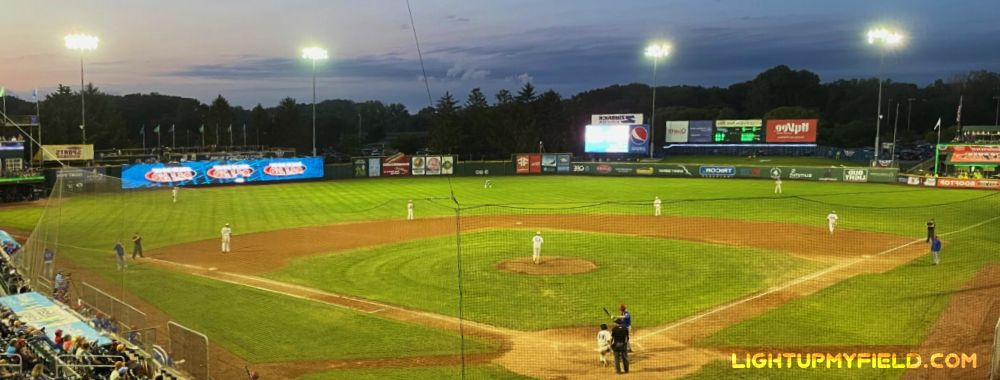
Understanding how the installation budget is divided makes it much easier to compare quotations, identify hidden expenses, and plan the project more accurately. A baseball field lighting system is not simply a purchase of light fixtures. It is a complete engineering and construction project involving multiple components that work together to provide reliable illumination.
Depending on the field size, lighting requirements, and installation conditions, a complete baseball field lighting project can range from tens of thousands of dollars for smaller recreational fields to several hundred thousand dollars for professional-level facilities.
For example, a basic community baseball field may require a simple LED lighting setup with fewer poles and standard controls, while a tournament field may require 30 to 60 high-performance LED fixtures, taller poles, advanced controls, and a more complex electrical system.
A typical installation budget may include LED fixtures, poles, foundations, electrical infrastructure, lighting controls, engineering services, permits, labor, construction equipment, and testing. Each component affects not only the upfront installation cost but also the long-term reliability and operating expenses of the system.
LED Lighting Fixtures
The lighting fixtures are the most visible part of the system and one of the biggest factors affecting the final lighting performance. Modern baseball fields are increasingly using LED technology because it provides strong illumination, lower energy consumption, longer service life, and better control compared with many traditional lighting systems.
The cost of LED fixtures can vary depending on several factors, including fixture wattage, light output, beam angle, optical design, product quality, warranty coverage, and manufacturer reputation.
For a typical baseball field, the number of fixtures required may range from 20 to more than 60 units, depending on the field size and required lighting level. A smaller training field may use fewer fixtures, while a competitive stadium may require a larger number of high-output fixtures to achieve consistent brightness across the entire playing area.
Fixture wattage also affects both installation and operating costs. For example, a field using 40 fixtures rated at 1,000 watts each would have a total lighting load of:
40 fixtures × 1,000 watts = 40,000 watts or 40 kW
A higher-quality LED fixture may cost more initially, but it can provide better light distribution and reduce wasted energy over many years of operation.
For example, a fixture with advanced optics can direct more light toward the infield and outfield instead of allowing unnecessary light to spread outside the playing area. This improves visibility for players while helping control electricity costs.
When selecting fixtures, the goal is not simply to choose the brightest option. The best solution is one that provides the required lighting performance while maintaining good energy efficiency and long-term value.
Poles and Foundations
Light poles are another major part of a baseball field lighting installation because they determine the height and positioning of the fixtures. Proper pole placement is essential for creating even lighting coverage across the field.
A typical baseball field may require several lighting poles around the playing area. Depending on the field design, pole height may range from approximately 70 feet to over 120 feet for larger facilities.
The cost of poles usually includes the pole structure, mounting brackets, foundation design, concrete work, transportation, and installation labor.
For example, a taller pole can improve light coverage because fixtures can spread light across a larger area. However, taller poles also require stronger foundations and heavier construction equipment.
Foundation work may involve excavation, steel reinforcement, concrete pouring, and curing time before the poles can be installed. A single large pole foundation may require several cubic yards of concrete, depending on the structural requirements and soil conditions.
Installation equipment can also affect the budget. Large sports lighting poles may require cranes or specialized lifting equipment, which can add thousands of dollars to the project cost depending on the location and installation complexity.
Because poles are expected to remain outdoors for decades, proper structural planning is necessary. A well-designed pole system helps ensure safety, stability, and consistent lighting performance throughout the life of the project.
Electrical Installation
The electrical system is the foundation that allows the lighting system to operate safely and efficiently. Without proper electrical planning, even high-quality fixtures cannot perform reliably.
Electrical installation may include underground cables, conduits, electrical panels, transformers, circuit protection equipment, control wiring, testing, and final commissioning.
The cost of electrical work depends on the size of the lighting system and the condition of the existing infrastructure.
For example, a retrofit project replacing old fixtures with LED lights may reuse some existing electrical components, reducing installation costs. However, a completely new baseball field may require a full electrical system installation from the beginning.
Cable distance is another factor that affects cost. If the power source is located far away from the lighting poles, additional underground wiring and construction work may be required.
A large baseball field lighting project may require hundreds or even thousands of feet of underground cable. The cost of materials, excavation, and labor can become a significant part of the total budget.
Proper electrical installation also improves system reliability by reducing the risk of power issues, equipment damage, and unexpected downtime.
Lighting Controls and Smart Features
Modern baseball field lighting systems often include advanced controls that allow operators to manage energy usage more effectively.
A basic system may use simple switches and timers, while more advanced systems can include remote operation, automatic scheduling, dimming, and zone control.
These features are especially useful for facilities with different types of activities. A baseball field may host casual practices, youth training sessions, league games, and tournaments, and each activity may require a different lighting level.
For example, a practice session may only need partial lighting coverage, while a championship game may require the entire lighting system operating at full capacity.
Smart controls allow operators to use only the necessary lighting zones, which can reduce electricity consumption. Even a small reduction in operating time can create noticeable savings over a year.
| Calculation Step | Formula | Result |
|---|---|---|
| Lighting system power | — | 40 kW |
| Reduced operating time | — | 0.5 hours per day (30 minutes) |
| Daily energy savings | 40 kW × 0.5 hours | 20 kWh saved per day |
| Electricity rate | — | $0.15/kWh |
| Daily electricity savings | 20 kWh × $0.15 | $3 saved per day |
| Annual operating days | — | 300 days |
| Annual electricity savings | $3 × 300 days | $900 saved per year |
Although advanced controls may increase the initial investment, they can provide long-term financial benefits by improving energy management.
A lighting system that is easier to control is often easier to manage financially.
Engineering, Permits, and Professional Services
Before construction begins, many baseball field lighting projects require professional planning, technical design, and approval processes. These services help ensure the system meets performance requirements and complies with safety standards.
Engineering services may include photometric lighting design, electrical calculations, structural analysis, permit preparation, and safety inspections.
Photometric design is especially important because it determines how light will be distributed across the field. It helps engineers select the correct fixture positions, aiming angles, and quantities needed to achieve consistent illumination.
Without proper design, a project may experience issues such as uneven brightness, excessive glare, poor visibility, or unnecessary energy consumption.
Professional services may represent a smaller percentage of the overall budget, but they can have a major impact on project success. For a lighting system that may operate for 10 to 20 years or longer, investing in proper design and planning can help avoid expensive corrections later.
A carefully planned baseball field lighting project provides better performance, improved reliability, lower operating costs, and stronger long-term value for facility owners.
Common Mistakes When Budgeting for Baseball Field Lights
Many baseball lighting projects run into budget problems because certain expenses are overlooked during the early planning stage. It is easy to focus on the visible parts of the system, such as LED fixtures and light poles, but a complete lighting project involves many other components that can significantly affect the final cost.
A realistic budget should consider not only the initial installation but also long-term expenses such as electricity consumption, maintenance, repairs, and possible future upgrades. Looking at the complete picture helps facility owners avoid unexpected costs and choose a lighting system that delivers better value over time.
Focusing Only on the Equipment Price
One of the most common mistakes when planning a baseball field lighting project is focusing only on the price of the fixtures. While the lights themselves are an important part of the system, they are only one piece of the overall installation.
Many buyers compare suppliers based on fixture prices without checking whether other necessary items are included. Expenses such as concrete foundations, underground cables, electrical panels, permits, engineering services, installation labor, crane rental, and testing can add a significant amount to the final budget.
For example, one supplier may offer lower-priced LED fixtures, but the quotation may not include installation or electrical work. Another supplier may provide a higher initial price but include a complete package with design, installation, and after-sales support. In the end, the second option may provide better value because fewer unexpected costs appear later.
A complete project quotation is often more valuable than simply choosing the lowest equipment price. Before making a decision, buyers should carefully review what is included and ask about any possible additional expenses.
Ignoring the Importance of Professional Lighting Design
Another common mistake is assuming that brighter lights will automatically create a better baseball field. In reality, effective sports lighting depends on proper design, not just higher power output.
A poorly designed system may create uneven brightness, dark areas, excessive glare, or unwanted light spilling into surrounding areas. These issues can affect player visibility and reduce the overall quality of the playing environment.
Professional lighting design takes many factors into account, including fixture location, mounting height, beam angle, light distribution, and required lighting levels. The goal is to create balanced illumination across the field while avoiding unnecessary energy waste.
A well-designed system may actually require fewer fixtures because each light is positioned and aimed more effectively. This can help reduce both installation expenses and future electricity costs.
Comparing Lighting Systems Only by Wattage
Another budgeting mistake is comparing lighting systems based only on wattage. While wattage affects energy consumption, it does not fully represent the quality or performance of a baseball field lighting system.
Two fixtures with the same wattage can produce different results depending on their optical design, efficiency, and beam control. One fixture may direct more light toward the playing area, while another may lose more light outside the field.
For example, a 1,000-watt fixture with better optics may provide more useful illumination than another 1,000-watt fixture with poor light distribution. This means buyers should look beyond the power rating and evaluate factors such as brightness, uniformity, glare control, and energy efficiency.
The goal is not simply to install the most powerful lights, but to create the right lighting environment with efficient energy use.
Forgetting About Long-Term Operating Costs
Many facilities pay close attention to the initial installation cost but overlook the expenses that continue after the project is completed. Since baseball field lights may operate for many years, electricity and maintenance costs can become a major part of the total investment.
A cheaper lighting system may appear attractive at the beginning, but higher energy consumption or frequent repairs can make it more expensive over time. On the other hand, a more efficient LED system may require a higher upfront investment but provide savings through reduced electricity usage and longer service life.
For example, if a lighting system saves $2,000 to $5,000 per year in electricity costs, the difference can become very noticeable over a 10-year operating period.
When comparing different lighting options, it is better to evaluate the total cost of ownership rather than only the purchase price. This includes installation, electricity, maintenance, and future replacement costs.
Underestimating Maintenance Requirements
Although modern LED baseball field lights are designed to last longer than many traditional lighting systems, maintenance should still be included in the project budget.
Some facility owners assume that once the lights are installed, there will be no additional expenses. However, regular inspections help ensure the system continues operating safely and efficiently.
Maintenance may include checking electrical connections, inspecting poles and mounting structures, cleaning fixtures, testing control systems, and replacing components such as drivers when needed.
A small investment in preventive maintenance can help identify potential issues early and reduce the chance of unexpected repair costs. It also helps maintain consistent lighting performance throughout the system’s lifespan.
Not Planning for Future Usage
Another mistake is designing a lighting system based only on current needs without considering future development.
A community field that currently hosts evening practices may later expand to include tournaments, league competitions, or larger events. If the lighting system does not have enough flexibility, future upgrades may require additional investment.
Modern lighting controls can provide more options for changing usage patterns. For example, zone control allows operators to use only certain sections of the lighting system when full field illumination is unnecessary.
This can reduce energy consumption while giving facility managers more control over how the field is used.
Overlooking Site Conditions and Installation Challenges
Some project budgets become inaccurate because site conditions are not properly evaluated before installation begins.
Factors such as soil conditions, underground obstacles, limited construction access, and existing electrical capacity can all affect the final cost. A field that looks simple from the surface may require additional work once construction starts.
For example, difficult ground conditions may require stronger foundations, while long distances between the power source and light poles may increase cable and labor costs.
Conducting a proper site assessment before installation helps create a more accurate budget and reduces the possibility of unexpected expenses during construction.
Choosing the Cheapest Option Without Considering Overall Value
Price is an important factor in any baseball lighting project, but the cheapest option is not always the most cost-effective choice.
A low-priced system may come with fewer features, lower efficiency, shorter lifespan, or limited support after installation. Over time, these factors can increase operating expenses and reduce the value of the investment.
A better approach is to compare the complete package, including lighting performance, energy efficiency, installation quality, warranty coverage, and long-term reliability.
A successful baseball lighting project should balance performance, energy savings, installation cost, and long-term value. By reviewing complete proposals and understanding the full cost picture, facility owners can make better decisions and create a lighting system that provides reliable performance for many years.
Making the Right Investment for Your Baseball Field
Baseball field lighting is more than simply installing bright lights around a playing area. It is a complete system involving design, electrical planning, construction, energy management, and long-term maintenance.
The final cost depends on your field size, usage pattern, lighting requirements, and project conditions. By understanding installation expenses and calculating future operating costs, you can make a smarter decision and avoid unexpected budget surprises.
If you are planning a baseball field lighting project and need help evaluating equipment options, estimating running costs, or designing an efficient lighting solution, feel free to contact our team for professional consultation. We can help analyze your requirements and recommend a lighting system that matches your performance goals and budget.