

Lighting might not be the first thing you think about when stepping onto a softball field, but it makes a huge difference for players, fans, and even the overall game experience. Whether it’s a local community park or a professional-grade field, the quality and condition of your lights can affect everything from safety to visibility to energy costs. So, when is it the right time to upgrade or replace your softball field lights? Let’s break it down in a natural, down-to-earth way and look at why it matters, what signs to watch for, and how to approach an upgrade smartly.
Why Do We Need to Replace the Softball Field Lights
Aging Lights Lose Their Brightness Over Time
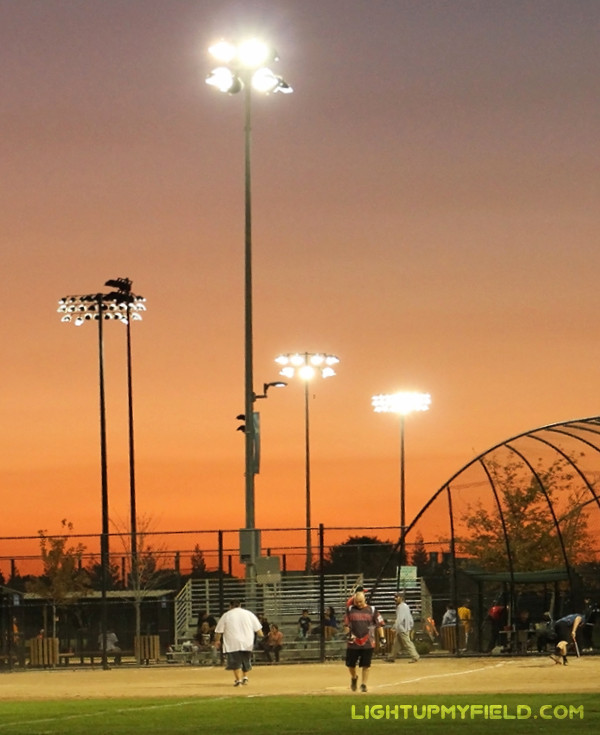 Even the toughest lighting systems don’t last forever. Over the years, the brightness and performance of field lights naturally fade. Traditional metal halide or high-pressure sodium fixtures—which have been the standard for decades—tend to lose about 30–40% of their brightness after just a few thousand hours of use. So while your lights might technically still “work,” the field probably isn’t as bright or evenly lit as it used to be.
If your lights have been up for 10 to 15 years, that’s usually the point where their performance drops noticeably. You might start to see dark patches around the outfield or a dim, yellowish tone spreading across the field. That not only makes the place look older but also affects visibility for players, umpires, and spectators. When lighting quality dips, it’s not just inconvenient—it directly impacts the playing experience and even safety.
Boosting Efficiency and Cutting Energy Costs
One of the biggest motivations for upgrading softball field lighting is energy efficiency. Older systems draw a ton of power to keep those massive bulbs burning. A single 1500-watt metal halide fixture, for example, can easily be replaced with an LED fixture using only 600 to 800 watts, while still producing equal or even brighter illumination. That’s a savings of around 50–60% on electricity costs—which adds up fast if your lights are running several nights a week during the season.
Think about it this way: if your field uses 20 lights at 1500 watts each and runs them for 20 hours per week, that’s about 600 kilowatt-hours weekly. Switching to LEDs could cut that down to roughly 250–300 kWh. Multiply that by the number of weeks in a season, and you’re saving hundreds—if not thousands—of dollars every year just on energy bills.
Besides saving money, this shift also helps reduce your facility’s carbon footprint, making it more eco-friendly. Many community fields and schools are moving toward LED lighting not only for the savings but also to meet energy efficiency standards and environmental goals.
Lower Maintenance, Fewer Headaches
Let’s be real—changing light bulbs on 60-foot poles is not fun, and it’s definitely not cheap. Traditional lighting systems need frequent maintenance, including bulb and ballast replacements. Every time a bulb burns out, you might have to rent a lift, bring in electricians, and potentially shut down the field for a day or two.
With LEDs, that hassle drops dramatically. LED lights can last over 50,000 hours, which equals around 10 to 12 years of steady use if your field is lit for 4–5 hours a night during the season. That means way fewer service calls, fewer disruptions to games, and lower long-term costs. In many cases, the reduced maintenance alone can save facilities up to $2,000–$4,000 per year, depending on how many fixtures they have.
Improving Player Safety and Game Quality
Lighting plays a huge role in both player performance and spectator experience. Poor lighting doesn’t just make the game harder to follow—it can be dangerous. When visibility drops, players struggle to track fly balls, line drives, or fast throws, which raises the risk of injuries. Even a slight difference in lighting levels between the infield and outfield can throw off depth perception and reaction times.
A well-lit field provides consistent brightness across every zone, from home plate to the farthest corner of left field. It allows players to react faster, umpires to make more accurate calls, and fans to enjoy the action without straining their eyes. LEDs also produce a much whiter and cleaner light, closer to daylight, which makes the colors of uniforms, bases, and the ball pop. That’s especially helpful for night games and televised events, where clarity really matters.
There’s also the comfort factor. Metal halide lights can take 10–15 minutes to warm up or restart after a power outage, which can be frustrating during a game delay. LEDs turn on instantly, so you never have to wait for them to reach full brightness.
Adapting to Modern Standards and Technology
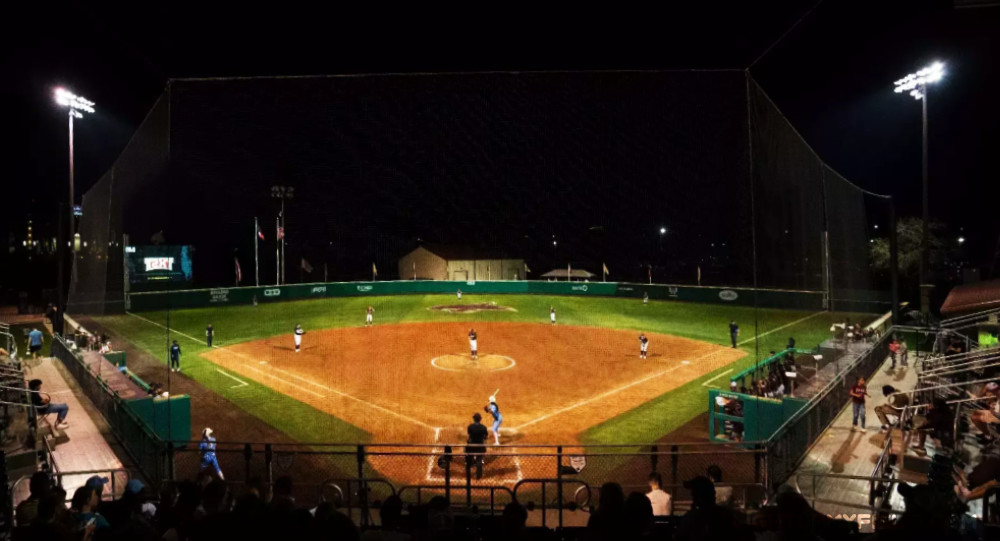
Softball lighting standards have changed over the years. Where older setups might have been fine decades ago, today’s illumination standards for competitive play demand higher, more uniform lighting levels—usually around 50 foot-candles for recreational fields and 75 or more for professional or televised games. Many older systems just can’t reach that level consistently anymore.
New LED systems are designed to meet these modern standards with precise beam control that minimizes glare and light spill, focusing illumination exactly where it’s needed. This means less wasted light shining into nearby neighborhoods and better visibility on the field itself.
Upgrading also opens the door to smart lighting controls, which let you adjust brightness, schedule automatic shutoffs, or even monitor system performance remotely. These features not only save energy but also make managing your facility a lot simpler.
A Better Experience for Everyone
At the end of the day, replacing your softball field lights isn’t just about having brighter bulbs—it’s about improving the overall game-day experience. Players get a safer, more comfortable environment, spectators enjoy clearer views, and facility managers get fewer headaches from maintenance and high energy bills.
When you think about how much time your lights are used each season and how much they contribute to the quality of play, upgrading isn’t just a luxury—it’s a smart move that pays off in multiple ways. Whether it’s a small community diamond or a big tournament field, the right lighting makes every inning look and feel better.
Signs It’s Time to Upgrade or Replace the Lights
Uneven or Dimming Illumination
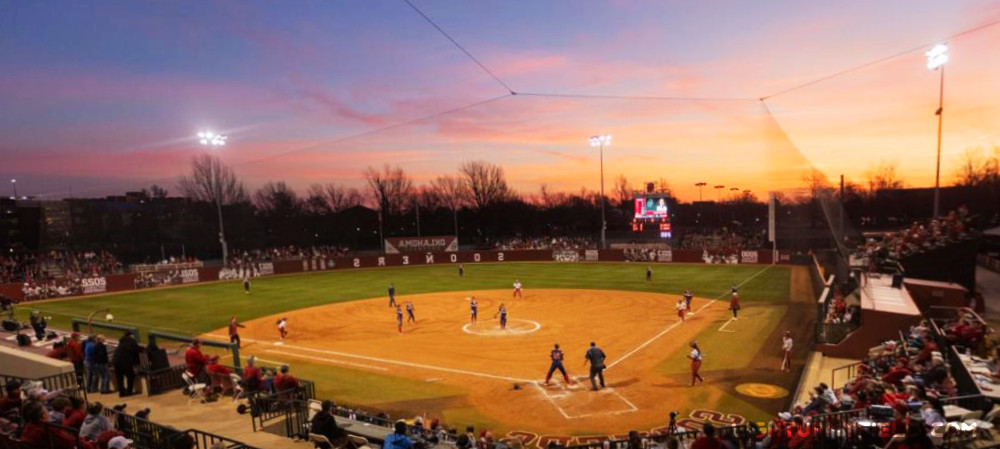
You don’t have to wait until a light bulb burns out completely to know your field needs attention. One of the first things to watch for is uneven lighting across the field. If the infield is bright but the outfield looks shadowy, or if players keep pointing out dark spots near the bases, that’s a pretty clear signal. Uneven illumination doesn’t just make the game harder to play—it can affect safety, accuracy, and even how fans experience the game. A properly lit field should provide consistent visibility from home plate to the farthest fence, no matter where you stand.
Frequent Maintenance Problems
Another strong hint is constant maintenance issues. If you’re replacing bulbs, ballasts, or fuses multiple times per season, your system is probably nearing the end of its useful life. Sure, one or two repairs here and there are normal, but if it’s becoming a regular chore, the costs—both time and money—start to add up. Many older metal halide and high-pressure sodium setups require a lot more upkeep compared to modern LED systems, which can run tens of thousands of hours before needing attention.
Faded or Off-Color Light
The color of the light itself is also a good indicator. Older metal halide bulbs tend to fade over time, producing a yellowish or dull tint. This can make the field look washed out and reduce visibility for fast-moving balls. Modern LED fixtures, on the other hand, emit a clean white light that closely resembles natural daylight. If your field looks dim, yellowish, or the colors of uniforms and balls seem off, it might be time to consider an upgrade to get that crisp, bright light back.
Slow Warm-Up or Restart Times
Traditional field lights aren’t just less bright—they’re slower. Metal halide bulbs often take 10–15 minutes to reach full brightness and cannot be restarted immediately if turned off. That can be frustrating if you have game delays or need to turn lights on and off between practices. LEDs solve this issue by turning on instantly at full brightness, giving your field consistent lighting without the wait.
Rising Energy Costs
Energy efficiency is another big clue. If your electricity bills have been creeping up even though your usage hasn’t changed, your lights may be losing efficiency. Older systems not only consume more energy but also produce less light per watt. Switching to LEDs can often cut your energy costs by 40–60%, especially if your lights run several hours per night throughout the season. Over a year, that could mean hundreds or even thousands of dollars saved, making an upgrade a smart financial move as well as a performance improvement.
Cost Involved in Upgrading the Lights
Upfront Investment for Field Lighting
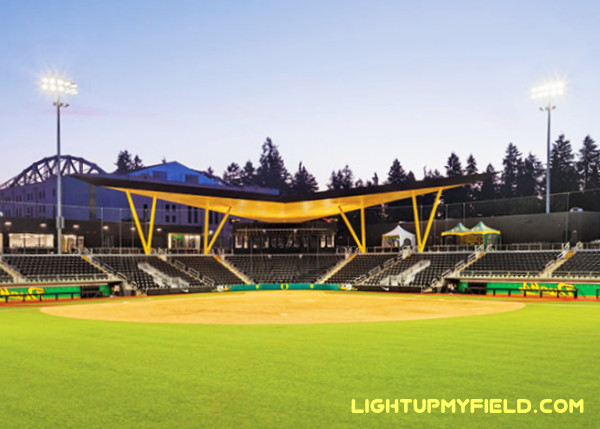 Upgrading a softball field lighting system can feel like a big expense, but it’s a long-term investment that pays off over time. The total cost depends on several factors, including the size of the field, the number of poles and fixtures, whether it’s a full replacement or a retrofit, and the quality of the lighting fixtures.
For a standard community or recreational softball field, installing a brand-new LED lighting system typically ranges from $30,000 to $120,000. Retrofitting existing poles and wiring usually costs less since you’re not starting from scratch. High-end or professional-level fields with multiple towers and advanced optics can push costs toward the higher end of that range, but they provide more uniform coverage and higher-quality lighting for competitive play.
Energy Savings Add Up Quickly
One of the biggest perks of switching to LEDs is that savings start immediately. LED fixtures consume far less power than older metal halide or high-pressure sodium bulbs, meaning electricity bills can drop by 40–70% depending on usage and setup.
For instance, a field that used to consume around 600 kWh per week might only use 250–300 kWh after switching to LEDs. Over a full season, this can save hundreds or even thousands of dollars, and over several years, these energy savings alone can significantly offset the initial installation costs. Beyond dollars, using less power also makes your field more environmentally friendly, which is a nice bonus.
Reduced Maintenance Costs
Maintenance costs are another major factor that makes LED upgrades worthwhile. Traditional bulbs generally need replacement every 1–2 seasons, and each replacement requires lifts, labor, and potential downtime for games or practices.
LED fixtures, in contrast, can last 10–15 years, dramatically reducing maintenance needs. Many facilities report saving $2,000–$4,000 per year on maintenance alone after switching to LEDs. Less frequent bulb changes mean fewer service calls, less disruption to the schedule, and more time for actual field use.
Rebates and Incentives
In addition to energy and maintenance savings, some organizations can qualify for rebates or tax incentives when upgrading to energy-efficient lighting. Depending on your local energy provider, these incentives can cover 10–30% of the total upgrade cost, making the initial investment much easier to manage and speeding up the overall return on investment.
Payback Period and Long-Term Value
When you combine lower electricity bills, reduced maintenance, and available rebates, the payback period for an LED lighting upgrade typically falls between 3 to 6 years. After that, your facility essentially enjoys free energy-efficient lighting, with the ongoing savings contributing directly to your operating budget or other field improvements.
Investing in an LED lighting upgrade isn’t just about brighter lights—it’s about long-term cost savings, reduced maintenance hassles, and a better experience for players and fans. Over time, the upfront expense turns into a valuable upgrade that benefits both your facility and everyone who uses it.
| Item | Range / Value |
|---|---|
| LED Lighting System Cost | $30,000 – $120,000 |
| Energy Savings | 40% – 70% |
| Weekly Energy Use Before LEDs | 600 kWh |
| Weekly Energy Use After LEDs | 250 – 300 kWh |
| LED Lifespan | 10 – 15 years |
| Maintenance Savings | $2,000 – $4,000 per year |
| Rebates / Incentives | 10% – 30% of cost |
| Payback Period | 3 – 6 years |
Tips for a Successful Upgrade of Softball Field Lighting
Start With a Professional Assessment
Before diving into a lighting upgrade, it’s smart to get a professional assessment of your current setup. A lighting expert can check everything from pole height and spacing to wiring conditions, and even measure current light output across the field. These evaluations help ensure that your new system will provide consistent coverage, which is key for player safety and game quality.
For recreational softball fields, the recommended lighting levels are usually around 50–75 foot-candles, while competitive or tournament fields may require up to 100 foot-candles for infield areas. Without a proper assessment, you risk either under-lighting the field, which creates dark spots and shadows, or over-lighting, which wastes energy and can cause glare for players and neighbors.
Choose High-Quality Fixtures
Not all LEDs are created equal. When picking fixtures, look for ones specifically designed for sports fields. Features like heat management, weather resistance, and durable housing ensure the lights can handle heavy rain, wind, and temperature swings without losing brightness or lifespan.
It’s also worth paying attention to beam angle and optics. A good sports lighting fixture should focus light where it’s needed—on the field—without spilling too much into surrounding areas. Modern fixtures can maintain uniform illumination within ±10% variance, meaning players won’t be squinting at shadows or suddenly bright spots during games.
Plan Your Installation Timing
Timing is another important factor. Try to schedule your installation during the off-season or a league break so you don’t disrupt games or practices. A well-prepared contractor can sometimes complete a full field upgrade in 3–5 days, assuming poles and wiring are in good condition. Planning ahead can also save on costs, because emergency installations or last-minute work can drive up labor charges.
Use Smart Controls for Efficiency
Modern softball field lighting isn’t just about brightness—it’s also about control and flexibility. Many LED systems can be paired with digital or smart controls, allowing you to adjust brightness levels for different uses, set timers, or even turn lights on and off remotely. This can cut energy use by up to 20% compared to running all lights at full power unnecessarily.
Smart controls also let facility managers customize lighting for different types of events. For example, a weekend recreational game might only need 50 foot-candles, whereas a tournament or night practice may require 75–100 foot-candles. Adjusting lighting this way maximizes efficiency and reduces wear on the fixtures.
Ensure Compliance With Standards
Don’t overlook local regulations and industry standards for sports field lighting. Your installation should avoid glare, minimize light spill into neighboring areas, and meet recommended illumination levels. Many modern LED systems come with advanced optics and shielding, ensuring that light is directed exactly where it’s needed. This not only improves gameplay but also keeps your facility in good standing with local ordinances.
Think About Longevity and Warranty
When upgrading, always consider long-term reliability. Stick with reputable manufacturers who provide solid warranties—often 5–10 years—and proven customer support. A strong warranty protects your investment, giving peace of mind that your field won’t suddenly be left in the dark due to fixture failure.
High-quality systems are designed to maintain brightness for 50,000–60,000 hours, which is roughly 10–12 years of regular seasonal use. Investing in durability upfront reduces headaches later, from fewer maintenance calls to less downtime during peak playing times.
Consider the Overall Field Experience
Finally, remember that lighting affects more than just visibility. Properly upgraded field lights enhance player performance, safety, and fan experience. Bright, evenly distributed light reduces shadows that can obscure fast-moving balls, helps umpires make accurate calls, and makes the game more enjoyable for spectators.
By taking a strategic approach—starting with a professional assessment, choosing high-quality fixtures, planning installation timing, using smart controls, ensuring compliance, and prioritizing long-term reliability—you can transform your softball field into a safer, brighter, and more energy-efficient space that players and fans alike will love.
If done right, the investment doesn’t just pay off financially—it improves the quality of play, reduces maintenance headaches, and gives your field a modern, professional-level feel that lasts for years.
A Bright Future for Your Field
Upgrading or replacing your softball field lights isn’t something you do every year, so it’s worth doing it right when the time comes. Whether your goal is to cut energy costs, enhance visibility, or reduce maintenance headaches, modern LED lighting delivers real, measurable benefits.
When you invest in better lighting, you’re not just replacing old fixtures—you’re enhancing the whole playing experience, extending your field’s usability, and creating a more enjoyable atmosphere for everyone involved. So if your lights have been flickering, fading, or driving up your bills, maybe it’s time to shine a little brighter and make the upgrade your field truly deserves.