
Lighting a horse arena is not just about making the space brighter after sunset. For riders, trainers, and horses, good lighting creates a safer and more comfortable environment for evening training, lessons, and daily riding routines. As more equestrian properties look for ways to reduce electricity costs and simplify installation, solar horse arena lighting has become a popular option for private owners, riding schools, and professional facilities.
One of the most common questions people ask before investing in solar-powered arena lights is: how long will they actually last? The answer depends on several factors, including the quality of the equipment, weather conditions, usage habits, and maintenance. A well-designed solar horse arena lighting system can often provide reliable performance for 10 to 25 years, with different components lasting for different lengths of time.
Understanding the lifespan of solar lighting can help horse owners make smarter decisions when planning their arena setup and budgeting for future maintenance.
How Long Does Solar Horse Arena Lighting Usually Last?
A solar horse arena lighting system is made up of several parts, including LED light fixtures, solar panels, batteries, controllers, and mounting equipment. Each component has its own expected service life.
The lighting fixture itself is usually powered by LED technology, which has become the standard choice for modern equestrian facilities. High-quality LED lights can often operate for 50,000 to 100,000 hours before their brightness starts to decline. For an arena used a few hours each evening, this can translate into more than 10 years of dependable lighting.
The solar panels typically have one of the longest lifespans in the system. Most good-quality solar panels can continue producing energy for 20 to 30 years, although their efficiency slowly decreases over time. After two or three decades, they may still work, but they may not produce the same amount of power as when they were new.
The battery is usually the component that needs attention first. Since batteries store the energy needed for nighttime riding, they experience repeated charging and discharging cycles. Depending on the battery type and local climate, a solar lighting battery may last around 3 to 8 years before replacement is needed.
For horse owners, this means the entire system does not need to be replaced when the battery reaches the end of its life. In many cases, replacing individual components allows the lighting system to continue operating for many more years.
Understanding the Lifespan of Each Solar Lighting Component
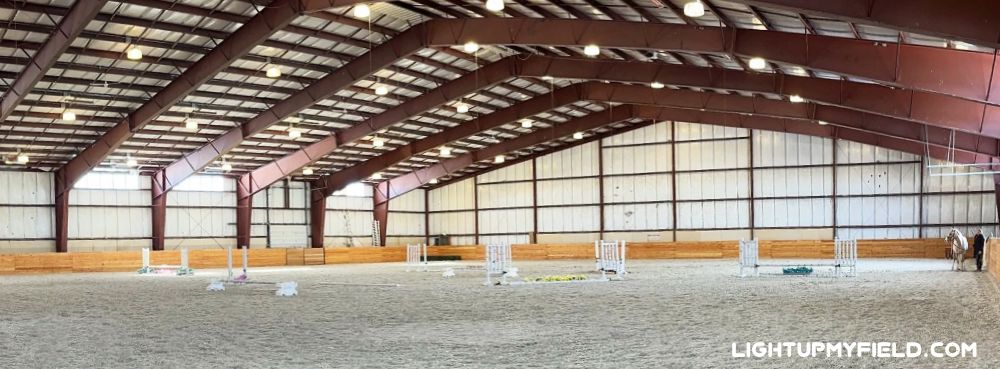
A solar horse arena lighting system is not just a single piece of equipment. It works as a complete setup where each component plays a role in delivering reliable lighting after sunset. The LED fixtures provide visibility, the solar panels collect energy during the day, and the batteries store that energy for nighttime use. The lifespan of the entire system depends on how well these parts work together.
For horse owners and equestrian facility managers, understanding the expected lifespan of each component can make planning maintenance easier and help avoid unexpected interruptions during riding sessions.
| Component | Average Lifespan | Main Function |
|---|---|---|
| LED Lights | 10–15+ years | Provides arena lighting |
| Solar Panels | 20–30 years | Collects solar energy |
| Solar Batteries | 3–8 years | Stores energy for nighttime use |
| LED Rated Hours | 50,000–100,000 hours | Long-term light performance |
| Solar Panel Efficiency Loss | About 0.5% per year | Gradual energy reduction |
LED Lights – Long-Term Brightness for Horse Arenas
LED lighting has changed the way many equestrian facilities approach arena lighting. Compared with older lighting technologies, LED lights use significantly less energy, provide more consistent brightness, and can operate for many years with minimal maintenance.
For horse arenas, LED durability is especially valuable because riding schedules often extend beyond daylight hours. A private horse owner may use arena lights for 2 to 4 hours several evenings per week, while a busy training facility may operate lighting for 5 to 8 hours every day. Even under regular use, high-quality LED fixtures are often rated for 50,000 to 100,000 hours of operation.
To put that into perspective, if an arena light operates for around 5 hours per day, a 50,000-hour LED fixture could theoretically last more than 27 years of usage. In real outdoor conditions, factors such as weather exposure, heat, dust, and electronic components usually reduce that lifespan, but many quality LED systems can still provide reliable performance for 10 to 15 years or longer.
However, lifespan is not only about the number of hours a light can run. The environment around a horse arena also affects performance. Outdoor lighting systems must handle rain, dust, humidity, temperature changes, strong sunlight, and wind exposure throughout the year. An arena located on an open farm may experience very different conditions compared with one installed near a protected barn area.
Choosing LED fixtures designed specifically for outdoor applications can help maintain brightness and reduce maintenance needs. Features such as weather-resistant housing, heat management systems, and durable materials allow the lights to perform more consistently over time.
Another factor to consider is lighting quality. A horse arena needs more than just a powerful light source. Even and comfortable illumination helps riders see the riding surface clearly and reduces areas of harsh contrast or unwanted shadows. Uneven lighting can make it harder for riders to judge distances and may create an uncomfortable environment for both horses and humans.
A well-designed solar horse arena lighting system focuses on delivering steady brightness throughout the riding area rather than simply producing maximum light output for a short period. Proper light distribution helps create a more comfortable training space and supports safer riding conditions.
Solar Panels – The Energy Source Behind the System
Solar panels are the foundation of a solar-powered horse arena lighting system. Their job is simple but extremely important: they collect sunlight during the day and convert it into electrical energy that can be stored and used after dark.
Most quality solar panels used for outdoor lighting systems are designed for long-term outdoor exposure. They are built to withstand rain, sunlight, wind, and seasonal temperature changes. In general, solar panels can continue operating for 20 to 30 years, although their energy production gradually decreases over time.
Solar panel efficiency typically declines by around 0.5% per year, meaning a panel may still produce approximately 85% to 90% of its original output after 20 to 25 years, depending on the panel quality and environmental conditions.
For horse properties, solar panel placement can have a major impact on long-term performance. Panels installed in areas with strong sunlight throughout the day will collect more energy and provide better support for evening lighting. On the other hand, nearby trees, barns, fences, or other structures that create shade can reduce charging ability.
For example, a solar panel that receives 8 hours of direct sunlight may store much more energy than one that receives only 3 or 4 hours because of nearby shade. Over time, this difference can affect how long arena lights remain bright during nighttime riding sessions.
Regular maintenance is relatively simple but can improve performance. Dust, mud, leaves, bird residue, and other debris can block sunlight from reaching the panel surface. Cleaning the panels a few times per year can help maintain energy collection efficiency, especially for properties located in dusty rural areas or regions with frequent agricultural activity.
For horse owners planning a solar lighting installation, panel positioning should be considered during the early design stage. A properly positioned solar array can support stronger battery charging, longer nighttime operation, and more consistent lighting throughout the year.
Solar Batteries – The Component That Needs the Most Attention
The battery is where solar energy is stored, making it one of the most important parts of the entire solar arena lighting system. During the day, solar panels collect energy and charge the battery. After sunset, the stored power is released to operate the LED lights.
Unlike solar panels and LED fixtures, batteries experience more frequent wear because they go through repeated charging and discharging cycles. Every evening when the arena lights turn on, the battery uses stored energy. The following day, the solar panels recharge it again.
Depending on the battery type, usage pattern, and climate conditions, solar lighting batteries usually last around 3 to 8 years. Some high-quality lithium battery systems may achieve longer lifespans, especially when they are installed in suitable environments and properly managed.
Temperature is one of the biggest factors affecting battery performance. Extremely hot conditions can speed up battery aging, while freezing temperatures can temporarily reduce charging efficiency and available power. For horse properties located in areas with harsh summers or cold winters, selecting the right battery technology can make a noticeable difference.
Modern lithium batteries are becoming increasingly popular for solar horse arena lighting because they generally offer longer service life, faster charging, and better energy efficiency compared with traditional battery types. Although the upfront cost may be higher, a longer-lasting battery can reduce the frequency of replacements and improve system reliability over time.
Battery size also matters. A small battery may struggle to provide enough energy for long evening riding sessions, especially during cloudy periods or shorter winter days. A properly sized battery allows the system to store enough power to meet the arena’s lighting needs.
Horse owners should pay attention to early signs that a battery may be wearing out. Common indicators include shorter lighting duration, reduced brightness, slower charging, or lights turning off earlier than expected. In many cases, replacing the battery can restore the system’s performance without requiring a full replacement of the solar lighting setup.
With proper equipment selection and routine care, the battery can remain a manageable maintenance item rather than a major problem. Planning for battery replacement every few years allows horse facilities to keep their solar arena lighting operating smoothly while protecting their long-term investment.
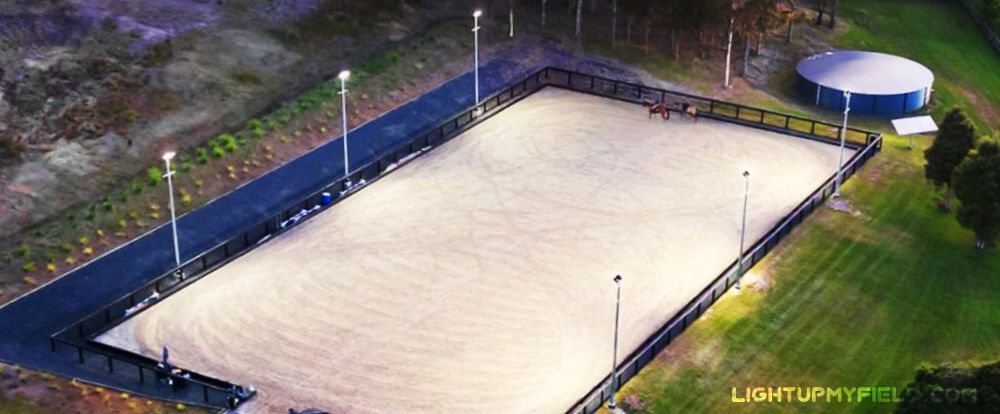
What Factors Affect the Lifespan of Solar Horse Arena Lighting?
The Quality of the Equipment
Not all solar lighting systems are built the same. A small garden solar light and a professional solar horse arena lighting system may both use solar energy, but their designs are completely different.
Horse arenas require stronger lighting output, larger energy storage, and more durable outdoor construction. A system designed specifically for equestrian use should consider factors such as arena size, riding activities, and expected operating hours.
Choosing commercial-grade equipment can make a noticeable difference in long-term performance. Lower-cost systems may appear attractive at first, but frequent repairs, weak batteries, or insufficient lighting output can create frustration later.
Local Weather and Climate Conditions
The environment around a horse property plays a major role in how long solar lighting lasts.
Properties located in areas with strong sunlight may benefit from excellent solar charging conditions. However, extremely hot climates can place additional stress on batteries and electrical components.
Cold regions create different challenges. Short winter days, snow coverage, and freezing temperatures can reduce charging efficiency. A properly sized system with suitable battery storage can help maintain reliable performance during darker months.
Coastal locations may also require extra attention because salt air and humidity can affect metal components over time. Weather-resistant materials and protective coatings can help reduce corrosion.
How Often the Arena Is Used
A private horse owner who rides a few evenings each week will place less demand on the system compared with a busy equestrian center running lessons every day.
Usage patterns affect battery cycles, energy requirements, and overall wear. Before installing solar arena lighting, owners should consider how many hours of lighting they need each night and how frequently the arena will be used.
A system designed for occasional riding may not perform well in a professional training environment. On the other hand, installing a much larger system than necessary may increase costs without providing extra benefits.
A properly matched system helps balance performance, lifespan, and investment.
How to Extend the Life of Solar Horse Arena Lighting
Although solar horse arena lighting systems are designed to handle outdoor conditions, regular care and simple maintenance habits can help improve performance and extend the lifespan of the equipment. A well-maintained system can provide more consistent lighting, reduce unexpected repairs, and help horse owners get more value from their investment.
Unlike traditional electrical lighting systems that rely heavily on grid connections, solar lighting systems depend on several components working together. The solar panels need to collect enough energy, the batteries need to store that energy efficiently, and the LED fixtures need to deliver stable brightness when riders need them. Taking care of each part helps the entire system perform better over the years.
Keep Solar Panels Clean for Better Energy Collection
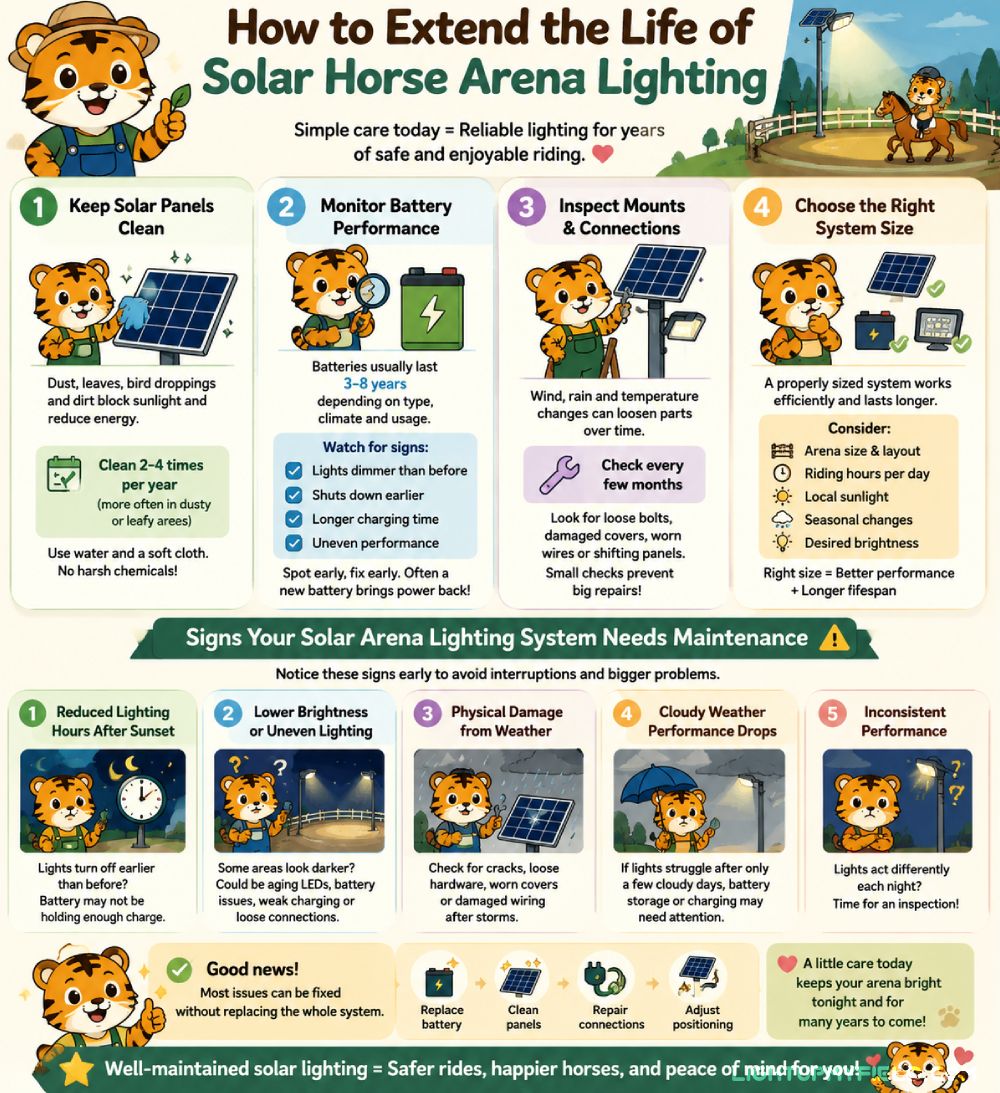
One of the easiest ways to maintain a solar horse arena lighting system is keeping the solar panels clean. Since the panels rely on sunlight, anything that blocks their surface can reduce energy production.
Dust from nearby farm roads, dirt from agricultural activities, leaves, pollen, bird droppings, and other outdoor debris can gradually build up on solar panels. Even a thin layer of dirt can reduce the amount of sunlight reaching the photovoltaic cells.
For most horse properties, checking and cleaning solar panels 2 to 4 times per year is usually a good maintenance routine. Properties located in dry, dusty areas or places surrounded by trees may need more frequent cleaning.
Cleaning does not require complicated equipment. In many cases, gently rinsing the panels with water and using a soft cloth or sponge is enough. Avoid using harsh chemicals or abrasive materials that could damage the protective surface.
Keeping panels clean helps the system collect more energy during the day, which means the batteries have more power available for evening riding sessions.
Monitor Battery Performance Regularly
The battery is often the first component that shows signs of aging in a solar arena lighting system. Since batteries are constantly charging during the day and releasing energy at night, they naturally experience wear over time.
A typical solar lighting battery may last around 3 to 8 years, depending on the battery type, climate, and how frequently the lights are used. Regular monitoring can help identify problems before they affect daily riding schedules.
If the arena lights that normally stay on for 8 hours only last for 4 or 5 hours, the battery may not be storing energy as efficiently as before. Other signs of battery issues include:
- Lights becoming noticeably dimmer
- The system shutting down earlier than expected
- Longer charging times after cloudy weather
- Uneven lighting performance from night to night
When these signs appear, the problem may not be with the LED lights themselves. In many cases, replacing the battery can restore the system’s original performance without replacing the entire lighting setup.
For horse facilities that depend on consistent evening lighting, keeping track of battery performance can prevent unexpected interruptions during lessons, training sessions, or personal riding time.
Inspect Mounting Structures and Connections
Solar horse arena lighting is exposed to outdoor conditions throughout the year. Wind, storms, rain, and temperature changes can gradually affect mounting structures, brackets, and electrical connections.
A quick inspection every few months can help identify small issues before they become larger repairs. Owners should look for signs such as loose bolts, movement in mounting poles, damaged protective covers, or visible wear around connection points.
For example, a solar panel that shifts slightly after repeated strong winds may no longer receive optimal sunlight. Similarly, loose connections may reduce energy transfer between components and affect lighting performance.
Since horse arenas are often located in open areas with limited protection from weather, checking the physical condition of the system is a simple way to support long-term reliability.
Choose the Right System Size from the Beginning
One of the biggest factors affecting solar lighting lifespan happens before installation even begins: selecting the right system size.
A solar horse arena lighting system that is too small for the arena may struggle to meet energy demands. When the battery does not have enough storage capacity, it may experience deeper discharge cycles, which can shorten battery life.
For example, a small private arena used for occasional evening riding may only require a moderate lighting system. However, a professional training arena operating several hours every night will need stronger LED output, larger solar panels, and greater battery capacity.
The right system design should consider:
- Arena size and layout
- Number of riding hours per day
- Local sunlight conditions
- Seasonal changes
- Desired lighting brightness
A properly sized solar lighting system does not need to work harder than necessary, which can help improve efficiency and extend the lifespan of the components.
Signs Your Solar Arena Lighting System Needs Maintenance
A solar horse arena lighting system usually gives warning signs before a major issue develops. Paying attention to small changes can help owners solve problems early and avoid unnecessary downtime.
A sudden decrease in brightness, shorter operating times, or inconsistent performance often indicates that one part of the system needs inspection.
Reduced Lighting Hours After Sunset
One of the most common signs of a problem is when the lights do not stay on as long as they used to.
For example, if the system previously provided 6 hours of evening lighting but now shuts down after only 2 or 3 hours, the battery may not be holding enough charge. This could happen because of normal battery aging, reduced solar charging, or dirty solar panels.
Checking the panels, battery condition, and charging performance can help identify the cause.
Lower Brightness or Uneven Lighting
A horse arena requires consistent visibility across the riding surface. If some areas appear darker than before or the overall brightness has decreased, the system may need attention.
Possible causes include:
- Aging LED components
- Battery performance issues
- Reduced solar charging
- Loose electrical connections
Addressing these problems early can help maintain a comfortable riding environment for both horses and riders.
Physical Damage from Weather Exposure
Outdoor solar lighting systems face years of exposure to changing weather conditions. Strong winds, heavy rain, snow, and extreme temperatures can gradually affect equipment.
During routine checks, owners should inspect:
-
- Solar panel surfaces
- Light fixture covers
- Support poles and brackets
- Wiring protection areas
Small repairs, such as tightening hardware or replacing damaged protective parts, can help prevent larger issues later.
Cloudy Weather Performance Changes
Solar lighting systems naturally perform differently during periods of limited sunlight. However, if the system struggles significantly after only a few cloudy days, it may indicate reduced battery storage capacity or insufficient solar charging.
A well-designed system should have enough energy storage to handle normal weather variations. If performance drops significantly, an inspection may help determine whether maintenance or component replacement is needed.
The good news is that most solar horse arena lighting issues can often be solved without replacing the entire system. Many problems come from individual components rather than the complete setup.
A simple battery replacement, solar panel cleaning, connection repair, or adjustment of the system positioning may restore normal operation.
By keeping up with basic maintenance and responding to early warning signs, horse owners can help their solar arena lighting system provide reliable performance for many years. A small amount of care can protect the equipment, reduce repair costs, and keep the arena ready for safe and comfortable riding whenever the sun goes down.
A Long-Term Investment for Modern Equestrian Facilities
Solar horse arena lighting can provide many years of dependable service when the system is properly selected, installed, and maintained. While LED fixtures and solar panels can last for decades, batteries and other components may need occasional replacement along the way.
For horse owners, the biggest advantage is the combination of flexibility, lower operating costs, and the ability to create a comfortable riding environment without complicated electrical work. With the right design, solar lighting can keep an arena ready for early morning training sessions, evening lessons, and daily riding activities for many years.
If you are considering solar horse arena lighting and would like help choosing the right system for your property, feel free to contact our team for professional consultation. We can help evaluate your arena size, lighting requirements, location conditions, and long-term goals to recommend a solution that fits your equestrian needs.