
Football field lighting involves more than simply illuminating the playing surface. A well-designed system should provide uniform brightness, minimize glare, support player performance, and ensure a comfortable viewing experience for spectators. It should also be energy-efficient, durable, and cost-effective to maintain.
For schools, sports clubs, municipalities, and stadium operators, choosing the right system requires considering several factors, including lux levels, LED floodlight selection, pole height, lighting layout, and installation costs. Requirements can vary significantly between local training grounds and professional stadiums.
Whether installing a new football field lighting system or upgrading an existing stadium, understanding these key considerations will help you make informed decisions about performance, costs, and long-term reliability.
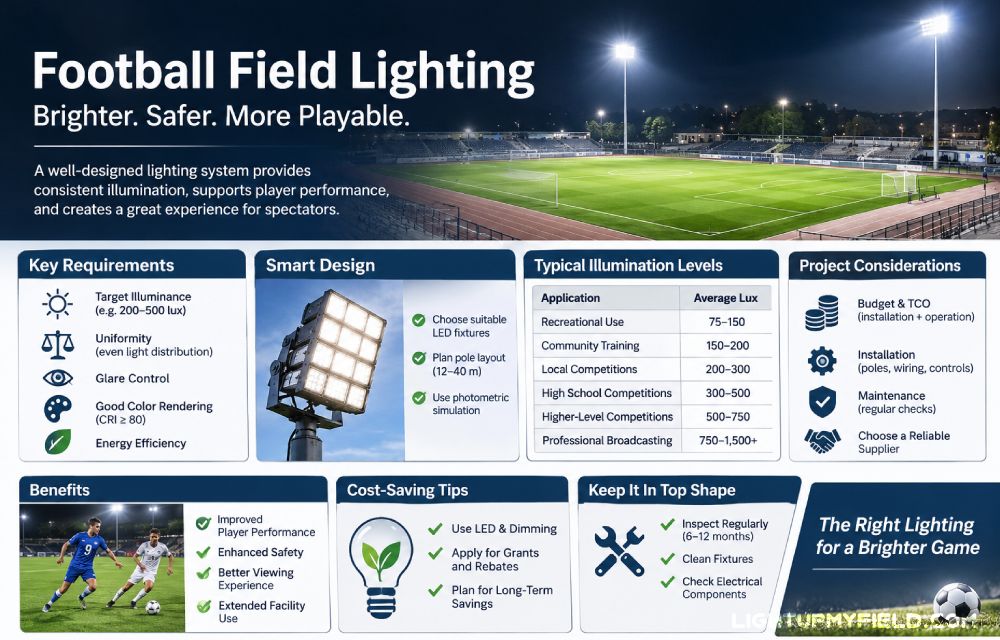
Football field lighting refers to the complete lighting system designed to illuminate an indoor or outdoor football playing surface. A typical installation includes LED floodlights, lighting poles or roof-mounted structures, electrical distribution equipment, control systems, and other supporting infrastructure. Each component plays a role in delivering consistent illumination and ensuring the facility can operate safely and reliably after daylight hours.
The main purpose of football field lighting is to provide enough visibility for players to follow the ball, recognize teammates and opponents, and see field markings clearly. However, achieving good lighting involves more than simply installing powerful floodlights. A field may look bright from the stands while still having poorly illuminated areas near the sidelines or goal areas. Players may also experience uncomfortable glare when looking toward elevated fixtures, even when the overall brightness appears sufficient.
For these reasons, professional sports lighting is designed around measurable performance rather than visual brightness alone. Factors such as illuminance, uniformity, glare, color quality, and light distribution all need to be considered when planning a reliable system.
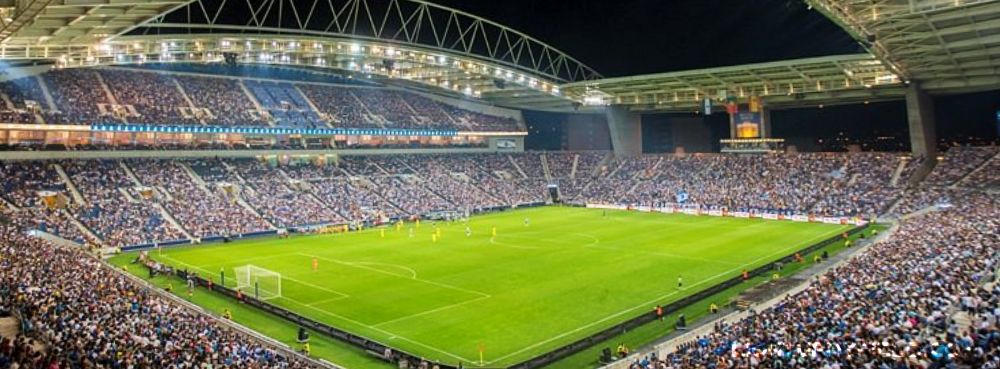
A football field covers a large playing area, and natural daylight is not always available when matches or training sessions take place. Evening games, winter training, school competitions, and televised events all depend on artificial lighting that can provide consistent performance throughout the scheduled activity. Stadium floodlighting allows facilities to remain usable after sunset while supporting different levels of play.
A properly designed system distributes light across the playing surface so athletes can follow the ball and react to movement without constantly adjusting to changes in brightness. Consistent illumination also helps referees make decisions and allows spectators to follow the action from different seating positions. When the light distribution is uneven, players and officials may find it harder to judge movement in darker areas of the field.
Facilities used for video recording or television broadcasting have additional requirements. Cameras need suitable vertical illumination, stable light output, and controlled flicker to capture clear footage. A system that looks perfectly acceptable to spectators may still produce poor broadcast results if it has not been designed around camera positions and recording requirements.
Good lighting supports visibility throughout a football match or training session. Players need to judge the speed and direction of the ball, recognize other players’ movements, and respond quickly during passing, tackling, and shooting. When the playing surface is illuminated consistently, athletes can focus more comfortably on the game rather than adjusting to changing light conditions.
Uneven illumination can make these tasks more difficult, particularly when players move between brightly lit and darker areas. For example, a well-lit central area surrounded by dim corners creates noticeable changes in visual conditions as athletes move around the field. Poorly controlled glare can also interfere with visibility when players look toward overhead fixtures or follow a high ball.
Uniformity is therefore just as relevant as average brightness. A field with an average illumination level of 300 lux and reasonably consistent light distribution may provide a better playing environment than one with an average of 400 lux but substantial differences between bright and dark areas. The goal is to create a balanced lighting environment that supports visibility across the entire playing surface.
Lighting design also affects spectators, officials, security personnel, and maintenance workers. A well-planned system makes the entire facility more practical to use after sunset, not just the football field itself. Depending on the site, the design may also need to consider entrances, walkways, seating areas, and surrounding access routes.
The terms football field lighting and football stadium lighting are sometimes used interchangeably, although they can describe projects with different scopes and requirements. Football field lighting generally focuses on illuminating the playing area, while stadium lighting may cover a much larger part of the facility.
A community football field, for example, might use four or six lighting poles positioned around the perimeter, with several LED floodlights installed on each pole. The main objective is usually to provide suitable illumination for evening recreation, training, and local competitions without creating unnecessary installation or operating costs.
Football stadium lighting can involve a more extensive system. In addition to the playing surface, it may include spectator stands, concourses, access roads, parking areas, emergency lighting, and architectural illumination. A professional stadium may also require broadcast-grade lighting, sophisticated control systems, backup power arrangements, and strict spill-light management.
| Facility type | Typical lighting objective | Design considerations |
|---|---|---|
| Community field | Evening recreation and training | Affordable installation and operating costs |
| School field | Training and school competitions | Uniformity, durability, and easy controls |
| College stadium | Competitive matches | Higher illumination and glare control |
| Professional stadium | Elite competition and broadcasting | Vertical illuminance, flicker, and camera performance |
| Indoor football facility | Consistent year-round play | Ceiling height, glare, and reflection control |
There are several signs that an existing football field may benefit from a lighting upgrade. One common indication is declining light output, particularly in facilities that still use older metal halide fixtures. These lamps gradually lose performance over time, and their output can become less consistent as the equipment ages.
High electricity bills are another reason to consider replacing an older system. Traditional metal halide installations often consume substantially more electricity than a suitably designed LED alternative providing comparable lighting performance. An LED upgrade can help reduce energy consumption, especially at facilities with frequent evening matches and training sessions.
Maintenance requirements can also become increasingly difficult to manage. If lamps, ballasts, capacitors, and other components need frequent replacement, the long-term maintenance budget may become unpredictable. LED systems can reduce some of these recurring maintenance demands, although their actual service life depends on product quality, operating conditions, thermal management, and installation quality.
Some facilities upgrade their lighting because their usage requirements have changed. A school that originally used its field only for recreational training may now host competitive matches, while a municipal stadium might begin recording games or organizing higher-level tournaments. In either situation, the original lighting design may no longer deliver the performance required for the facility’s current activities.
An LED retrofit can address many of these issues, but the existing infrastructure should be assessed before replacement fixtures are purchased. Lighting poles, foundations, wiring, electrical capacity, and control equipment all need to be checked to determine whether they can safely support the upgraded system.
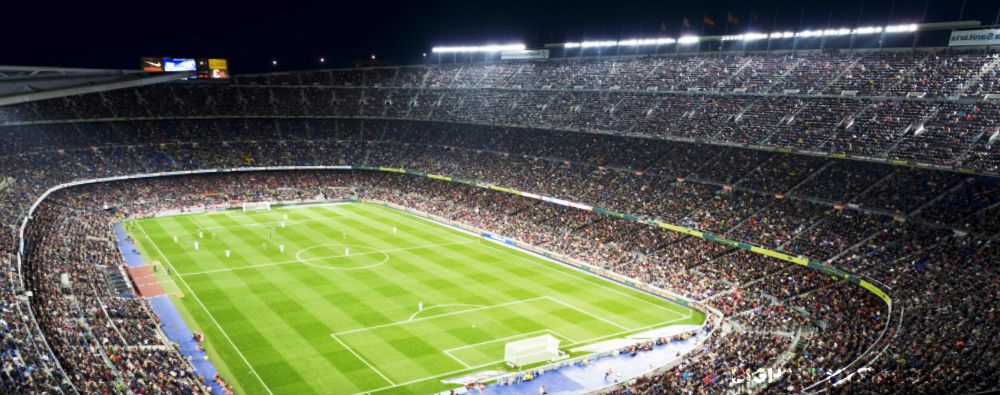
Football field lighting requirements depend on the level of competition, the type of facility, and the standards set by the relevant governing organization. A community training ground does not need the same illumination as a professional stadium used for high-definition television broadcasts. Selecting the right specification helps avoid both insufficient lighting and unnecessary spending on equipment that exceeds the facility’s actual needs.
The first step is to identify how the field will be used, including the types of matches, training sessions, and events it needs to support. From there, the designer can establish suitable illumination targets, uniformity levels, glare restrictions, and other performance requirements. These criteria should be agreed upon before selecting fixtures, pole positions, and electrical equipment.
Illuminance is measured in lux (lx), with one lux representing one lumen of light falling onto one square meter of surface. For football fields, horizontal illuminance is usually measured across the playing surface to evaluate how much light reaches the grass. The required level depends on the competition category, facility usage, and applicable lighting standard.
For early-stage planning, the following ranges can serve as indicative design targets. They are not universal compliance requirements, so the final specification should be checked against the applicable FIFA, EN 12193, national, league, or local standards.
| Football field application | Indicative average horizontal illuminance |
|---|---|
| Basic recreational use | 75–150 lux |
| Community training | 150–200 lux |
| Local competitive matches | 200–300 lux |
| High school competitions | 300–500 lux |
| Higher-level competitions | 500–750 lux |
| Professional and broadcast applications | 750–1,500+ lux |
These figures provide a starting point for project discussions, but they should not be treated as a universal specification. Some competition categories have requirements that differ from these ranges, while broadcast projects may need considerably more detailed lighting measurements. The correct target should always be confirmed against the standard and competition requirements that apply to the facility.
A school field used mainly for evening training might be planned around 150–200 lux, depending on the governing standard and site conditions. A stadium hosting regular competitive matches may need 300–500 lux or more, while a professional venue with broadcast requirements could require substantially higher illumination. These examples illustrate how the intended use affects the overall lighting specification.
Rather than choosing an arbitrary lux target and trying to fit the project around it, facility owners should begin with the activities the field needs to support. This approach helps ensure that the final system provides suitable performance without adding unnecessary fixture capacity or operating costs.
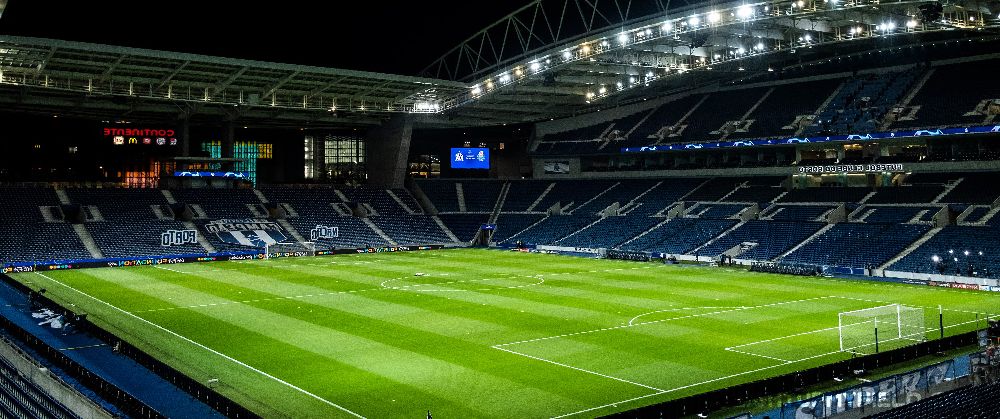
The required lux level depends on the playing category, but understanding how illuminance targets translate into lighting requirements can make early project planning easier. Consider a standard outdoor football field measuring approximately 105 m × 68 m, which gives a total playing surface area of 7,140 square meters.
Field area = 105 × 68 = 7,140 m²
If the target average horizontal illuminance is 300 lux, the theoretical luminous flux reaching the playing surface would be:
Required luminous flux on the field = 7,140 × 300 = 2,142,000 lumens
However, this does not mean that purchasing fixtures with a combined output of exactly 2.14 million lumens will produce the required lighting result. Some light will fall outside the playing area, while other light will be affected by mounting height, beam angle, fixture aiming, optical efficiency, and environmental conditions. The designer must account for these factors when determining the total installed fixture output.
For example, if a preliminary utilization factor of 0.60 is assumed, the estimated installed luminous flux would be:
Installed luminous flux = 2,142,000 ÷ 0.60 = 3,570,000 lumens
This calculation is useful for preliminary estimation, but it is not a substitute for a complete photometric design. A professional lighting simulation uses the actual fixture intensity distribution, aiming angles, mounting coordinates, maintenance factor, and calculation grid to predict how light will be distributed across the field.
The final fixture quantity and output should therefore be selected using project-specific calculations rather than relying only on the total field area. This helps prevent situations where a system has plenty of total lumen output but still produces poor uniformity or excessive glare.
Horizontal illuminance measures the amount of light falling onto a horizontal surface, such as the grass on a football field. It is commonly used to evaluate whether the playing surface receives sufficient illumination for players to see the ball, field markings, and surrounding activity. Measurements are generally taken at defined points across the playing area.
Vertical illuminance measures the amount of light falling onto a vertical plane. This measurement is particularly relevant when evaluating how clearly players, referees, and the ball can be seen from different directions. It provides information that horizontal measurements alone cannot fully describe.
Vertical illuminance becomes especially relevant for television and video recording because cameras capture players from specific viewing angles. A field may have adequate horizontal illumination while still providing insufficient light on players’ faces, jerseys, and bodies from the camera’s perspective. This can affect the appearance and consistency of recorded footage.
For broadcast projects, designers may therefore need to evaluate vertical illuminance at different camera positions and directions. Considering these measurements during the initial design stage helps avoid having to make expensive lighting adjustments after the system has been installed.
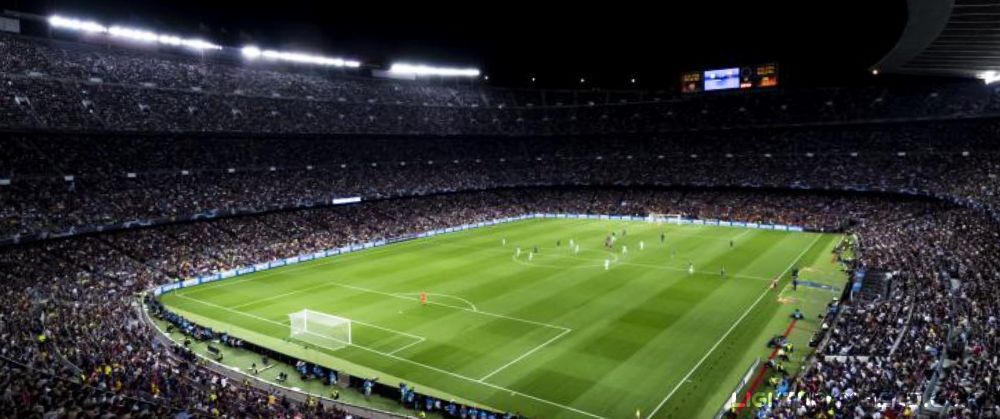
Uniformity describes how evenly light is distributed across the football playing surface. A field with strong average illumination can still have noticeable bright and dark areas if the fixtures are poorly positioned or aimed. Uniformity ratios help designers identify these differences and assess whether the lighting distribution is consistent enough for the intended activity.
Two commonly used measurements are U1 and U2. U1, also known as minimum-to-average uniformity, is calculated by dividing the minimum measured illuminance by the average illuminance across the measurement grid.
U1 = Minimum Illuminance (Emin) / Average Illuminance (Eavg)
U2, or minimum-to-maximum uniformity, is calculated by dividing the minimum illuminance by the maximum illuminance measured across the same area.
U2 = Minimum Illuminance (Emin) / Maximum Illuminance (Emax)
For example, imagine a football field with an average horizontal illuminance of 300 lux, a minimum of 210 lux, and a maximum of 390 lux. The U1 ratio would be calculated by dividing 210 by 300, giving a result of 0.70. The U2 ratio would be calculated by dividing 210 by 390, producing approximately 0.54.
U1 = 210 ÷ 300 = 0.70
U2 = 210 ÷ 390 = 0.54
Higher uniformity ratios generally indicate a more consistent light distribution, although the required values depend on the applicable lighting class and measurement method. Designers should always identify which ratio a specification refers to, since U1 and U2 measure uniformity differently and cannot be used interchangeably.
When reviewing a lighting proposal, facility owners should look beyond the average lux figure and check the minimum values and uniformity results as well. This provides a more realistic picture of how the field will look and perform during actual use.
Glare occurs when bright light sources cause visual discomfort or interfere with visibility. On a football field, this can happen when players look toward a floodlight while tracking a high ball. The problem is not necessarily that the fixture produces too much light. Poor positioning, unsuitable optics, excessive brightness from certain viewing angles, and incorrect aiming can all contribute.
Several design decisions can help control glare. Mounting height should be selected according to the field dimensions and lighting layout, as higher poles can allow light to reach the playing surface from more favorable angles. However, taller structures also introduce additional structural and installation costs, so the designer needs to balance the optical benefits against the overall project budget.
Fixture optics and aiming directions also matter. Well-designed sports floodlights can direct more light toward the target area while limiting unnecessary illumination outside the intended beam. The design should be reviewed from player, referee, and spectator viewpoints because a fixture that appears correctly positioned on a drawing may still cause uncomfortable glare from a particular part of the field.
Glare assessment should therefore form part of the photometric design rather than being left until after installation. Reviewing it early gives the designer more opportunities to adjust pole positions, mounting heights, beam angles, and fixture orientation.
Color temperature describes the visual appearance of white light and is measured in Kelvin (K). For outdoor football fields, 4000K and 5000K are common choices, although the most suitable option depends on the facility’s application and visual requirements.
A 4000K light has a neutral white appearance and is often selected for community sports facilities, school grounds, and recreational fields. It provides comfortable general illumination without producing an especially warm or cool visual effect. A 5000K light appears cooler and slightly bluer, and may be considered for sports venues where a crisp white appearance is preferred, particularly when spectators and cameras need to distinguish players and field markings clearly.
| Color temperature | Appearance | Common application |
|---|---|---|
| 3000K | Warm white | Certain recreational or residential-adjacent applications |
| 4000K | Neutral white | School and community sports fields |
| 5000K | Cool white | Competitive fields and stadium lighting |
| 5700K–6500K | Very cool white | Specialized applications where this visual effect is desired |
A higher Kelvin rating does not automatically mean greater brightness. A 5000K fixture is not necessarily brighter than a 4000K fixture with the same lumen output. The final selection should consider visual comfort, fixture efficiency, camera requirements, and the proximity of residential properties.
The Color Rendering Index, or CRI, indicates how accurately a light source reveals colors compared with a reference light source. On a football field, good color rendering helps players, referees, and spectators distinguish team uniforms, field markings, and other visual details.
A CRI of 70 or above may be suitable for some general outdoor applications, while many sports lighting projects specify CRI 80 or higher. Broadcast projects can have more specific color quality requirements, including consistency across fixtures. The designer should check the applicable project specification rather than assume that one CRI value is suitable for every venue.
It is also worth examining the actual spectral performance of the LED system instead of relying entirely on the CRI number. When comparing products, ask manufacturers for relevant photometric and spectral information to confirm that the fixtures are suitable for the intended application.
Football field lighting should illuminate the playing surface without unnecessarily lighting nearby homes, roads, buildings, or natural areas. Excessive spill light can lead to complaints from residents, especially when training sessions and matches continue late into the evening.
A suitable lighting design uses controlled optics, accurate aiming, appropriate mounting positions, and operating schedules to reduce unwanted illumination. For facilities near residential neighborhoods, additional shielding or carefully selected asymmetric beam distributions may help keep light within the intended area.
The designer should also review local outdoor lighting regulations, including restrictions on operating hours, glare, and light trespass. In some locations, the permitted illumination levels at neighboring properties may be more restrictive than the requirements for the playing field itself, making early consultation with the relevant authority worthwhile.
Modern football coverage uses high-definition cameras, slow-motion replays, and high-frame-rate recording, all of which place additional demands on sports lighting. LED fixtures should provide stable light output with low temporal light modulation. Otherwise, cameras operating at high frame rates may capture flickering, banding, or uneven brightness.
For broadcast projects, the design should account for horizontal and vertical illuminance, color rendering, color consistency, and camera positions. These requirements can differ considerably from those of a standard training ground, so a lighting system designed for ordinary evening use should not automatically be assumed suitable for television broadcasting.
Ask the lighting designer to confirm the relevant broadcast requirements and provide suitable test information for the proposed fixtures. This allows the project team to evaluate camera performance before the equipment is purchased.
More light is not always better. Increasing the number of fixtures or selecting higher-wattage models may raise average illuminance, but it can also increase electricity consumption, glare, and spill light. A better approach is to optimize the optical distribution and pole layout first, directing as much useful light as possible onto the playing surface.
For example, two systems may both deliver an average of 300 lux, but one may require 45 kW of connected lighting power while the other requires 55 kW. If both achieve the required uniformity and glare performance, the lower-power design may offer more attractive operating costs over the life of the installation.
Photometric simulation helps designers compare fixture quantities, wattages, pole heights, and beam distributions before equipment is purchased. This makes it easier to identify a system that meets the project’s lighting requirements without paying for unnecessary output or excessive electrical capacity.
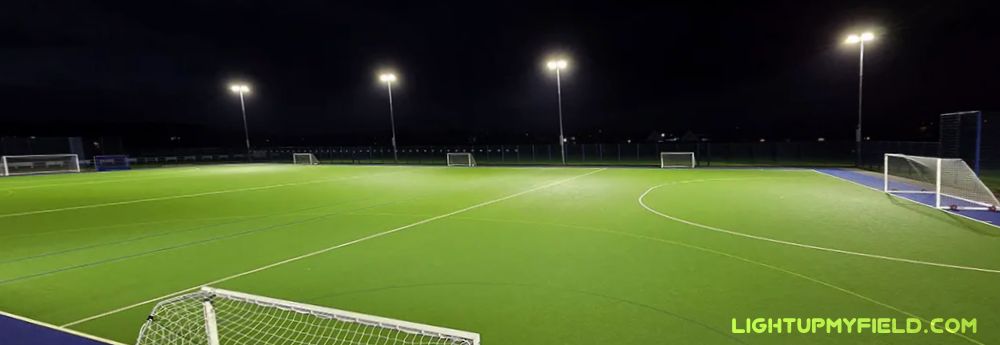
Light pole layout has a major influence on the overall performance and cost of a football field lighting system. Even high-quality LED floodlights can produce disappointing results if they are installed in unsuitable positions, because pole height, spacing, mounting orientation, and aiming angles all affect how light reaches the playing surface.
The most suitable arrangement depends on several factors, including field dimensions, competition level, surrounding buildings, available installation space, and budget. A layout that works well for a community training field may not provide the performance required by a larger competitive venue, so pole configuration should always be considered alongside the photometric design.
Most outdoor football field lighting projects use four, six, or eight poles, although other arrangements are possible. A four-pole configuration is often considered for smaller or simpler facilities because it reduces the number of foundations and electrical connection points. However, achieving good uniformity may require careful fixture selection and aiming.
Six-pole arrangements provide more flexibility when distributing light around the perimeter and can be useful when the site has particular space or glare constraints. Eight-pole configurations offer additional mounting positions and aiming flexibility, making them worth evaluating for larger venues, higher lighting classes, or projects with demanding uniformity requirements.
The number of poles should never be selected independently of the lighting calculations. A larger number of poles does not automatically guarantee better performance, just as using fewer poles does not necessarily mean the installation will be cheaper.
A four-pole layout generally places one lighting pole near each corner of the field, outside the playing area and at a suitable perimeter position. This arrangement can be attractive for community facilities because it reduces the number of pole foundations, electrical connection points, and installation locations.
However, each pole may need to support a relatively large number of floodlights, which can increase structural loading and make precise aiming more demanding. The design also needs to address corner illumination and the distribution of light along the sidelines, as these areas can be difficult to illuminate evenly from a limited number of positions.
For a field with modest lighting requirements, four poles may be worth evaluating. If the project has higher performance targets, a six- or eight-pole design may offer greater flexibility.
A six-pole layout typically distributes three poles along each long side of the field, although another arrangement may be more suitable depending on the site geometry. The additional mounting positions give designers more opportunities to distribute light evenly across the playing surface.
Compared with a four-pole arrangement, a six-pole system may reduce the number of fixtures needed at each individual location, depending on the selected products and target illuminance. It can also provide greater flexibility when surrounding structures limit where poles can be installed.
The main disadvantage is the additional construction work. More foundations, wiring, and electrical connections may increase the overall project budget, so the benefits of the arrangement should be checked against its additional cost.
An eight-pole arrangement generally uses four lighting positions along each long side or a comparable perimeter configuration. It provides designers with more mounting positions for controlling beam distribution and addressing specific areas of the playing surface.
For example, different fixture groups can be assigned to the central field, goal areas, and sidelines, giving the designer more flexibility when balancing illumination. This arrangement may be helpful for larger facilities or projects with demanding uniformity requirements.
However, eight poles do not automatically produce better lighting than four or six. The final result still depends on fixture optics, mounting positions, aiming angles, and photometric calculations, while the additional structures and foundations need to be justified by the performance benefits.
Poles are generally positioned outside the playing surface, with suitable setbacks from sidelines, goal lines, access routes, and other site features. The exact coordinates depend on the chosen layout, available space, and applicable safety requirements.
The designer should also consider spectator stands, team benches, advertising boards, trees, nearby roads, and surrounding buildings. A pole positioned too close to the field may create unwanted glare or interfere with facility operations, while one placed too far away may require greater mounting heights or more powerful fixtures to achieve the same lighting performance.
Existing site features can also influence the layout. If the field has a running track, for example, pole locations may need to sit outside the track perimeter. Other facilities may have limited space along one side because of parking areas, neighboring buildings, or underground utilities. A site survey should therefore be completed before the pole arrangement is finalized.
Pole height affects beam coverage, glare, structural requirements, and installation cost. For preliminary planning, outdoor football field lighting poles commonly fall within the following broad ranges:
| Pole height | Potential application |
|---|---|
| 12–18 m | Smaller recreational fields |
| 18–25 m | Community and school football fields |
| 25–30 m | Larger competitive facilities |
| 30–40 m | Stadiums and demanding lighting applications |
These are indicative planning ranges rather than prescribed heights. Actual requirements depend on the field layout, fixture optics, mounting arrangement, and lighting class. An 18 m pole may be suitable for one school field but unsuitable for another with different perimeter dimensions or lighting targets.
Taller poles can improve the available aiming geometry and help distribute light across a wider area. However, they also require stronger structures and foundations, and may need larger lifting equipment during installation. Wind loading, pole deflection, corrosion protection, soil conditions, and local structural codes should all be included in the engineering assessment.
Pole height changes the angle at which light reaches the playing surface. When fixtures are mounted too low, the beams may create stronger localized brightness and more noticeable differences between illuminated areas. Raising the fixtures can provide a broader distribution and allow more light beams to overlap, potentially improving uniformity depending on the optical characteristics and aiming arrangement.
However, taller is not automatically better. Incorrectly aimed fixtures can still create glare and unnecessary light spill, regardless of mounting height. There is also a financial trade-off because a 30 m pole generally costs more to transport, install, and support than an 18 m pole, and its foundation may require additional concrete, reinforcement, and engineering work.
The most economical arrangement is usually the one that meets the required lighting performance without unnecessary structural height or fixture capacity. Photometric calculations and structural assessments should be considered together when selecting the final pole height.
Pole spacing depends on the field dimensions, mounting height, number of poles, fixture distribution, and target uniformity. For example, a six-pole layout might distribute three poles along each long side of a 105 m football field, with positions spaced at roughly 30–40 m intervals depending on the setback and exact geometry.
This should be treated only as a preliminary layout concept. Actual pole coordinates need to be established through photometric simulation, as the best spacing will vary with the fixture optics and required lighting performance.
Designers should also avoid placing poles where they interfere with emergency access, spectator movement, maintenance equipment, or future facility expansion. These practical considerations should be reviewed during the site assessment rather than after the structural design has been completed.
Single-sided lighting uses fixtures positioned mainly along one side of the playing area. It may be considered for smaller facilities or sites where space is limited, but light arriving from a relatively narrow range of directions can make balanced illumination more difficult to achieve and may produce unwanted shadows.
Multi-sided lighting distributes fixtures around several sides of the field, allowing light to reach players and the playing surface from different directions. This can improve uniformity and reduce harsh shadows, particularly when the fixtures are carefully aimed and their beam distributions overlap.
For most full-size outdoor football projects, a multi-sided arrangement is worth evaluating, especially where competitive play or broadcast performance is expected. The final choice should still be based on the site conditions and photometric results rather than a general preference for one configuration.
The lighting pole is only one part of the supporting structure. Its foundation must safely transfer the pole’s weight and wind loads into the ground, with the design depending on pole height, pole shape, fixture quantity, wind speed, soil conditions, and the dimensions of the mounting structure.
For example, a 25 m pole carrying several large floodlights will experience different loading from a 15 m pole with a smaller fixture arrangement. The structural engineer needs to consider these differences when specifying foundation dimensions, reinforcement, and anchoring details.
A geotechnical investigation may also be needed to establish the soil’s bearing capacity and groundwater conditions. It is better to include these engineering costs in the original project budget rather than treat the foundation as a minor installation detail.
Photometric simulation is one of the most useful tools in sports lighting design. Software such as DIALux and AGi32 can model the field, poles, luminaires, mounting heights, and aiming angles, allowing designers to evaluate the expected lighting performance before equipment is installed.
A typical simulation can show average lux, minimum lux, maximum lux, U1, U2, and the distribution of illumination across a calculation grid. It can also help compare different pole configurations and identify whether a particular arrangement is likely to create dark areas or excessive brightness.
For example, a designer could evaluate a four-pole arrangement against a six-pole arrangement using the same LED fixtures. If the six-pole version achieves better uniformity with fewer total lumens, it may offer a more attractive overall solution. When reviewing a supplier’s proposal, ask for the photometric report and original fixture IES or LDT files so that the assumptions and expected performance can be examined.
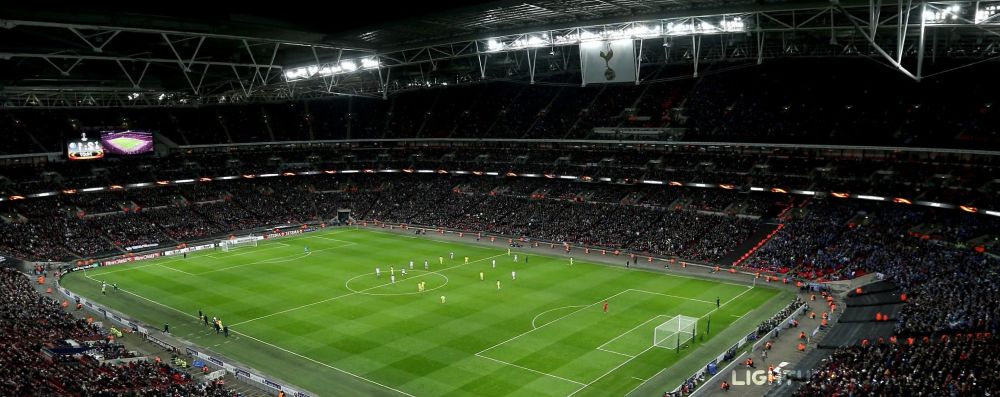
Cost is usually one of the first questions raised when planning a new football field lighting project. The final price can vary considerably because a complete system includes much more than the LED floodlights themselves. Poles, foundations, electrical infrastructure, controls, engineering, transportation, lifting equipment, and commissioning can all contribute to the total budget.
A small school field with existing poles may require a relatively straightforward LED retrofit, while a new stadium installation with 30 m poles and broadcast-grade lighting will involve a much larger investment. The most useful way to estimate the cost is to divide the project into individual components and assess each one according to the site’s requirements.
The following figures are broad preliminary US$ budgeting allowances for illustrative planning purposes, not verified market averages or supplier quotations. They assume outdoor projects in the United States, but actual costs can vary significantly according to labor rates, location, fixture quality, pole height, and site conditions.
| Project type | Indicative project budget |
|---|---|
| Small recreational field LED upgrade | US$15,000–US$40,000 |
| Community football field lighting | US$40,000–US$100,000 |
| High school football field | US$60,000–US$150,000 |
| College or university field | US$100,000–US$250,000 |
| Larger competitive stadium | US$200,000–US$500,000+ |
| Professional broadcast-grade stadium | US$500,000–US$1,500,000+ |
These ranges should not be interpreted as fixed prices for every facility in a particular category. A school field with usable existing poles and electrical infrastructure may fall toward the lower end, whereas a new installation involving tall poles, reinforced foundations, underground cabling, and extensive site work could cost considerably more.
For a more reliable estimate, the supplier will need the field dimensions, required lux level, pole configuration, operating schedule, and details of the existing electrical infrastructure. A site-specific quotation is much more useful than relying on a general price range.
Fixture prices vary according to wattage, optical design, luminous output, housing materials, driver quality, and certifications. For preliminary budgeting, commercial LED sports floodlights may fall within broad price ranges such as the following:
| Fixture power | Indicative fixture price |
|---|---|
| 300–500 W | US$200–US$600 |
| 600–800 W | US$350–US$900 |
| 900–1,000 W | US$500–US$1,300 |
| 1,200–1,500 W | US$800–US$2,000+ |
These are illustrative procurement allowances rather than current verified transaction prices. Premium products, specialized optics, broadcast-grade performance, and larger-volume orders can change the figures substantially.
When comparing quotations, check whether the listed price includes the driver, mounting bracket, surge protection, aiming accessories, and required cables. A cheaper fixture may not be the more economical option if it produces less useful light, requires more units to achieve the target illuminance, or needs more frequent maintenance.
Lighting poles can account for a substantial share of the project budget. Their price depends on height, material, structural loading, corrosion protection, manufacturing specifications, and transportation distance. For initial budgeting, a conventional galvanized steel sports lighting pole might fall within a broad allowance of approximately US$3,000–US$10,000 per pole, while taller or more specialized structures can cost considerably more.
Foundations add another expense. A preliminary allowance of US$2,000–US$8,000 per foundation may be considered for some projects, although difficult soil conditions, larger structures, and extensive excavation can push costs higher. These figures should not be used for construction approval because actual pole and foundation costs require structural design, geotechnical information, and supplier quotations.
The budget should also include anchor bolts, base plates, access arrangements, and any required inspection or engineering services. Leaving these items out of the initial estimate can create a significant gap between the expected and actual project cost.
Electrical infrastructure is sometimes underestimated during the planning stage. A complete installation may require underground conduit, cable trenches, distribution panels, circuit protection, grounding, control cabinets, and connections to the existing power supply.
If the field already has a suitable electrical system, the work may be relatively straightforward. However, if a new transformer, service upgrade, or long cable route is needed, the project can become considerably more expensive. The existing electrical capacity should therefore be checked before the final equipment package is selected.
Installation costs also depend on pole height and site accessibility. Lifting and installing a 25 m lighting pole requires different equipment and planning from mounting LED fixtures on an existing 12 m structure. The quotation should clearly separate equipment costs from civil works, electrical installation, transportation, and commissioning so that the project owner can understand the full scope.
The number of poles influences more than the purchase price of the structures. A four-pole layout may reduce foundation and cabling costs, but each pole may need more fixtures and greater structural capacity. A six-pole system adds mounting positions and foundations, while offering more flexibility when distributing light across the field.
An eight-pole arrangement may provide further control over beam distribution, although the additional structures can increase installation costs. A useful comparison should therefore consider the entire lighting package rather than the number of poles alone.
For example, a four-pole design requiring 48 high-output fixtures may not be cheaper than a six-pole design using 42 fixtures with more efficient optical distribution. The photometric report should be used to compare the actual performance, fixture quantities, structural requirements, and total installed cost of each option.
A new installation generally involves more construction work because the project needs new poles, foundations, electrical distribution, and supporting infrastructure. An LED retrofit may be more affordable if the existing poles and foundations are structurally sound and the electrical system can support the replacement fixtures.
However, older installations should not automatically be assumed suitable for direct replacement. Existing poles may not have sufficient structural capacity for the new floodlights, and their mounting brackets may be incompatible with the replacement equipment. A professional inspection should review pole condition, wind loading, corrosion, electrical protection, grounding, and cable condition.
For some projects, replacing only the fixtures makes sense. For others, a full system upgrade may provide better long-term value by addressing structural and electrical limitations at the same time.
Several factors can change the cost of a football field lighting project, starting with the required illumination level. A 150-lux training field will usually need a different fixture package from a 750-lux competitive venue, and the number and type of floodlights can have a substantial effect on the equipment budget.
Pole height and configuration also influence costs because taller structures require stronger poles, larger foundations, and specialized lifting equipment. Site conditions matter too, as rocky ground, difficult access, existing underground utilities, and long cable routes can increase civil and electrical expenses.
Product selection is another variable. Premium LED fixtures may have higher initial prices but offer better optical performance, warranty coverage, and long-term reliability. Project location also affects labor costs, permitting fees, freight charges, and the availability of specialist contractors.
Annual operating costs depend on connected power, operating hours, and electricity tariffs. The basic calculation is:
Annual Electricity Cost = Power (kW) × Operating Hours per Year × Electricity Rate (US$/kWh)
Consider a field with a 45 kW LED lighting system that operates for 1,500 hours annually. If the electricity rate is US$0.15 per kWh, the estimated annual electricity cost is:
45 × 1,500 × US$0.15 = US$10,125 per year
If the same field operates for 2,500 hours annually, the calculation becomes:
45 × 2,500 × US$0.15 = US$16,875 per year
The difference is US$6,750 annually. This shows why operating schedules and lighting controls deserve attention. A facility that switches off unnecessary lighting after training sessions can reduce electricity consumption without changing the physical lighting system.
The actual electricity bill may also include demand charges, taxes, and other utility fees, depending on the local tariff. These should be considered when preparing a detailed operating budget.
Purchase price alone does not show whether a lighting system is economical. Total Cost of Ownership considers the expenses incurred throughout the expected service period, including the initial installation, electricity, maintenance, replacement components, inspections, and eventual equipment replacement.
Consider two hypothetical systems over a ten-year period:
| Cost category | Traditional system | LED system |
|---|---|---|
| Initial installation | US$90,000 | US$125,000 |
| Annual electricity | US$24,000 | US$13,500 |
| Annual maintenance allowance | US$4,000 | US$1,500 |
| Ten-year operating and maintenance cost | US$280,000 | US$150,000 |
| Ten-year total | US$370,000 | US$275,000 |
Under these assumptions, the LED system costs US$35,000 more initially but saves US$95,000 over ten years. This demonstrates why comparing purchase prices alone can lead to an incomplete decision.
The calculation does not include financing, inflation, changes in electricity prices, discount rates, or differences in residual value. A detailed investment assessment should account for these factors, particularly when the project involves a substantial capital investment.
Return on Investment (ROI) measures the financial benefit of an investment compared with its cost. For a lighting upgrade, the financial benefit may include electricity savings and reduced maintenance expenses, while the investment cost should reflect the project expenditure being evaluated.
A straightforward calculation is:
Return on Investment (ROI) = (Net Financial Benefit / Investment Cost) × 100%
Suppose a school invests US$125,000 in an LED upgrade. The new system saves US$10,500 annually in electricity and US$2,500 in maintenance, giving a combined annual benefit of US$13,000.
A simple payback calculation would be:
US$125,000 ÷ US$13,000 = approximately 9.6 years
However, when comparing a new LED installation with an alternative replacement system, it is often more useful to calculate the payback based on the additional investment rather than the entire project cost. If the LED system costs US$35,000 more than a conventional replacement and delivers annual savings of US$13,000, the additional investment would be recovered in approximately 2.7 years.
This distinction gives facility owners a more realistic way to compare competing investment options. For a full financial assessment, the calculation should also account for electricity price changes, maintenance assumptions, financing costs, and the expected service life of the equipment.
Funding is often a major concern for schools, community sports clubs, and local authorities planning a football field lighting upgrade. A complete project can cost tens or even hundreds of thousands of dollars, depending on the field size, pole arrangement, electrical work, and lighting specifications. Grants, utility rebates, and energy-efficiency incentives can help reduce the amount that needs to come directly from the facility’s budget.
The funding available depends on the facility’s location, ownership, organization type, and project objectives. In the United States, for example, some programs support energy-efficient infrastructure, community recreation, public facilities, and school improvements. It is worth exploring both sports-related grants and broader energy-efficiency schemes, as an LED lighting project may qualify because it reduces electricity consumption, improves access to recreational facilities, or upgrades public infrastructure.
Yes, although grants specifically intended for football field lighting are not available in every area. Many funding programs cover broader improvements to sports facilities, public recreation areas, school infrastructure, and energy efficiency. An LED upgrade may fit within one of these categories if the proposal demonstrates measurable energy savings or explains how better lighting will improve community access.
Eligibility often depends on who owns and operates the facility. Public schools and municipal sports grounds may qualify for funding that is unavailable to privately operated clubs, while nonprofit organizations may be eligible for certain community development and recreation grants. Before preparing an application, identify the facility owner’s legal status and check which funding categories accept applications from that type of organization.
Government funding may be available through federal, state, county, or municipal programs. In the United States, the US Department of Agriculture’s Community Facilities programs support eligible public and community facilities in qualifying rural areas. Whether a particular football field lighting project qualifies depends on the program’s requirements, the applicant’s eligibility, and the nature of the proposed improvement.
State and local governments may also provide capital improvement funding for school grounds, recreational facilities, and public sports infrastructure. Applications commonly require a detailed project proposal, cost estimates, evidence of community benefit, and documents confirming that the applicant meets the eligibility criteria.
Funding priorities and application windows can change from year to year, so check the administering agency’s current guidance before including a grant in the project budget. It is safer to treat potential funding as an opportunity rather than assume that an application will be approved.
Energy-efficiency incentives offer another possible way to reduce the cost of a football field lighting upgrade. Some utility companies provide rebates for commercial LED lighting improvements, including outdoor lighting systems, while other incentives are administered through state energy offices or regional energy-efficiency organizations.
Applicants may need to document the existing lighting system and explain how the proposed replacement will reduce electricity consumption. Useful information includes the current fixture wattage, proposed LED wattage, annual operating hours, expected energy savings, and product specifications. The more clearly these figures are presented, the easier it is for a funding provider to assess the project’s potential benefits.
Consider a facility replacing an existing 80 kW lighting system with a 45 kW LED installation. The connected load would decrease by 35 kW. If the field operates for 2,000 hours annually, the estimated energy reduction would be:
Annual energy saving = (80 − 45) × 2,000 = 70,000 kWh
At an electricity rate of US$0.15 per kWh, the projected annual electricity saving would be US$10,500. These figures can support a rebate or grant application, although the funding provider may require a particular calculation method, supporting utility bills, or independent verification.
Schools and universities may be able to fund lighting improvements through education budgets, district capital improvement plans, state infrastructure programs, or institutional sustainability initiatives. For a school football field, a funding proposal can explain how improved lighting will support evening sports programs, student participation, community use, and the general operation of the facility.
Universities may have additional opportunities through campus sustainability budgets and energy-reduction initiatives. An LED upgrade can contribute to institutional energy targets while improving the quality and usability of sports facilities. Larger institutions may also spread the investment across several financial years, upgrading multiple fields in phases rather than committing the entire budget at once.
A phased approach can make a large project easier to finance and manage. It also allows the institution to review the results of the first installation before moving on to other facilities.
Community sports organizations may qualify for grants designed to improve access to recreational facilities. Applications are generally stronger when they explain who uses the facility, how frequently it is used, and what additional opportunities the lighting upgrade will provide.
A community football field, for example, might serve youth teams, adult recreational leagues, school competitions, and weekend tournaments. If better lighting allows the facility to host evening training sessions or extend its operating hours, the project may deliver benefits beyond the organization that manages it.
Support these claims with realistic operating schedules and evidence of expected use. Avoid overstating participation numbers or projected energy savings, as funding applications should reflect benefits the facility can reasonably deliver.
Start by checking the websites of your state energy office, local government, utility provider, and community development agencies. School districts should also review their capital improvement plans and sustainability funding channels, as these may include support for outdoor sports facilities.
Nonprofit sports clubs can investigate local foundations and community development organizations that provide grants for recreational infrastructure. It is worth contacting the administering organization directly to confirm whether outdoor sports lighting is an eligible expense.
Pay close attention to eligibility rules, matching-fund requirements, application deadlines, and approved equipment categories. These details can change between funding rounds, so information from an older application should not be treated as confirmation that the same terms still apply.
Most applications require a clear description of the proposed work and a realistic project budget. For a football field lighting upgrade, the supporting documents may include a site description, details of the existing lighting system, proposed LED specifications, photometric calculations, and a breakdown of equipment and installation costs.
Energy-focused applications may also request recent electricity bills, operating-hour records, and projected energy savings. Some programs ask applicants to provide several supplier quotations or an independent engineering assessment to demonstrate that the proposed costs are reasonable.
The application should also explain how the facility will maintain the new system after installation. A clear maintenance plan, together with a practical technical proposal, helps reviewers understand what the funding will pay for and how the project is expected to perform over time.
A convincing proposal connects the technical improvements with measurable financial or community benefits. Rather than simply stating that the existing lights are old, describe the problems affecting the facility, such as poor illumination near the sidelines, frequent maintenance requirements, high electricity consumption, or restrictions on evening activities.
The proposed LED system should then address these issues through specific performance targets. For example, reducing the connected load from 80 kW to 45 kW would represent a 43.75% reduction. With 2,000 operating hours per year, the estimated annual energy saving would be 70,000 kWh.
Figures like these give funding reviewers a clearer basis for evaluating the project than general claims about sustainability. Include the proposed lighting performance, expected electricity savings, installation budget, project timeline, and maintenance arrangements. The proposal should also explain how the facility will continue operating and maintaining the system after the funding period ends.
Yes. Some facilities use projected electricity savings to support a phased investment or financing arrangement. The potential benefit becomes easier to assess when the existing operating cost is compared with the expected cost of running the replacement system.
Suppose a school currently spends US$24,000 annually on electricity for its football field lighting. After installing a new LED system, the expected annual electricity cost falls to US$13,500, creating a saving of US$10,500 per year.
Over ten years, this would represent US$105,000 in cumulative electricity savings, assuming the operating schedule and electricity rate remain unchanged. A financing proposal can use this estimate to demonstrate how the upgrade may reduce long-term operating expenses.
However, simple cumulative savings are not the same as net financial returns. A more complete assessment should account for financing interest, maintenance costs, changes in electricity prices, and any additional utility charges.
Installing a football field lighting system involves several stages, starting with the site assessment and continuing through lighting design, equipment selection, construction, and final commissioning. A new installation may require pole foundations, underground electrical infrastructure, lighting poles, LED floodlights, and a control system. An LED retrofit can be more straightforward if the existing poles, foundations, cabling, and electrical equipment are still suitable.
Regardless of the project type, careful preparation helps reduce delays, avoid unnecessary work, and keep the installation aligned with the approved lighting design. Each stage should be coordinated with the others so that the selected equipment, structural arrangement, and electrical system work together.
Before choosing equipment, the project team should inspect the site and record the conditions that will affect the installation. This includes the field dimensions, surrounding buildings, available pole positions, underground utilities, electrical capacity, and access for construction equipment.
For an existing installation, the assessment should also cover the condition of the current poles, foundations, cables, and distribution panels. Recording fixture wattage, fixture quantity, mounting height, operating hours, and maintenance history provides a useful baseline for comparing the existing system with the proposed LED upgrade.
The site assessment should identify any restrictions that could affect the design or construction schedule. These might include nearby residential properties, overhead services, limited crane access, or underground infrastructure that conflicts with proposed foundation locations.
Once the site information has been collected, the lighting designer can prepare a photometric model. The model should include the field dimensions, pole coordinates, mounting heights, fixture specifications, and aiming angles. It can then be used to evaluate average, minimum, and maximum illuminance, along with the relevant uniformity ratios.
Spill-light calculations should also be considered if the field is close to residential properties, roads, or other sensitive areas. This helps the designer assess how much light may extend beyond the playing surface and whether adjustments to fixture selection or aiming are needed.
Comparing several design alternatives before selecting the final equipment package can reveal opportunities to improve performance or control costs. A school, for example, might request one proposal using six poles and another using eight. The photometric simulations can then show which arrangement meets the project’s lighting requirements while offering a suitable balance between installation cost and performance.
After the lighting design has been reviewed, the project team can select the equipment. LED floodlights should match the photometric specifications, while the poles and foundations must satisfy the structural requirements for the site. Electrical components should be selected according to the connected load, supply voltage, circuit arrangement, and applicable electrical codes.
The procurement specification should also identify the required IP rating, surge protection, control compatibility, warranty period, and relevant product certifications. Putting these requirements into one document makes it easier to compare supplier quotations and reduces the risk of receiving equipment that does not match the approved design.
For a new installation, foundation construction usually takes place before the lighting poles arrive on site. The contractor prepares the excavation, installs reinforcement and anchor bolts, and pours the concrete foundation according to the approved structural drawings.
The concrete must achieve the specified strength before the pole is erected. The curing period and installation schedule depend on the concrete specification, weather conditions, and engineering requirements, so the construction team should follow the approved project documentation rather than rely on a general timetable.
Once the foundations are ready, the poles can be lifted into position using suitable cranes and installation equipment. The installation team should check the pole position, alignment, and connection details against the approved drawings before proceeding with fixture mounting.
Qualified electrical contractors install the required cabling, conduit, distribution equipment, grounding, and protection devices. The circuit arrangement should allow suitable lighting groups to be operated independently, giving the facility greater control over how much of the field is illuminated at any one time.
For example, a school may want separate circuits for training illumination, competitive matches, and maintenance lighting. This arrangement allows operators to select the appropriate lighting configuration for each activity instead of switching on every fixture for every session.
All electrical work should be completed by qualified professionals and comply with the applicable local codes. The electrical design should also account for the system’s connected load, protection requirements, and any future expansion plans.
Once the poles are installed, the LED floodlights can be mounted according to the approved lighting design. Each fixture should be fitted in its designated position, with the specified mounting orientation and aiming angle.
This stage deserves careful coordination because even a relatively small aiming difference can change the distribution of light across the playing surface. Pointing every fixture toward the center of the field is not a substitute for following the approved aiming schedule, which is designed to distribute illumination across the full playing area.
Where possible, label each fixture according to its pole location and aiming direction. This makes commissioning easier and gives maintenance teams a useful reference if a fixture needs to be replaced or repositioned later.
After installation, the lighting system should be tested to confirm that all components operate correctly. Commissioning normally includes checking electrical connections, fixture operation, control functions, and protective devices. Illuminance measurements should then be taken across the playing surface using a calibrated lux meter.
The measurement grid should follow the applicable standard or project specification. A designer might, for example, specify measurement points on a 10 m × 10 m grid, although the appropriate spacing depends on the field dimensions and governing requirements.
The measured results can be compared with the original photometric calculations to check whether the installed system achieves the intended performance. If certain areas are too dark or too bright, fixture aiming angles or settings may need adjustment. The final commissioning report should record the measured results, testing conditions, and any changes made during the process.
The installation schedule depends on the project size, equipment availability, site conditions, and amount of civil and electrical work involved. A straightforward retrofit using existing poles may take approximately one to three weeks, while a new installation involving foundations, underground cabling, new poles, and electrical infrastructure may take four to twelve weeks or longer.
These are preliminary planning ranges rather than guaranteed construction durations. Weather, permitting, concrete curing, crane availability, and electrical utility work can all affect the schedule, particularly on larger projects.
Schools and sports clubs should plan the work around their competition calendars wherever possible. Scheduling construction during school holidays or quieter periods can reduce disruption to training sessions and scheduled matches.
Permit requirements vary according to the project location and local regulations. In the United States, a football field lighting project may require building permits, electrical permits, structural approvals, zoning review, and checks for compliance with outdoor lighting requirements.
Taller lighting poles may need additional engineering documentation, while facilities near residential properties, airports, highways, or environmentally sensitive areas may face further restrictions. The project owner should contact the relevant local authorities before construction begins to confirm which approvals are needed and how long the process may take.
A modern LED lighting installation does not need to operate at full power every time the field is in use. Lighting controls allow facility operators to adjust output according to different activities, operating schedules, and competition requirements, helping manage electricity consumption while making the system easier to operate.
The right control arrangement depends on how the facility is used. A small community field may need only straightforward switching, while a university stadium or multi-field sports complex may benefit from programmable lighting scenes, remote monitoring, and centralized management.
Manual control systems use switches or control panels to turn lighting circuits on and off. They are relatively straightforward and may be sufficient for smaller community fields where operating schedules are predictable and the number of lighting circuits is limited.
Automated systems offer greater flexibility through preset schedules, remote controls, sensors, or centralized management software. A sports facility, for example, could configure separate lighting scenes for training, evening matches, cleaning, and maintenance. Instead of manually switching several circuits, an operator can select the required setting through a control panel or connected interface.
The choice should reflect the facility’s operating needs and the complexity of the installation. A more advanced system is not necessarily better if the additional functions will rarely be used.
Dimming allows lighting output to be adjusted according to the activity taking place on the field. A school might use a lower setting for basic training and increase the output for more demanding activities, provided the selected levels comply with the applicable lighting requirements.
For example, a facility might consider 100–150 lux for basic training and 200–300 lux for other recreational activities, subject to the relevant standards and project specifications. Competitive matches may require a higher setting, depending on the level of play and governing requirements.
The actual dimming levels should be established through the lighting design. Reducing electrical power by 50% does not necessarily mean that every part of the field will retain suitable illumination, because the relationship between power consumption and light output depends on the LED drivers and control system. Confirm that the selected fixtures support the intended dimming method and that the lighting designer has checked the performance at each operating level.
Scheduling helps prevent the lights from remaining switched on when the field is not being used. A facility can program the system to activate shortly before a training session and switch off after the field is no longer required.
For example, a school operating between 5 PM and 9 PM could divide its schedule into separate periods for training, competitive activities, and cleanup. If the field is not booked or occupied, the system can remain off rather than running unnecessarily.
These operational adjustments may seem small, but they can produce meaningful savings over a full year, especially at facilities with several fields or extended evening operating hours.
Remote lighting controls allow facility operators to monitor and manage the system through a connected interface. Depending on the platform, users may be able to check operating status, identify fixture faults, adjust lighting scenes, and review energy consumption without visiting the control panel.
For facilities with multiple sports fields, centralized management can simplify daily operation and provide a clearer view of how each installation is being used. Some systems also record operating hours, helping maintenance teams plan inspections and identify unusually high energy consumption.
Before selecting a smart lighting platform, check whether the software requires an ongoing subscription and whether the manufacturer will continue supporting it over the expected service life of the installation. Compatibility with existing equipment and the availability of technical support should also be considered.
The potential savings depend on the operating schedule and the difference between full-power and reduced-power settings. Consider a 45 kW LED system that operates at full power for 1,000 hours and at an average of 60% power for another 1,000 hours.
Its estimated annual energy consumption would be:
Annual energy consumption = (45 × 1,000) + (45 × 0.60 × 1,000)
Annual energy consumption = 72,000 kWh
Without dimming, the system would consume:
45 × 2,000 = 90,000 kWh
The difference is 18,000 kWh. At an electricity rate of US$0.15 per kWh, the potential annual saving would be US$2,700.
This is a simplified example rather than a guaranteed saving. Actual energy consumption and lighting output depend on the LED drivers, control settings, fixture characteristics, and operating conditions.
Some stadiums and larger sports facilities require separate emergency lighting arrangements. These systems support safe evacuation and movement if the normal electrical supply fails, with requirements depending on building use, occupancy, local codes, and the facility’s safety plan.
Emergency lighting should not be confused with the main football field floodlighting system. The two serve different purposes and may have separate power supplies, control arrangements, and performance requirements. The project design should identify each system clearly so that the appropriate equipment and approvals are included.
LED systems generally require less routine maintenance than traditional metal halide installations, but they are not completely maintenance-free. Regular inspections help identify problems before they affect the entire lighting system, particularly at facilities where fixtures are mounted high above the field.
Maintenance planning also matters because repairs to elevated floodlights may require specialist access equipment and additional labor. Keeping inspection records and selecting equipment with available replacement components can make long-term maintenance more predictable.
A practical maintenance plan should include periodic visual inspections and scheduled electrical checks. For many outdoor facilities, a basic inspection every six to twelve months is a reasonable starting point, although more frequent checks may be appropriate in demanding environmental conditions or at heavily used venues.
The inspection should cover fixture housings, mounting brackets, cables, connectors, seals, and visible signs of corrosion. Operators should also look for fixtures that have become noticeably dimmer, flicker during operation, or no longer switch on reliably.
For high-use stadiums, additional inspections may be appropriate. The inspection schedule should take account of manufacturer recommendations, local environmental conditions, and the facility’s operating requirements.
Reduced brightness is one of the problems operators may notice over time. It can be associated with LED degradation, driver issues, damaged optics, dirt accumulation, or electrical supply problems. Uneven illumination may also develop if fixtures have been moved or incorrectly aimed during maintenance.
Flickering can indicate a driver fault, electrical instability, incompatible dimming equipment, or a poor connection. Water ingress may occur when seals or cable connections deteriorate, potentially affecting electrical performance and component life.
The best response is to identify the underlying cause before replacing equipment. A systematic inspection can help determine whether the problem is limited to one fixture, affects an entire circuit, or relates to the original lighting design.
Outdoor fixtures should be kept reasonably clean, particularly where dust, pollen, or pollution accumulates on the optical cover. Cleaning procedures should follow the manufacturer’s recommendations, as aggressive chemicals and unsuitable pressure-washing methods can damage seals, coatings, or other components.
Electrical connections, grounding arrangements, and surge protection should also be checked by qualified personnel. The maintenance team should keep records of inspections, repairs, fixture replacements, and operating hours so that recurring problems can be identified and warranty claims can be supported with relevant documentation.
Replacement timing depends on the actual condition and performance of the equipment. A fixture approaching its rated operating hours does not automatically need to be replaced if it continues to meet the required lighting specification.
However, an upgrade may be necessary if the system can no longer maintain the required average illuminance or uniformity. Other reasons for replacement include repeated driver failures, corrosion, poor optical performance, obsolete components, and difficulty obtaining replacement parts.
The decision should be based on measured lighting performance and the cost of continued maintenance. Comparing the cost of repairs with the expected benefits of a replacement system can help facility owners decide whether to maintain the existing installation or invest in an upgrade.
One way to reduce maintenance costs is to select reliable equipment from the beginning. Good thermal management, suitable surge protection, quality drivers, corrosion-resistant housings, and dependable mounting hardware all contribute to long-term performance.
It is also worth checking whether the manufacturer can supply replacement drivers, lenses, brackets, and other components several years after installation. For a large stadium, keeping a small stock of compatible spare components can reduce downtime when repairs are required, particularly when replacement parts have long delivery times.
A lighting system can remain operational while gradually falling below its original design performance. Professional inspections help determine whether the installation still meets the specified illumination and uniformity requirements, rather than relying only on whether the lights switch on.
A calibrated lux meter can be used to check actual field conditions, while electrical testing can identify problems that are not visible during a routine visual inspection. For competition venues, maintaining inspection records also helps demonstrate that the facility is being managed in line with its applicable technical requirements.
Not every football field needs the same lighting arrangement. A school training ground, university stadium, and professional venue may have similar playing dimensions, but their operating requirements can differ considerably.
Understanding the intended application helps determine the appropriate fixture package, pole arrangement, lighting level, and project budget. It also prevents facilities from paying for specifications they do not need or installing a system that falls short of their actual requirements.
School football fields generally need a dependable lighting system for training, competitions, and occasional community events. A preliminary target might be 200–500 lux, depending on the level of competition and applicable standards, although the final design should be based on the school’s actual requirements.
LED floodlights are often attractive for school facilities because they can reduce electricity consumption and provide instant switching. Schools may also benefit from separate lighting scenes for training and matches, allowing operators to use a suitable setting for each activity.
When planning a school project, consider the academic calendar, local sports schedules, and community use. These factors influence annual operating hours and help establish whether the proposed system offers a reasonable long-term financial benefit.
College and university facilities may host more demanding competitions and larger spectator events. Their lighting systems may need higher illuminance, improved uniformity, better glare control, and more advanced lighting management than a basic school training ground.
Some university stadiums also require camera-friendly lighting for live broadcasts and recorded games. In these cases, the lighting design should be coordinated with media and facility management teams from the beginning, as broadcast requirements can influence fixture selection, aiming, and control settings.
A design based only on average horizontal illuminance may not provide everything required for broadcasting. Depending on the intended use, vertical illuminance, color rendering, flicker performance, and other camera-related parameters may also need to be evaluated.
Professional football stadiums have demanding lighting requirements, particularly when they host televised competitions. Depending on the competition and broadcasting arrangements, the installation may need high horizontal and vertical illuminance, excellent uniformity, low flicker, consistent color rendering, and advanced control functions.
Larger venues may also require backup power arrangements and integrated control systems. Their lighting design is often part of a wider stadium engineering project involving roof structures, seating, broadcast equipment, and electrical infrastructure.
The lighting supplier should be able to provide detailed technical documentation and coordinate with the wider project team. This helps ensure that the lighting installation meets the venue’s performance requirements and works with the other stadium systems.
Community fields generally need a balance between affordability, reliability, and suitable lighting performance. Many are used by youth teams, recreational clubs, local leagues, and community organizations, often with different activities taking place throughout the week.
An LED system with appropriate pole placement and straightforward controls can provide a practical solution. Municipal operators should also consider residential light spill and operating hours, particularly where the field is located close to homes.
Energy-efficient fixtures and scheduled controls can help manage operating expenses within a limited public budget. The lighting design should reflect the actual use of the field rather than applying a professional stadium specification to a facility with much simpler requirements.
Training facilities may have different operating patterns from competition stadiums. Some fields are used for short evening sessions, while others host multiple teams throughout the day, making flexible lighting controls useful.
A system with several controllable levels may allow the facility to use a lower setting for basic drills and a higher setting for full-field tactical training. The selected levels must still meet the applicable requirements for each activity, as dimming should never result in inadequate visibility or unsuitable playing conditions.
The lighting design should account for the training schedule, number of users, and areas of the field that need consistent illumination. These details help determine whether separate lighting zones or control settings would provide practical benefits.
Indoor football facilities have a different set of design considerations from outdoor fields. Ceiling height, roof structures, reflective surfaces, mounting positions, and player viewing angles all affect lighting performance.
Indoor venues may also require protection against ball impact, depending on fixture location and the facility’s design. Glare is another concern because players frequently look upward when tracking the ball, so fixture optics and mounting positions should be selected with viewing angles in mind.
The lighting designer should also consider the ceiling materials and potential reflections. These factors can affect visual comfort and the distribution of light across the playing surface.
Selecting a supplier involves more than comparing fixture prices. The manufacturer should understand sports lighting requirements and be able to provide products that match the project’s photometric, electrical, and structural specifications.
A reliable supplier can also support the lighting design, equipment selection, technical documentation, and after-sales service. Evaluating these capabilities before purchasing helps reduce the risk of choosing products that look attractive on paper but do not perform as expected once installed.
Start by reviewing the manufacturer’s experience with outdoor sports lighting projects. Ask whether the company has supplied equipment for football fields, rugby grounds, athletic facilities, or other large outdoor sports venues, and request examples of completed installations where available.
It is also useful to review product specifications, technical documents, and project references. A manufacturer with sports lighting experience should be able to discuss lux requirements, uniformity, pole height, beam distribution, and glare control rather than focusing only on fixture wattage.
Product quality should be evaluated through technical data and supporting documentation. Check luminous output, efficacy, power consumption, driver specifications, color rendering, color temperature, and optical distribution to understand how the fixture is expected to perform.
The enclosure should have a suitable IP rating, and the product should include appropriate electrical and surge protection. Thermal design also deserves attention because high operating temperatures can affect LED performance and the service life of electronic components.
Where possible, request independent test reports or product certification documents rather than relying solely on marketing descriptions. Make sure the documentation applies to the exact fixture model being quoted, as specifications can differ between products within the same range.
Photometric reports show how a proposed lighting system is expected to perform across the field. IES and LDT files contain luminaire photometric data that can be imported into lighting design software, allowing the designer to model the actual fixture rather than relying on a generic approximation.
When comparing suppliers, ask each one to provide a lighting simulation using the proposed products, the same field dimensions, and the same target specifications. This creates a more consistent basis for comparing average illuminance, minimum illuminance, uniformity, fixture quantity, and installed power.
A supplier should be able to demonstrate how its fixtures are expected to perform, not simply state how many watts they consume. The report should identify the fixture model, mounting heights, pole positions, aiming angles, and design assumptions so that the results can be reviewed properly.
Certification requirements depend on the destination market and the regulations that apply to the project. For US installations, buyers may need to review UL or ETL electrical safety listings where applicable, along with relevant FCC requirements for electronic equipment. International projects may require CE marking and other market-specific conformity documentation.
Additional product information may include LM-79 photometric testing, LM-80 LED package data, and TM-21 lifetime projections. These documents cover different aspects of product performance and should not be treated as interchangeable.
Ask the supplier to identify which standards and certifications apply to the exact model being quoted. If the project is being installed outside the United States, confirm the requirements with the relevant local authority or project engineer.
A manufacturer that offers photometric design support can make the purchasing process easier. Depending on the service, this may include reviewing field dimensions, selecting pole positions, calculating fixture quantities, preparing aiming schedules, and generating simulation reports.
For a school or community project, this support can help avoid purchasing too many fixtures or choosing products that do not meet the actual lighting requirements. It also gives the project owner a clearer understanding of how the proposed equipment will perform before placing an order.
Before accepting a design, confirm that it uses the exact fixture model being quoted and includes realistic mounting heights, pole coordinates, and aiming angles. A simulation based on a different product or simplified assumptions may not accurately represent the final installation.
Warranty terms should be reviewed carefully before purchasing. Commercial LED sports lighting products may carry warranties of approximately five to ten years, depending on the manufacturer and product range, but the duration alone does not tell the whole story.
The warranty should explain what is covered, how replacement components are supplied, and whether labor or transportation costs are included. It is also worth asking how long replacement drivers and other components are expected to remain available.
For large installations, local technical support and clear communication can make a considerable difference when problems arise. A supplier should be able to explain how warranty claims are handled and who will provide technical assistance after the equipment has been installed.
Before placing an order, ask the supplier to confirm the actual fixture wattage, lumen output, luminous efficacy, beam distribution, and availability of IES files. Request the proposed photometric report, including average illuminance, minimum illuminance, maximum illuminance, and uniformity ratios, so that the expected field performance can be reviewed.
The quotation should also specify the proposed pole height, mounting arrangement, number of fixtures, electrical load, and estimated operating costs. These details make it easier to compare different proposals and identify differences that may not be obvious from the headline price.
Finally, clarify the warranty period, product certifications, lead time, delivery terms, and availability of technical assistance. A detailed quotation should make it clear exactly what is included and which items remain the responsibility of the project owner or contractor.
Purchasing fixtures, poles, and controls from separate suppliers may appear cheaper initially, but it can create coordination challenges. The pole manufacturer may work from different structural assumptions than the lighting supplier, while the electrical contractor may receive incomplete information about the fixture layout and connected load.
A complete lighting solution can simplify communication by bringing the lighting design, fixtures, pole arrangement, and control requirements together. It also provides a clearer basis for comparing total project costs and identifying which parts of the installation are included in the quotation.
However, a complete package should still be evaluated carefully. Confirm the technical specifications, warranty coverage, equipment quantities, and individual costs rather than assuming that a bundled quotation automatically offers better value.
A successful football field lighting project starts with a clear understanding of how the facility will be used. The required lux level, uniformity, pole layout, fixture specifications, and operating schedule all need to work together.
LED technology offers a practical way to improve lighting performance while reducing electricity consumption and routine maintenance. However, choosing the right fixtures is only part of the process. The quality of the photometric design, structural planning, electrical installation, and commissioning will also influence the final result.
For project owners, it is worth looking beyond the initial equipment price. A slightly higher investment in suitable LED floodlights, well-designed optics, reliable drivers, and professional lighting simulation may deliver better performance and lower operating expenses over the years.
If you are planning a new football field lighting installation or considering an upgrade from metal halide to LED, feel free to approach us for a consultation. Share your field dimensions, existing pole arrangement, desired lighting level, and project requirements, and our team can help evaluate suitable LED floodlights, prepare a customized photometric lighting design, and provide a quotation based on your actual project needs. Whether you are working on a school football field, community sports ground, or professional stadium, getting the design right from the beginning can save time, control costs, and give your facility a lighting system built for long-term use.