

Golf course lighting grants are financial assistance programs designed to encourage businesses, public facilities, and recreational venues to adopt more energy-efficient lighting solutions. Unlike traditional loans, grants generally do not need to be repaid as long as the project meets the funding requirements.
Many funding opportunities focus on reducing electricity consumption and lowering carbon emissions. Since lighting often represents a noticeable portion of a golf course’s electricity usage, replacing outdated fixtures with modern LED technology or installing solar-powered lighting can produce measurable energy savings.
Besides government grants, golf course owners may also benefit from utility company rebate programs, environmental sustainability initiatives, and low-interest financing schemes. In many cases, several incentives can be combined, helping reduce the overall investment required.
Who Is Eligible for Golf Course Lighting Grants?
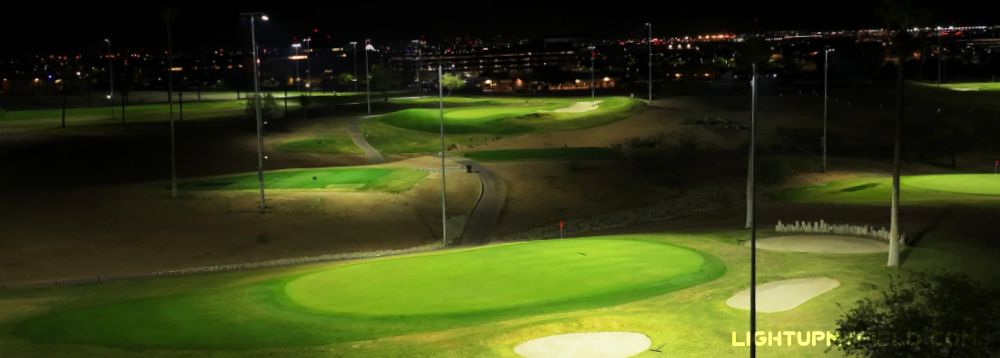
Not every golf course qualifies for every funding program, but the good news is that many golf facilities are eligible for some form of financial assistance. As governments, utility companies, and environmental organizations continue encouraging energy-efficient infrastructure, more grant and rebate programs are becoming available for sports and recreational facilities.
Eligibility depends on several factors, including the ownership of the golf course, the location of the project, the type of lighting upgrade being carried out, and the expected energy savings. Some programs focus on publicly owned facilities, while others are designed specifically for commercial businesses or private organizations investing in sustainable improvements.
Before applying, it’s always worth reviewing the program guidelines carefully, as eligibility requirements can vary significantly from one funding source to another.
Different Types of Golf Facilities
A surprisingly wide variety of golf facilities may qualify for golf course lighting grants or energy-efficiency rebates. Public golf courses and municipal golf facilities are often among the strongest candidates because many government funding programs are aimed at improving public recreational infrastructure and reducing energy consumption across community-owned properties.
Private golf clubs are also becoming increasingly eligible, particularly when they are replacing outdated lighting systems with high-efficiency LED golf course lighting or renewable energy solutions. Resort golf courses, championship golf clubs, executive golf courses, golf academies, and commercial driving ranges may also qualify under business energy-efficiency incentive programs.
Even smaller facilities shouldn’t assume they’re excluded. Practice ranges, par-3 golf courses, golf entertainment venues, and community sports complexes with golf facilities may be able to access local grants or utility rebate programs, especially if the project delivers measurable electricity savings.
Some funding programs also extend beyond the golf course itself. Clubhouses, maintenance buildings, golf cart storage areas, parking lots, maintenance yards, pedestrian walkways, outdoor seating areas, and entrance signage may all be included if they’re part of a comprehensive lighting upgrade.
Ownership and Operational Requirements
Besides the type of golf facility, funding providers usually look at who owns or operates the property. Many grant programs require applicants to either own the facility or hold a long-term lease, ensuring that the organization receiving the funding will continue benefiting from the energy savings over the coming years.
Municipal councils, local governments, park authorities, educational institutions, and nonprofit organizations often have access to dedicated sustainability funding. Commercial operators and privately owned golf clubs may instead qualify through business energy-efficiency grants or utility-sponsored rebate schemes.
Some programs also consider the financial health of the organization, the age of the existing lighting system, and whether previous energy-saving upgrades have already been completed. Having a well-maintained facility and a clearly planned lighting project can strengthen an application.
Project Requirements That Improve Eligibility
In many cases, it’s not just about who is applying, but also what the project is expected to achieve. Funding agencies typically prioritize projects that demonstrate clear energy savings, lower carbon emissions, and long-term operational benefits.
Replacing older lighting technologies such as metal halide, high-pressure sodium (HPS), mercury vapor, fluorescent, or HID fixtures with modern LED golf course lighting often aligns well with grant objectives. Projects involving smart lighting controls, occupancy sensors, photocells, daylight harvesting systems, programmable timers, and wireless lighting management systems may receive additional consideration because they further improve energy efficiency.
Solar-powered lighting projects are another area receiving growing support. Installing solar parking lot lights, solar pathway lighting, solar bollard lights, or hybrid solar lighting systems can help reduce dependence on the electrical grid while supporting broader sustainability goals.
Some funding agencies may also ask applicants to provide projected electricity savings, expected reductions in greenhouse gas emissions, or calculations showing improvements in lighting efficiency. The more measurable the results, the stronger the application is likely to be.
Which Lighting Projects Are Commonly Funded?
Not every lighting upgrade automatically qualifies for funding, but many golf course lighting projects fit perfectly within the objectives of energy-efficiency and carbon reduction programs. Since outdoor lighting often operates for several hours every evening, replacing older systems can produce noticeable reductions in electricity consumption and maintenance costs.
Projects that modernize existing infrastructure are generally viewed more favorably than cosmetic lighting improvements, particularly when they deliver measurable energy savings over the long term.
LED Golf Course Lighting Upgrades
One of the most frequently funded projects involves replacing outdated lighting with high-performance LED lighting systems. LED technology has become the preferred option for many golf courses because it offers lower energy consumption, longer operating life, and improved lighting quality.
Common upgrades include driving range floodlights, golf course practice area lighting, clubhouse exterior lighting, parking lot lighting, maintenance building lighting, maintenance workshop fixtures, golf cart storage lighting, security lighting, and pedestrian pathway illumination.
For example, replacing traditional 1,000-watt metal halide floodlights with modern 500 to 600-watt LED sports lighting fixtures can often reduce electricity consumption by 40% to 70% while delivering equal or even better illumination levels. Over several years, these energy savings can translate into tens of thousands of dollars in reduced electricity costs for larger golf facilities.
LED fixtures also have significantly longer operating lifespans. While older metal halide lamps may require replacement after approximately 10,000 to 20,000 hours, many commercial-grade LED fixtures are rated for 50,000 to 100,000 hours, reducing maintenance expenses and minimizing disruptions caused by lamp replacements.
Solar Lighting Projects
Solar-powered lighting has become another popular option, particularly for areas where underground wiring would be expensive or difficult to install.
Solar parking lot lights, solar pathway lighting, solar landscape lighting, solar bollards, and solar security lighting are commonly included in renewable energy incentive programs. These systems generate electricity from sunlight during the day and store energy in batteries, allowing them to operate throughout the evening without drawing power from the electrical grid.
For golf courses with long entrance roads, remote pathways, practice greens, or isolated maintenance areas, solar lighting can significantly reduce installation costs because there’s little or no trenching required for electrical cables.
Some golf facilities also combine solar panels with battery storage and energy management systems, creating hybrid lighting solutions that further reduce electricity usage while improving energy resilience.
Smart Lighting Controls and Energy Management
Many funding programs also support technologies that improve lighting efficiency beyond simply replacing fixtures.
Installing occupancy sensors, motion detectors, daylight sensors, dimming controls, wireless monitoring systems, and centralized lighting management software allows golf course operators to control exactly when lights are operating. Rather than leaving lights on throughout the night, different areas can automatically switch off or dim when they’re no longer needed.
These smart lighting technologies can often reduce overall lighting energy consumption by an additional 15% to 30%, depending on operating schedules and facility usage. When combined with LED lighting, the total reduction in electricity use can be substantial.
How Much of the Project Cost Can Be Claimed?
One of the first questions golf course owners usually ask is how much financial support they can realistically expect. The answer varies depending on the country, local authority, utility provider, and the specific funding program, but there are several common funding structures that applicants are likely to encounter.
Rather than offering a single standard reimbursement rate, many programs calculate funding based on energy savings, project costs, equipment specifications, or reductions in electrical demand.
| Category | Typical Figures | Notes |
|---|---|---|
| Typical grant funding | 20% to 50% of eligible project costs | Most government grants and utility rebate programs |
| Higher funding levels | 60% to 80% | Often available for large sustainability projects or publicly owned golf facilities |
| Maximum funding | Up to nearly 100% | Rare; usually for pilot projects, demonstration programs, or community initiatives |
| LED energy savings | 50% to 75% reduction in lighting electricity consumption | Depends on fixture efficiency, operating hours, and lighting design |
| Example project cost | $150,000 | Total cost of a lighting upgrade |
| Example grant | 40% ($60,000) | Reduces owner contribution to $90,000 |
| Owner’s net investment | $90,000 | After receiving the example grant |
| Annual savings | Approximately $25,000 per year | Combined electricity and maintenance savings |
| Estimated payback period | Less than 4 years | Based on the example investment and annual savings |
Typical Grant Percentages
Many government grant programs and utility rebate schemes reimburse between 20% and 50% of eligible project costs. For larger sustainability initiatives or publicly owned golf facilities, funding may increase to 60% or even 80% if the project meets broader environmental objectives.
Some utility providers use a completely different approach by offering rebates based on each lighting fixture replaced or the number of watts reduced. For example, replacing 100 outdated floodlights with high-efficiency LED sports lighting may qualify for rebates calculated on a per-fixture or per-kilowatt basis.
Although full funding is relatively uncommon, demonstration projects, pilot sustainability programs, or community infrastructure initiatives occasionally cover nearly 100% of eligible costs, particularly when the project showcases innovative energy-saving technologies.
Looking Beyond the Grant Percentage
While it’s easy to focus on how much funding can be claimed, the bigger picture is often the long-term return on investment.
A golf course replacing older metal halide lighting with LED fixtures may reduce lighting-related electricity consumption by 50% to 75%, depending on fixture efficiency, operating hours, and lighting design. Facilities operating evening driving ranges or hosting night events often see the greatest savings because their lighting systems are used for extended periods.
Maintenance costs can also decrease dramatically. Since LED fixtures require fewer replacements and less routine servicing, golf courses can reduce labour costs, equipment hire, and maintenance downtime over many years.
For example, imagine a golf course investing $150,000 in a complete lighting upgrade. If a grant covers 40% of the project, the upfront cost drops to $90,000. If the new lighting system saves approximately $25,000 per year through lower electricity bills and reduced maintenance, the investment could potentially pay for itself in less than four years. After that, the ongoing savings continue to improve the facility’s operating budget year after year.
When evaluating funding opportunities, it’s worth considering both the immediate financial assistance and the long-term reduction in operating costs, as together they often deliver a much stronger business case than the grant percentage alone.
Why LED Lighting Is a Popular Choice
As energy prices continue to rise, more golf courses are replacing outdated lighting with commercial LED golf course lighting systems. Whether it’s a driving range, clubhouse, parking lot, golf cart storage area, or practice green, LED technology offers a practical way to reduce operating costs while creating a brighter and more enjoyable environment for golfers.
Compared to older lighting technologies such as metal halide, high-pressure sodium (HPS), mercury vapor, and fluorescent lamps, LED fixtures use significantly less electricity while producing higher-quality illumination. They also require much less maintenance, making them a smart long-term investment for golf clubs looking to improve efficiency without sacrificing performance.
Many grant providers actively encourage LED lighting upgrades because they align with energy-efficiency targets and carbon reduction initiatives. As a result, LED retrofit projects are among the most commonly approved golf course lighting improvements under government grants and utility rebate programs.
Lower Energy Bills
One of the biggest reasons golf facilities switch to LED lighting is the opportunity to reduce electricity costs. Outdoor lighting often operates for several hours every evening, especially at driving ranges that stay open after sunset. Over time, these operating hours can lead to substantial electricity bills if older lighting technology is still being used.
Modern LED golf course floodlights typically consume 40% to 75% less electricity than traditional metal halide or high-pressure sodium fixtures while delivering the same, or even higher, lighting performance. For example, replacing a 1,000-watt metal halide floodlight with a 500 to 600-watt LED fixture can cut energy consumption almost in half without compromising brightness.
For larger golf facilities operating 80 to 150 outdoor lighting fixtures, these savings can quickly add up. It’s not unusual for clubs to reduce annual lighting costs by $10,000 to $50,000 or more, depending on electricity rates, operating hours, and the scale of the upgrade. Facilities with evening driving ranges often experience the fastest return because their lights are used much longer than standard course lighting.
Lower electricity usage also helps golf courses reduce their overall carbon footprint, making LED lighting upgrades even more attractive when applying for sustainability grants or environmental funding.
Reduced Maintenance Costs
Electricity savings are only part of the equation. Another major advantage of LED golf course lighting is the dramatic reduction in maintenance requirements.
Traditional metal halide lamps gradually lose brightness over time and typically require replacement after around 10,000 to 20,000 operating hours. In comparison, commercial-grade LED fixtures are commonly rated for 50,000 to 100,000 hours, with some premium products lasting even longer under normal operating conditions.
For golf facilities, this can mean years of reliable performance before replacement becomes necessary.
Maintenance savings become even more noticeable when lighting is installed on tall poles around driving ranges or parking lots. Replacing lamps often requires lift equipment, trained technicians, and temporary closures of certain areas. Every maintenance visit adds labour costs, equipment rental, and scheduling challenges.
By installing long-life LED lighting, golf course operators can significantly reduce these ongoing expenses while minimizing disruptions to daily operations. Less maintenance also means staff can focus on other facility improvements instead of routine lighting repairs.
Better Lighting Quality and Player Experience
Besides reducing operating costs, LED lighting also provides a noticeable improvement in lighting performance.
Modern LED fixtures deliver more uniform illumination, improved colour rendering, and better visibility across playing areas. This makes it easier for golfers to track ball flight at driving ranges, improves depth perception, and creates a more comfortable playing experience during evening practice sessions.
LED sports lighting also reaches full brightness almost instantly, unlike older metal halide lamps that often require several minutes to warm up. This allows golf facilities to switch lights on only when needed, reducing unnecessary energy consumption.
Improved visibility isn’t just beneficial for golfers. Parking lots, pedestrian walkways, clubhouse entrances, maintenance yards, and golf cart storage areas all become safer with brighter, more evenly distributed lighting. Better visibility can help reduce trip hazards while making visitors feel more comfortable when arriving or leaving after dark.
Many newer LED fixtures are also designed to reduce glare and light spill. By directing light more precisely onto the intended areas, golf courses can improve visibility while minimizing unnecessary light pollution for nearby residents and surrounding communities.
Can Solar Lighting Qualify for Grants?
The answer is yes. In fact, as more governments invest in renewable energy and carbon reduction initiatives, solar golf course lighting projects are becoming increasingly eligible for grants, rebates, and clean energy incentive programs.
Solar lighting is particularly attractive because it reduces reliance on the electrical grid while supporting long-term sustainability goals. For golf courses looking to lower operating expenses and demonstrate environmental responsibility, solar-powered lighting can be an excellent addition alongside LED technology.
Common Solar Lighting Projects
Many funding programs support standalone solar lighting applications around golf facilities.
Popular examples include solar parking lot lights, solar pathway lighting, solar bollard lights, entrance lighting, security lighting, landscape lighting, and lighting around maintenance compounds. These locations often don’t require the extremely high light output needed for driving ranges, making them ideal candidates for solar-powered systems.
Because solar lights generate their own electricity, they also eliminate the need for ongoing utility costs in many applications. Over several years, this can produce meaningful savings while reducing greenhouse gas emissions.
Another advantage is installation. Since solar lighting operates independently from the electrical grid, there’s often little or no need for underground trenching, conduit installation, or long cable runs. For golf courses with large outdoor areas, this can reduce installation costs considerably.
Hybrid Solar and LED Lighting Systems
Some golf facilities choose hybrid systems that combine solar panels, battery storage, and high-efficiency LED fixtures. During the day, solar panels charge batteries that power the lighting after sunset. If additional electricity is required, the system can switch to grid power automatically.
These hybrid solutions provide greater reliability while still delivering noticeable reductions in electricity consumption.
As battery technology continues to improve, hybrid lighting systems are becoming increasingly attractive for clubhouses, pathways, parking facilities, and other outdoor areas where dependable nighttime lighting is required.
Governments in many regions are actively encouraging renewable energy projects, which means funding opportunities for solar lighting continue to expand each year.
How Grants Are Evaluated
Receiving funding isn’t simply a matter of submitting an application. Grant providers usually assess whether the proposed project delivers genuine environmental and financial benefits.
Rather than looking only at the overall project cost, reviewers typically evaluate the expected return from the investment over the coming years.
Projected Energy Savings
One of the first things funding agencies examine is how much electricity the new lighting system is expected to save.
Applicants are often asked to compare their existing lighting with the proposed upgrade by calculating annual electricity consumption, wattage reductions, operating hours, and projected utility savings.
For example, replacing 100 metal halide fixtures with LED sports lighting could reduce annual electricity usage by 40,000 to 100,000 kWh, depending on fixture size and operating schedules. These measurable savings help demonstrate that the project supports national or regional energy-efficiency goals.
Including an energy audit, lighting simulation, or photometric report can further strengthen the application by providing independent technical evidence.
Environmental and Community Benefits
Many funding programs also consider how the project contributes to wider environmental objectives.
Projects that reduce carbon emissions, lower electricity demand, improve energy efficiency, or incorporate renewable energy often receive higher scores during the evaluation process.
Some agencies also look at community benefits. Better lighting can improve public safety, support evening recreation, increase accessibility for visitors, and create a more welcoming environment for members and guests.
For municipal golf courses and community sports facilities, these wider social benefits can strengthen the overall funding application.
Financial Value and Long-Term Performance
Grant providers generally favour projects that continue delivering benefits for many years after installation.
Applications often include estimated maintenance savings, equipment lifespan, annual operating costs, and projected return on investment. Projects that demonstrate strong long-term value usually present a more convincing case than those focused only on the initial installation cost.
Providing realistic calculations backed by supplier quotations and technical specifications gives reviewers greater confidence that the proposed savings are achievable.
How to Improve Your Chances of Receiving Funding
Competition for grant funding can be strong, especially for larger sustainability programs. While no application is guaranteed to succeed, careful planning can significantly improve the likelihood of approval.
Prepare a Detailed Lighting Assessment
A professional lighting assessment is often one of the strongest supporting documents you can include.
This assessment usually records the number of existing fixtures, fixture wattages, operating hours, lighting levels, electricity consumption, maintenance history, and estimated savings after the proposed upgrade.
Some golf facilities also include photometric lighting plans, energy audits, or lighting simulations to demonstrate that the new system will provide suitable illumination while reducing electricity usage.
The more detailed and accurate the information, the easier it becomes for funding agencies to evaluate the project’s benefits.
Choose High-Efficiency Lighting Products
Many grant programs specify minimum efficiency standards or require lighting products to meet recognised certification requirements.
Selecting commercial-grade LED sports lighting, high-efficiency floodlights, smart lighting controls, and certified solar lighting systems can help ensure the project satisfies the program’s technical criteria.
Working with experienced lighting suppliers or professional lighting designers also reduces the risk of selecting products that fail to meet grant eligibility requirements.
Provide Realistic Financial Projections
Grant reviewers generally appreciate applications supported by realistic financial data rather than overly optimistic estimates.
Including projected electricity savings, maintenance reductions, equipment lifespan, carbon emission reductions, and estimated payback periods demonstrates that the investment has been carefully evaluated.
For instance, if a golf course invests $100,000 in a lighting upgrade and receives a 40% grant, the net investment falls to $60,000. If the new LED lighting system saves around $18,000 per year through lower electricity bills and maintenance costs, the project could recover its remaining investment in just over three years while continuing to generate savings for many years afterwards.
These types of calculations help funding agencies clearly understand the long-term value of the proposed project.
Submit a Complete and Well-Organized Application
Even strong projects can experience delays if supporting documents are missing.
Most grant applications require supplier quotations, lighting layouts, technical specifications, product data sheets, electricity bills, energy calculations, project schedules, and ownership documentation. Submitting everything together from the start helps speed up the assessment process and demonstrates that the project has been properly prepared.
One final tip that’s often overlooked is timing. Many grant programs require approval before any equipment is purchased or installation begins. Starting the project too early may result in the application becoming ineligible, so it’s always worth confirming the funding requirements before moving ahead.
Common Mistakes That Can Reduce Funding Opportunities
Even well-planned golf course lighting projects can miss out on funding because of avoidable mistakes during the application process. Many grant providers receive hundreds of applications each year, so even small errors or incomplete documentation can delay approval or reduce the amount of funding awarded.
The good news is that most of these issues can be avoided with proper planning. Understanding what funding agencies are looking for before submitting your application can give you a much smoother experience and improve your chances of securing financial support for your LED golf course lighting or solar lighting upgrade.
Starting the Project Too Early
One of the most common mistakes is purchasing equipment or beginning installation before receiving official approval.
Many golf course owners are eager to move ahead with their lighting upgrades, especially if they want the new system ready before the busy golf season. However, a large number of government grants and utility rebate programs require applicants to wait until the funding has been approved before ordering fixtures or starting construction.
If installation has already begun, the project may no longer meet the program’s eligibility requirements, even if every other part of the application is perfect. In some cases, funding agencies may reject the application altogether because the project no longer qualifies as a new investment.
Before signing contracts, placing equipment orders, or scheduling installation, it’s always worth confirming the grant’s timeline and approval process.
Choosing Products That Don’t Meet Grant Requirements
Another issue that catches applicants by surprise is selecting lighting products that don’t meet the program’s technical specifications.
Not every LED fixture automatically qualifies for funding. Many grant programs specify minimum energy-efficiency standards, approved product certifications, lighting performance requirements, or photometric standards. Some also require commercial-grade LED sports lighting with documented wattage, lumen output, colour temperature, and expected lifespan.
For example, a golf course may install high-quality LED floodlights, but if those fixtures haven’t been certified under the program’s approved product list, they may not qualify for rebates or grants.
The same applies to solar-powered lighting systems, smart lighting controls, occupancy sensors, and wireless lighting management systems. Checking product eligibility before making a purchase can help prevent unexpected issues later in the application process.
Overestimating Energy Savings
It’s tempting to present the biggest possible energy savings when applying for funding, but overly optimistic estimates can actually weaken an application.
Grant providers usually expect projected savings to be supported by real calculations based on fixture wattage, operating hours, electricity usage, and lighting design. They may also compare the proposed figures against industry benchmarks or previous projects to check whether the estimates are realistic.
For instance, claiming that a lighting upgrade will reduce electricity consumption by 90% without any supporting data is unlikely to convince reviewers. On the other hand, showing that replacing 80 metal halide fixtures with high-efficiency LED lighting will reduce electricity usage by 55% to 70%, supported by energy calculations or a professional lighting assessment, presents a much stronger case.
Providing accurate figures backed by technical documentation demonstrates that the project has been carefully planned and that the expected results are achievable.
Submitting Incomplete Documentation
Missing paperwork is another reason many applications are delayed or require additional review.
Depending on the funding program, applicants may need to provide supplier quotations, lighting layouts, fixture specifications, electricity bills, energy audits, photometric reports, project timelines, ownership documents, and estimated energy savings. If even one of these documents is missing, reviewers may need to request additional information, extending the approval process.
Preparing all supporting documents before submitting the application not only saves time but also shows that the project has been thoroughly developed.
Working Without Professional Support
Some golf facilities choose to prepare grant applications entirely on their own, which can certainly work for smaller projects. However, for larger golf course lighting retrofit projects, working with experienced lighting designers, electrical contractors, or energy consultants often results in a stronger application.
Professionals can help prepare lighting layouts, photometric simulations, fixture specifications, return-on-investment calculations, and energy-saving estimates that align with grant requirements. They are also more familiar with common application mistakes and can help ensure the proposed lighting system complies with local standards and funding criteria.
While professional assistance isn’t always mandatory, it can improve the overall quality of the submission and reduce the likelihood of avoidable setbacks, giving your golf course a better opportunity to secure available grants or utility rebates.
Making the Most of Available Funding
Upgrading golf course lighting isn’t just about replacing old fixtures. It’s an opportunity to reduce operating costs, improve safety, enhance the player experience, and support long-term sustainability goals.
With many grants and rebate programs offering funding for LED lighting upgrades, solar lighting installations, and smart lighting controls, golf facilities have more opportunities than ever to modernize their lighting systems while reducing upfront costs.
Every funding program has its own eligibility requirements, reimbursement structure, and application process, so careful planning can make a noticeable difference. Preparing a well-documented proposal, selecting energy-efficient products, and demonstrating measurable savings all help create a stronger application.
If you’re planning a golf course lighting project and would like guidance on grant eligibility, LED upgrades, solar lighting solutions, or funding opportunities, our team is here to help. We can assess your existing lighting, recommend suitable solutions, and assist you in identifying available incentive programs to help you maximize your investment while creating a brighter, more energy-efficient golf facility.