

Sports facilities are no longer just places for weekend games. For many schools, municipalities, and community organizations, they’ve become gathering spaces where people train, socialize, host tournaments, and support local events. As more communities look for ways to maximize field usage and improve safety, sports field lighting projects are becoming a much bigger conversation than they were a decade ago.
The challenge, of course, is cost. Installing or upgrading lighting systems for a baseball field, football stadium, or multi-purpose sports complex can easily range from USD $100,000 to over $1 million depending on the project size. That’s why lighting grants have become such a valuable opportunity. Whether the goal is extending playing hours, lowering energy costs, or creating safer facilities, a strong grant application can open the door to funding that might otherwise be out of reach.
At the same time, simply applying for a grant is rarely enough. Funding organizations usually receive dozens, sometimes hundreds, of applications. The projects that stand out are often the ones that clearly explain the community impact, long-term benefits, and measurable outcomes behind the lighting upgrade.
Why Strong Grant Justifications Matter
Funding Programs Are More Competitive Than Before
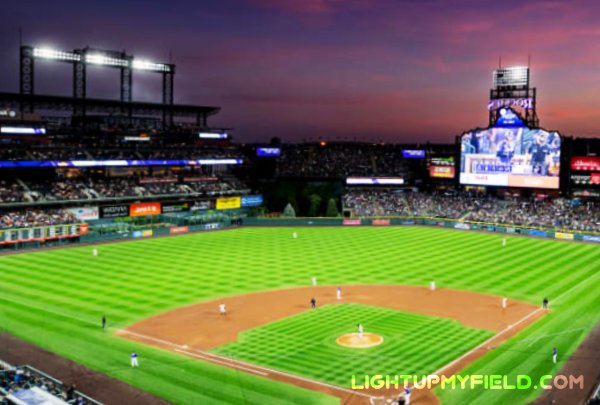 Sports infrastructure funding has become increasingly competitive in recent years. Many cities are trying to modernize aging facilities, while schools and community clubs are dealing with tighter budgets. Because of that, grant providers want to know exactly why a project deserves support.
A vague statement like “we need better lighting” usually won’t carry much weight. Decision-makers often look for practical explanations backed by data, such as how many athletes use the facility annually, how outdated the current system is, or how many additional hours of field usage the upgrade could create each week.
For example, a youth football field that currently shuts down at 6 PM during winter months may be able to host an extra 20 to 30 hours of activities weekly after new LED lighting is installed. Numbers like these help funders visualize the direct value of the project.
Grant Reviewers Want Real Community Impact
One thing many successful applications have in common is that they focus heavily on community benefits instead of only talking about equipment.
Grant providers generally want to support projects that create wider positive outcomes. That may include increasing youth participation in sports, giving working families more flexible practice schedules, improving accessibility, or creating safer public recreation spaces.
A softball complex that serves 1,500 local players every season tells a stronger story than simply listing fixture specifications. The human side matters. Communities that explain how lighting upgrades affect students, families, coaches, and local businesses tend to create more convincing proposals.
Strong Reasons Build Trust and Credibility
Another reason detailed justifications matter is credibility. Organizations that present realistic goals, transparent budgets, and long-term plans often appear more reliable to grant committees.
For instance, if a soccer club explains that switching to LED fixtures could reduce energy consumption by 50% to 70% compared to older metal halide systems, it demonstrates financial awareness rather than just asking for funding. Reviewers appreciate projects that show planning beyond the installation phase.
Many grant programs also favor applicants who understand maintenance costs, operational savings, and sustainability goals. A proposal backed by research and practical planning simply feels more trustworthy.
Key Reasons to Apply for Sports Field Lighting Grants
Improved Safety for Players and Spectators
One of the biggest reasons organizations pursue sports lighting grants is safety. Poor visibility increases the risk of player injuries, especially in fast-paced sports like baseball, football, and soccer where reaction time matters.
For baseball and softball fields, inadequate lighting can make it difficult for players to track fly balls traveling at high speeds. In football, dim areas on the field can affect visibility during tackles or passes. Even outside the playing area, poorly lit parking lots and walkways may create security concerns for families attending evening games.
Modern LED sports lighting systems provide more consistent brightness and better visibility across the entire facility. Many newer systems also reduce glare, which improves comfort for both players and spectators.
Parents are much more likely to support evening sports programs when facilities feel safe and professionally maintained. That sense of security can have a surprisingly large effect on participation rates.
Extended Playing Hours and Better Scheduling
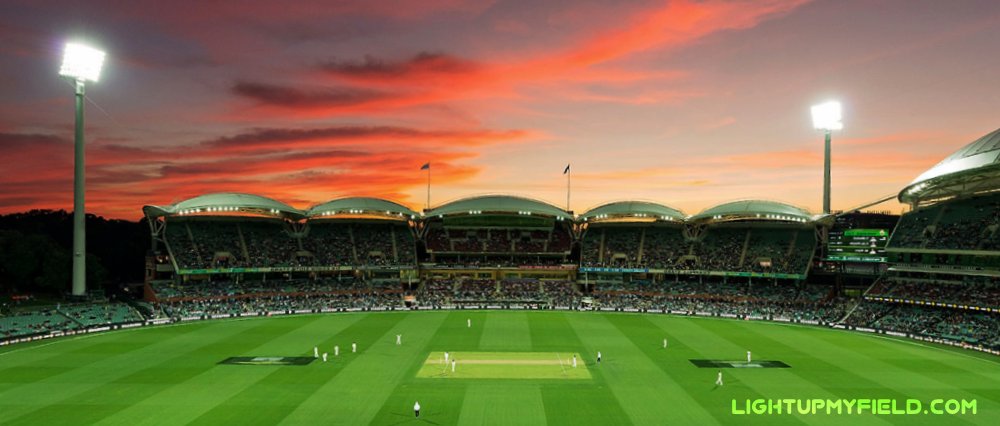
One of the most practical benefits of field lighting is the ability to extend operating hours. Without proper lighting, facilities are limited by daylight, which becomes a major issue during fall and winter seasons.
Schools and community leagues often struggle with scheduling conflicts because multiple teams need to share the same fields. Adding lighting allows practices and games to continue later into the evening, making facilities far more flexible.
A football field that could previously host only two practices per day may suddenly support four or five sessions once lighting is installed. That increased availability helps maximize public investment in sports infrastructure.
For growing communities, this can make a huge difference. Instead of building entirely new fields, organizations may be able to accommodate demand simply by improving existing facilities.
Lower Energy Costs and Reduced Maintenance
Energy efficiency is another persuasive reason to apply for lighting grants, especially when replacing older systems.
Traditional metal halide sports lights consume large amounts of electricity and usually require more maintenance over time. LED systems, on the other hand, typically use significantly less energy while lasting much longer. Some facilities report energy savings of 40% to 70% after upgrading to LED lighting.
Maintenance savings can also add up quickly. Older fixtures often require frequent bulb replacements, lift equipment, and labor costs. LEDs generally have longer operational lifespans, sometimes exceeding 50,000 hours.
For municipalities and schools already dealing with tight operating budgets, reducing long-term utility and maintenance expenses can help free up funds for other community programs.
Economic Opportunities for Local Communities
Sports lighting projects can also create economic activity beyond the facility itself.
Well-lit sports complexes are more attractive for tournaments, regional competitions, and evening events. When tournaments bring in visiting teams, local restaurants, hotels, and retail businesses often benefit from increased traffic.
A baseball or soccer tournament with 40 teams can generate thousands of dollars in local spending over a single weekend. Some municipalities specifically use sports tourism as part of their economic development strategy.
Lighting upgrades may also increase rental opportunities. Community organizations, adult leagues, and training programs are more likely to rent facilities that offer flexible evening access.
This broader economic angle can strengthen grant applications because it shows benefits extending beyond athletics alone.
Better Access for Youth and Working Families
One challenge many families face is scheduling. Parents may work during daytime hours, while students have classes and homework commitments. Without evening access to sports facilities, participation can become difficult.
Lighting upgrades create more opportunities for after-school programs, evening practices, and recreational leagues. This flexibility can help more children stay involved in organized sports and physical activity.
For underserved communities, additional evening access may provide safer and more structured environments for youth engagement. Some organizations also use lighting improvements to support adaptive sports programs and broader community inclusion initiatives.
When grant applications emphasize accessibility and community wellness, they often resonate more strongly with funding organizations.
| Category | Estimated Figures / Impact |
|---|---|
| LED Energy Savings | 40% to 70% lower energy usage |
| LED Lifespan | 50,000+ operating hours |
| Additional Field Usage | 20 to 40 extra hours per week |
| Football Field Scheduling | From 2 sessions to 4 to 5 sessions daily |
| Tournament Team Size | Around 40 teams per event |
| Local Economic Impact | Thousands of dollars in weekend spending |
| Maintenance Reduction | Fewer bulb replacements and labor costs |
| Evening Program Growth | Higher participation from youth and working families |
Sports Fields That Commonly Benefit from Lighting Grants
Baseball Fields
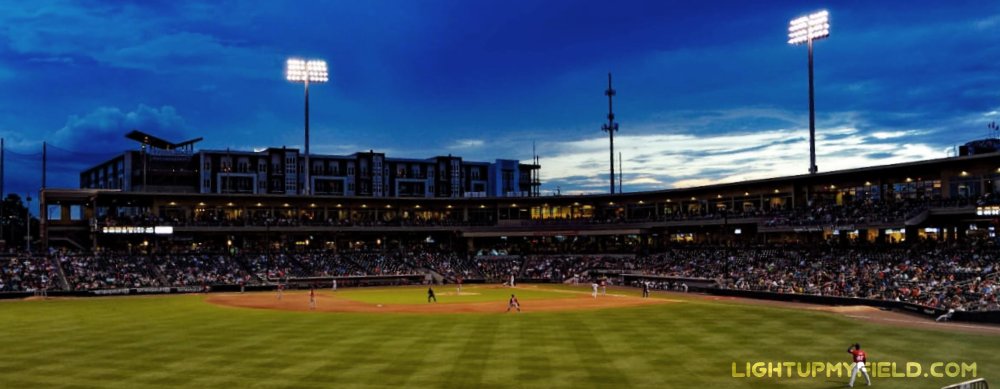
Baseball fields are among the most common facilities seeking lighting upgrades. Because the sport relies heavily on ball tracking and reaction speed, visibility standards are especially high.
Many local baseball organizations use grants to install LED systems that improve infield and outfield visibility while reducing glare for players and spectators. Better lighting also allows leagues to host night games, tournaments, and extended practice schedules.
Communities with strong baseball participation often see lighting projects as a way to support both youth development and local event hosting.
Softball Fields
Softball complexes frequently share similar lighting needs with baseball facilities, although field dimensions and lighting layouts may differ.
Recreational softball leagues are often extremely active during evenings, especially adult leagues that operate after regular work hours. Lighting upgrades help maximize field usage while improving player safety and spectator experience.
For parks departments managing multiple softball diamonds, LED conversions may also reduce operational costs across the entire complex.
Football Fields
Football fields are commonly used for much more than football alone. In many communities, they also host marching band rehearsals, school ceremonies, soccer games, and public events.
Because football facilities often attract large crowds, lighting quality plays a major role in both safety and overall atmosphere. Well-lit stadiums create a better experience for athletes, students, and spectators alike.
Friday night games remain a huge part of community culture in many areas, and lighting upgrades can help schools maintain facilities that support those traditions while improving energy efficiency.
Soccer Fields
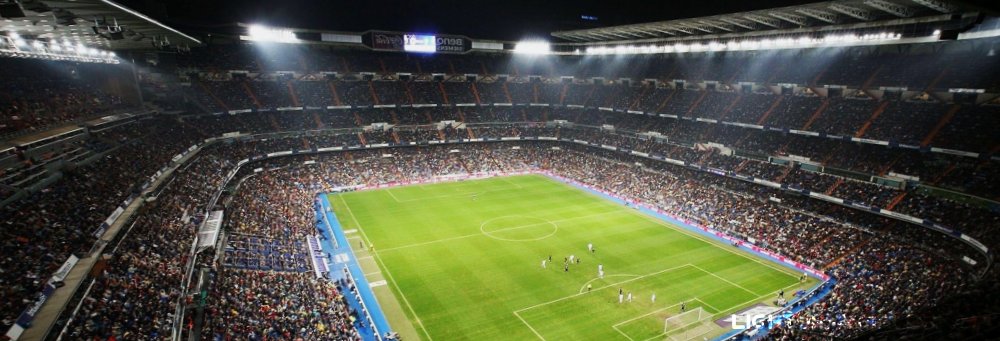
Soccer participation has grown rapidly over the past two decades, particularly at youth and club levels. As demand increases, field availability becomes a constant challenge.
Lighting allows soccer organizations to schedule more training sessions and matches without needing additional land. For clubs operating year-round programs, evening access can dramatically improve scheduling flexibility.
Tournament hosting is another factor. Proper lighting enables facilities to accommodate more games over shorter periods, which is attractive for competitive events.
Multi-Sport Complexes
Multi-purpose sports complexes often see some of the greatest overall value from lighting grants because several sports benefit from the same infrastructure improvements.
A single complex may support baseball, softball, soccer, lacrosse, and recreational programs throughout the year. Extending operating hours across multiple fields increases facility efficiency and expands programming opportunities.
Grant reviewers often respond positively to projects that impact large numbers of users across different sports and age groups.
Examples of Strong Reasons to Include in a Grant Application
Demonstrating Community Need
One of the strongest approaches is clearly showing why the project is needed now rather than later.
For example, an organization might explain that field usage has increased by 35% over the last five years, creating scheduling limitations that affect hundreds of athletes weekly. Another facility may describe outdated lighting systems that no longer meet recommended illumination standards.
The more specific the explanation, the more persuasive it becomes.
Showing Safety Concerns
Safety concerns should also be described in practical, realistic terms. Instead of making overly dramatic claims, successful proposals usually explain how improved lighting enhances visibility for athletes, coaches, and spectators.
Applications may include details about uneven field lighting, aging infrastructure, or poorly lit public areas surrounding the facility.
Photographs, lighting measurements, and maintenance records can strengthen these claims substantially.
Highlighting Financial and Environmental Benefits
Grant providers often appreciate projects that demonstrate long-term value.
If a lighting upgrade is expected to reduce annual electricity costs by $15,000 or lower maintenance expenses by 60%, those figures help justify the investment. Environmental benefits can also support the proposal, especially for grants connected to sustainability initiatives.
Modern LED systems frequently reduce energy consumption while minimizing light spill into surrounding neighborhoods. That combination of efficiency and environmental consideration appeals to many funding organizations.
Tips for Writing a Strong Sports Lighting Grant Proposal
Use Real Numbers Whenever Possible
One thing that separates stronger grant applications from weaker ones is specificity. Grant reviewers read a lot of proposals, and vague statements tend to blend together very quickly.
Instead of saying a facility is “busy” or “widely used,” include actual participation data whenever possible. For example, stating that “more than 2,500 athletes use the sports complex annually” feels far more convincing and measurable.
You can also include numbers related to tournament attendance, projected energy savings, field rental demand, or expected increases in operating hours after the lighting upgrade.
If a facility expects to reduce electricity costs by 55% after switching to LED sports lighting, that statistic immediately gives reviewers a clearer understanding of the project’s long-term value.
Focus on Long-Term Benefits
Grant providers usually prefer projects that create sustainable, long-term community benefits rather than temporary improvements.
Organizations should explain how the lighting upgrade supports future growth, improves operational efficiency, and helps reduce ongoing maintenance expenses over time.
For example, if the lighting system is expected to last 15 to 20 years while reducing maintenance calls significantly, that helps demonstrate financial planning and long-term facility management.
Reviewers also appreciate applications that show broader community value beyond sports alone. If the facility supports public recreation, school programs, community events, or youth engagement initiatives, those details help strengthen the proposal further.
Include Community Support and Partnerships
Community support can make a surprisingly large difference during the grant evaluation process.
When schools, youth leagues, municipal departments, coaches, and local organizations all support the same project, it signals that the facility serves a meaningful role within the community.
Letters of support, participation statistics, and partnership agreements can all help reinforce the proposal. Some organizations even include feedback from parents, athletes, or local residents explaining how improved sports lighting would benefit the area.
Projects that demonstrate collaboration between multiple groups often appear more practical, more community-focused, and more deserving of public or private funding support.
A Smarter Way to Move Sports Facilities Forward
Sports field lighting projects are about much more than brighter facilities. They help communities create safer environments, support youth programs, increase field availability, and reduce long-term operational costs. Whether it’s a baseball diamond hosting evening tournaments, a football stadium serving local schools, or a soccer complex expanding training opportunities, lighting upgrades can create benefits that extend far beyond the playing surface.
The strongest grant applications usually combine practical data with a genuine understanding of community needs. When organizations clearly explain how improved lighting supports athletes, families, schools, and local economies, funding proposals become far more persuasive.
If your school, municipality, or sports organization is planning a field lighting project, our team can help you evaluate options, prepare stronger project plans, and explore suitable funding opportunities. Feel free to reach out for a consultation and discuss how the right lighting solution can support your facility goals both now and in the years ahead.