Have you ever thought about how lighting can completely change the game? Evening golf is more than a trend—it’s a way to extend playing hours, host events, and even boost revenue. But not all lights are created equal. Choosing the right setup can make your course safer, more enjoyable, and even more energy-efficient. Let’s explore what makes golf course lighting work and how you can get the best setup for your course.
Understanding Golf Course Lighting
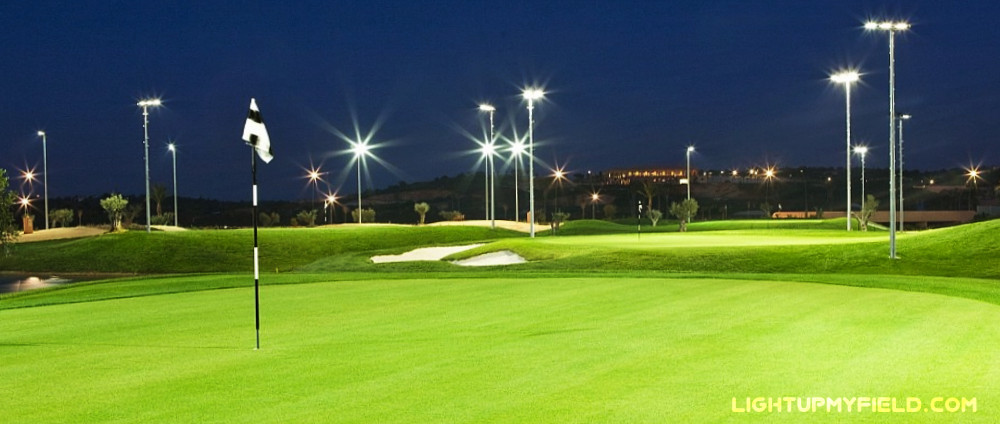
Ever wonder why some golf courses look downright magical under the evening sky, while others feel more like a dimly lit parking lot? A lot of that comes down to how thoughtfully the lighting is planned and installed. Lighting isn’t just about spotting your ball—it’s about helping golfers navigate fairways, greens, bunkers, and hazards safely while keeping the experience natural and relaxing. The right lighting can actually improve a player’s swing and confidence, especially when the sun starts to set.
Types of Golf Course Lights
There are several types of lights that courses usually use. Floodlights are the go-to for big open areas like driving ranges or practice tees. They provide broad, even coverage so players can see balls clearly even from 200-300 yards away. Pole lights are more targeted and great for illuminating pathways, cart paths, or smaller greens. Some courses even use solar-powered lights for remote areas or tees, which can save a lot of wiring costs while keeping the eco-friendly factor high.
The debate between LEDs and traditional halogen lights is pretty clear in most modern golf facilities. LEDs are about 50-70% more energy-efficient and last 3-4 times longer than halogen bulbs. For example, a 400-watt LED floodlight can run for 50,000 hours, which is roughly 15 years of nightly golf sessions, while halogen bulbs need replacing every 12-18 months. Over time, that’s thousands of dollars saved in energy bills and maintenance. Some clubs report cutting annual lighting costs by up to $8,000-$10,000 after switching to LED systems.
| Type | Typical Use |
|---|
| Floodlights | Driving ranges, practice tees, fairways |
| Pole lights | Pathways, cart paths, small greens |
| Solar lights | Remote areas, tees |
| LED lights | Energy-efficient replacement for all areas |
| Halogen lights | Older systems, shorter lifespan |
Placement and Angle – The Unsung Heroes
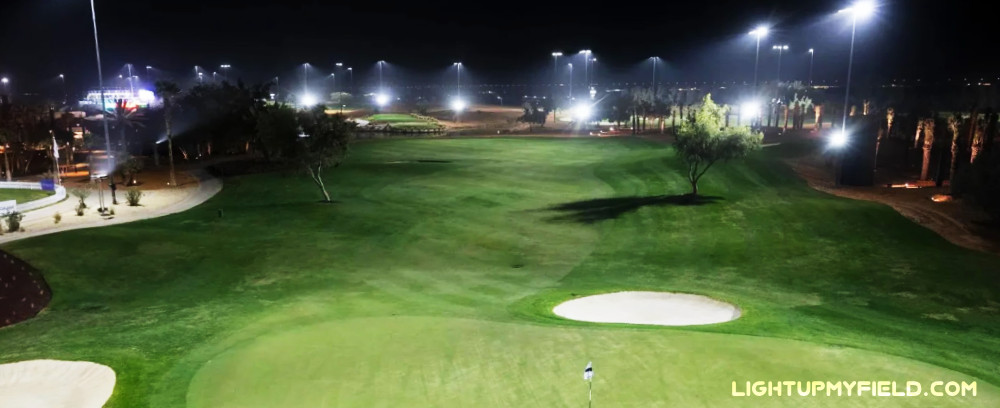
Where you put the lights and the angles you choose are just as important as the type of light. Lights shining directly at players can create glare, making it hard to track a ball mid-flight. On the other hand, poorly placed lights leave shadowy spots on fairways or greens, where golf balls are easy to miss and players end up squinting or misjudging distances. Many pro courses aim for a mix of overhead and side lighting to create even coverage without blinding anyone.
A good rule of thumb: greens usually need about 20-30 lux, while tees and driving ranges often need closer to 50 lux to give players a clear line of sight on their drives and chips. For tournaments or night events, courses might even increase brightness to around 70 lux on the key holes to make play and TV coverage sharper.
Energy Efficiency and Durability
Running a golf course is expensive enough without worrying about sky-high electricity bills. LEDs are the stars here because they cut costs while keeping the course bright and safe. On a medium-sized 18-hole course with roughly 50 floodlights, switching to LED could save $4,000-$6,000 per year in electricity alone.
Durability is another factor you can’t ignore. Courses deal with rain, wind, and sometimes sand or dust from bunkers, so lights with an IP65 rating or higher are ideal. Materials like aluminum, stainless steel, or powder-coated metals help resist corrosion, especially for courses near the coast. A poorly built lighting system can mean replacing fixtures every couple of years, which can add up to $20,000 or more in unnecessary costs.
A Buying Guide for Golf Course Lighting
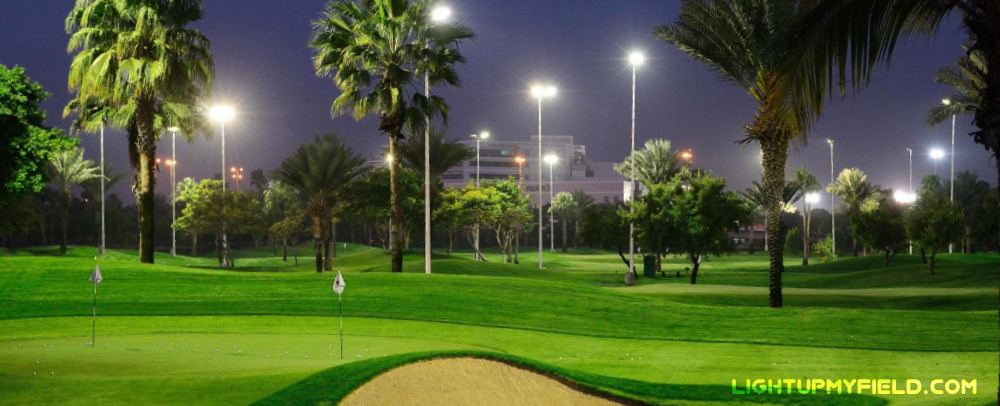
Deciding on the right lighting system for your course can feel a bit overwhelming, but breaking it down step by step makes it much easier. The first thing to do is take a close look at your course layout. How long are your fairways, and how wide are they? How many holes need extra lighting for night play? Is your driving range heavily used after sunset? By pinpointing which areas get the most traffic at night, you can focus your budget where it really counts instead of wasting money on unnecessary lighting.
Balancing Price and Performance
When comparing lighting options, don’t just chase the cheapest fixture. A $200 floodlight might seem like a bargain, but if it lasts only a year or leaves dark spots on the greens, it ends up costing more in the long run. Many top-quality LED floodlights come with warranties of 3-5 years or more, which is often a good indicator of durability and reliability. For example, Musco or Philips LED systems often last 50,000 hours or roughly 15 years of nightly play, so you’re really investing in long-term performance.
Another thing to keep in mind is the type of light needed for each area. Greens require more precise and brighter lighting—usually 20-30 lux—so players can read the slopes for putting. Tees and driving ranges often need around 50 lux because golfers need clear visibility on their drives, which may fly 250-300 yards or more.
Installation Considerations
Installation can be trickier than it seems. Smaller courses sometimes handle the setup themselves, but for larger 18-hole or championship layouts, professional installation is usually worth the cost. Getting pole heights, angles, and spacing right can make a huge difference in coverage and glare reduction. A well-installed system avoids shadows on bunkers or fairways and ensures that players can track balls in mid-flight without squinting or misjudging distances.
Professional installation may cost $50-$100 per fixture, plus extra for wiring, trenching, and pole foundations. While this can add up to $10,000-$25,000 for a medium-sized course, it’s money well spent to avoid uneven lighting and ongoing maintenance headaches.
Budget Planning and ROI
Budgeting is all about balance. A complete 18-hole LED setup can range from $20,000 to over $50,000, depending on the number of lights, poles, and control systems. But switching to energy-efficient LEDs usually pays for itself in 2-4 years, thanks to lower electricity bills and reduced maintenance. For example, a course with 50 LED floodlights might save $4,000-$6,000 annually compared to traditional halogen lighting. Over a decade, that’s tens of thousands of dollars saved—all while giving your course a modern, professional look.
Lighting in Golf Courses vs Driving Ranges
You might have noticed that lighting feels different on a driving range compared to an actual course. That’s because the lighting requirements are completely different.
Driving Range Lighting
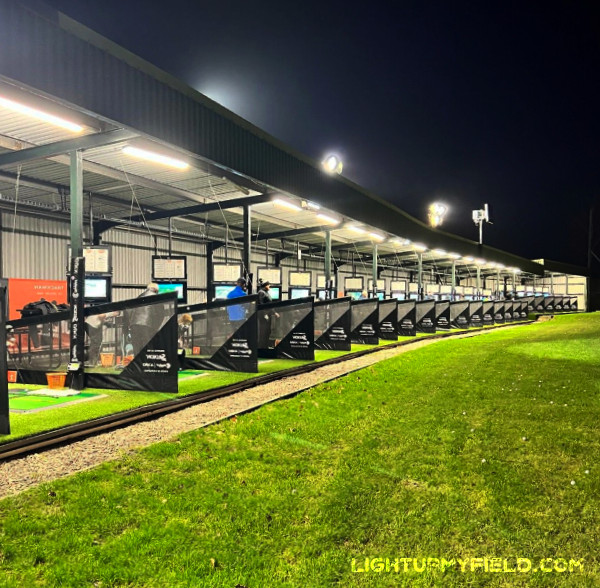 Driving ranges usually need uniform, high-intensity lighting across long stretches, often using rows of floodlights mounted 30-40 feet high. This ensures golfers can clearly see balls as they soar 200-300 yards into the air, even at night. Consistency is key—dark patches or uneven coverage can ruin the experience and make tracking balls frustrating, especially for beginners or during tournaments. Some professional ranges use 50-60 lux across the hitting area to make sure every shot is visible.
Course Lighting
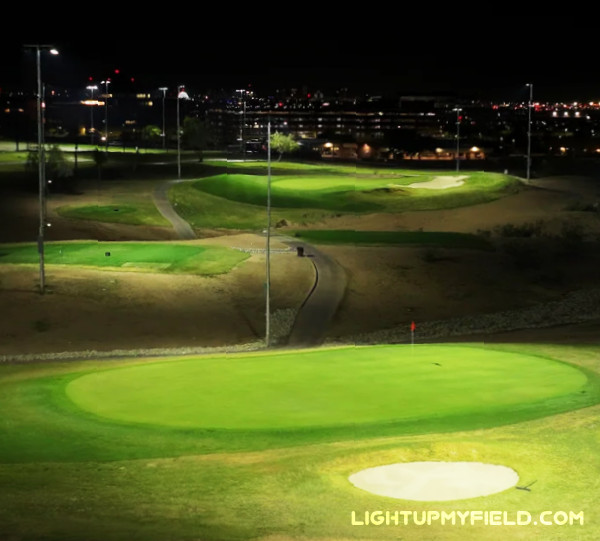
On the golf course itself, lighting is more strategic and nuanced. The goal isn’t just to see the ball—it’s to maintain the natural feel of the course while enhancing safety. Greens, bunkers, and tee boxes are usually highlighted with brighter, focused lights, while fairways have softer ambient lighting to avoid glare. Over-lighting can ruin the aesthetic and even affect player performance, so adjustable LEDs and smart angles are often used to mimic daylight conditions as closely as possible. Some courses even implement zone controls, allowing certain holes to be lit fully for night play, while others remain dimmer.
Golf Course Lighting Cost
 Thinking about adding lighting to your golf course? Understanding the costs upfront can make planning and budgeting a lot smoother—and help you avoid surprises later. Lighting isn’t just about flipping a switch; it’s an investment that affects player safety, night play hours, and even your energy bills. Let’s break down the main costs and what you can expect.
Lighting Fixtures Cost
The biggest chunk of your budget usually goes toward the fixtures themselves. High-quality LED floodlights for fairways or greens can range anywhere from $300 to $1,200 per unit, depending on brightness, brand, and whether you want smart features like adjustable angles or anti-glare lenses. Some premium options, like Musco or Philips sports LEDs, come with built-in dimming or motion-sensing capabilities, which can add $200-$300 per light but save money in the long run.
Pole lights for pathways or cart paths are usually cheaper, typically $150 to $400 each, but don’t skimp too much here. A poorly made pole light can rust, tilt, or fail within a couple of years, which ends up costing more in maintenance. Courses with lots of pathways or tees may need 50-60 poles or more, so even small differences in cost add up quickly.
Installation Cost
Installation is often underestimated. Professional installation typically costs $50-$100 per light, but this can rise depending on how much wiring, trenching, or concrete footings are needed. For a standard 18-hole course with around 50 floodlights and 40 poles, installation can run anywhere from $10,000 to $25,000, while large or championship-level courses with extensive lighting zones can easily exceed $50,000.
Correct installation isn’t just about safety—it affects performance too. Poorly angled lights can leave dark spots on greens or bunkers, create glare for golfers, or even interfere with night tournaments. A professionally installed system ensures the light covers the intended zones evenly while highlighting hazards like water features and sand traps.
Running Cost
This is where LEDs really shine. A single 400-watt LED floodlight typically costs around $0.10 per hour to run, compared with $0.25 or more for older halogen fixtures. For a medium-sized course with 50 lights running 4 hours per night, 200 days a year, that comes out to roughly $4,000 annually with LEDs versus $10,000+ with halogens. Over 5-10 years, the energy savings can cover the cost of a new lighting system entirely.
Don’t forget maintenance costs, too. LEDs often last 50,000 hours or more, meaning you might not have to replace bulbs for 15 years, while halogens may need swapping every 12-18 months. That’s not just money saved—it’s less disruption to your course and fewer night play cancellations.
Grants and Funding
Many regions offer grants or subsidies for energy-efficient lighting, especially for commercial sports facilities. Some programs cover 20-50% of costs, making a major upgrade much more affordable. This can include both the fixtures and even installation in some cases. Checking with local energy providers, municipal programs, or golf associations before committing can unlock significant savings.
Even if you don’t qualify for a full grant, some manufacturers and distributors offer financing options or bulk discounts when buying multiple lights, which can make a big difference for courses looking to upgrade an entire 18-hole layout without breaking the bank.
| Item | Number / Range |
|---|
| LED floodlight cost | $300–$1,200 per unit |
| Pole light cost | $150–$400 per unit |
| Professional installation cost | $50–$100 per light |
| Total installation (medium course) | $10,000–$25,000 |
| LED running cost | ~$0.10 per hour per light |
| Annual energy cost (50 LEDs) | ~$4,000 |
| LED lifespan | 50,000 hours (~15 years) |
Top Manufacturers of Golf Course Lighting
When it comes to lighting a golf course, not all brands are created equal. Choosing the right manufacturer can save you headaches, reduce energy bills, and even improve the overall player experience. Some of the top names in the industry include Philips, Musco, Hubbell, Eaton, and Cree. Each has its own strengths, and understanding what they offer can make selecting a system much easier.
Philips
Philips is widely recognized for high-quality LED floodlights that deliver excellent energy efficiency. Their systems are known for consistent brightness and color rendering, which means greens, fairways, and hazards are illuminated evenly, helping golfers see the contours of the course at night. A medium-sized 18-hole course using Philips LEDs can expect to save $4,000-$6,000 annually on energy compared to traditional halogen lighting. Many clubs also appreciate the long lifespan of 50,000 hours, which can reduce maintenance and bulb replacement costs for up to 15 years.
Musco
Musco is the go-to choice for large-scale sports lighting, including driving ranges, tournament courses, and championship layouts. Their lights often include advanced glare control, which is perfect for courses where player safety and TV broadcast quality are priorities. For courses hosting evening tournaments, Musco’s systems can provide uniform coverage over up to 400 yards of driving range or 18-hole layouts. Musco also offers fully adjustable systems, so each hole or range segment gets the right amount of light without over-illuminating nearby areas.
Hubbell and Eaton
Hubbell and Eaton specialize in robust pole lighting solutions, ideal for pathways, tees, and smaller greens. Their fixtures are built to withstand harsh outdoor conditions, with many rated IP65 or higher for dust and water resistance. Courses near coastal areas or in windy climates often prefer these brands because the poles and housings are extra durable, reducing maintenance costs and downtime. Eaton, in particular, offers smart lighting options with zone control and dimming, letting courses tailor lighting for evening practice sessions or partial-hole events.
Cree
Cree has made a name for itself with cutting-edge LED technology that focuses on energy efficiency and longevity. Their lights deliver the same brightness as halogen systems while using up to 70% less electricity. Many courses report that switching to Cree LEDs reduced their annual electricity bills from over $10,000 to under $4,000, depending on the size of the facility. Cree’s fixtures are also compatible with smart controls, making them a popular choice for modern courses looking to integrate timers, remote adjustments, and automated dimming.
Real-World Performance
Looking at reviews and case studies is a great way to see how these brands perform on actual courses. Many golf courses report 50-60% energy savings after upgrading to modern LED systems from these manufacturers. Beyond the numbers, players notice the difference too: greens and fairways are brighter without glare, bunkers are visible, and driving ranges feel safer and easier to navigate at night. That kind of return—both financially and in player satisfaction—makes investing in a reputable brand worth it.
When selecting a manufacturer, it’s not just about the upfront cost. Think about long-term savings, durability, coverage, and player experience. A high-quality system may cost more initially, but it often pays for itself in 3-5 years through energy efficiency, reduced maintenance, and happier golfers.
Benefits of Upgrading Golf Course Lighting
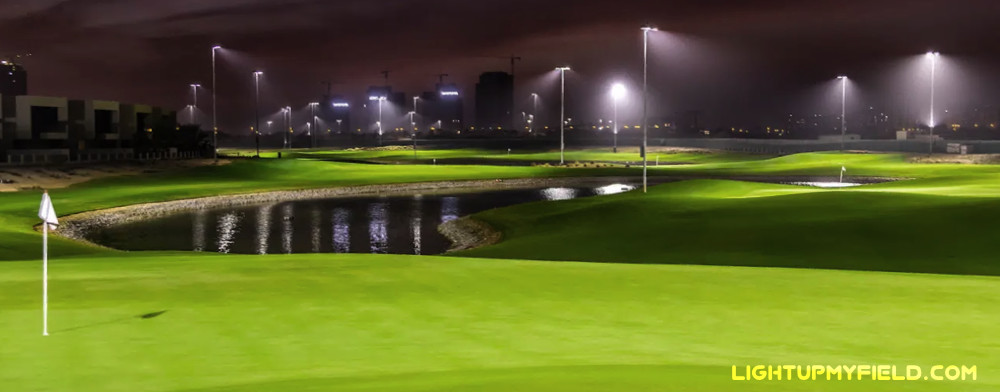
So why should you even think about upgrading the lighting on your golf course? The answer is simple: it’s more than just aesthetics—it’s about enhancing play, safety, and revenue all at once.
Extend Playable Hours and Boost Revenue
One of the biggest benefits is that evening and night play becomes a real possibility. Most courses see a drop in revenue once the sun goes down, but with high-quality LED lighting, golfers can continue to play safely long after sunset. Evening tee times are often in high demand, and many courses charge a premium rate of 20-30% higher for night rounds. Hosting night tournaments, corporate events, or charity matches can also bring in extra income, sometimes adding $5,000-$10,000 per event depending on the size of the course.
Night play isn’t just a bonus—it can make your course a community hub, attracting local players who might not otherwise visit during daylight hours.
Improve Safety and Player Experience
Safety is another big reason to invest in better lighting. Poorly lit fairways, bunkers, or cart paths increase the risk of trips, mis-hits, or even lost balls, which frustrates players and slows down rounds. Well-planned lighting reduces blind spots, highlights hazards like water features and sand traps, and keeps golfers confident with every shot. Courses that have upgraded lighting report fewer on-course incidents, which can also reduce liability concerns.
Modern Look and Marketing Appeal
Lighting upgrades also give your course a modern, professional look. Well-lit greens and fairways not only improve gameplay—they make your course more visually appealing for events, photos, and social media. Courses with standout night lighting often see more bookings for weddings, corporate events, and nighttime tournaments, because the ambiance adds an extra “wow factor.” Golfers tend to share these visually striking experiences online, giving your course free marketing and boosting its reputation.
Long-Term Energy Savings
Upgrading to energy-efficient LED lighting isn’t just good for aesthetics—it’s smart financially. Many courses cut electricity costs by $4,000-$10,000 per year after switching from halogen or older metal halide lights. Over 10 years, that could mean $40,000-$100,000 saved, which can be reinvested into turf care, clubhouse renovations, or other course improvements. Plus, LEDs last far longer—often 50,000 hours, which reduces replacement and maintenance costs for years.
Boost Overall Player Satisfaction
Finally, upgraded lighting improves the overall experience for golfers, both casual and serious players. They can enjoy longer practice sessions, see the contours of greens clearly, and feel safer moving around the course at night. When players have a better experience, they’re more likely to return, leave positive reviews, and even bring friends—creating a cycle of increased revenue and engagement.
Golf Course Lighting Q&A – Answers to Your Top Questions
1. Should I upgrade my existing lighting or replace it entirely?
Deciding whether to upgrade or replace your golf course lighting comes down to age, efficiency, and coverage. Upgrading is a solid choice if your existing fixtures are still in decent shape but use outdated technology, like halogen or metal halide bulbs. Swapping in modern LED bulbs in those fixtures can cut energy consumption by 50-70%, reduce heat output, and extend bulb life dramatically—all without tearing out poles or rewiring the entire course.
However, full replacement is often the smarter route if your poles are rusted, wiring is old, or your light coverage is inconsistent across fairways and greens. Older setups tend to create dark spots on fairways, uneven lighting on greens, or glare near hazards, which can frustrate golfers and even impact pace of play. Installing a brand-new system also opens the door to smart lighting controls, adjustable angles, and uniform illumination, which older systems simply can’t deliver.
Many courses that invest in a full LED replacement see their costs pay for themselves in 3-4 years through energy savings, fewer maintenance calls, and longer-lasting fixtures. Plus, the modern look of a fully upgraded system can enhance the course’s reputation, attract evening players, and support night tournaments or special events.
2. How many lights do I actually need for an 18-hole course?
The number of lights needed depends on fairway lengths, hole widths, and how much night play you expect. As a general guideline, a typical 18-hole course might require 40-60 floodlights to cover fairways and greens effectively, plus 30-50 poles for tees, cart paths, hazards, and smaller greens.
Driving ranges usually need fewer but high-intensity floodlights, around 10-20 units, carefully spaced to provide consistent lighting across the entire hitting area. The spacing ensures golfers can track their shots, even when balls fly 250-300 yards, without shadows or uneven patches.
Many courses hire professional lighting designers to create a customized layout plan. This helps maximize coverage, minimize glare for golfers, and ensure hazards like bunkers, water features, and trees are visible without over-illuminating neighboring properties. A proper plan prevents wasted energy and improves the player experience significantly.
3. How many watts should each light be?
For modern LED systems, the wattage depends on fixture type, height, and coverage area. Floodlights for fairways and greens typically range from 150W to 400W, while pole-mounted lights for pathways, tees, or smaller greens usually fall between 50W and 150W.
High wattage isn’t always better—beam angle, placement, and mounting height matter just as much. Many courses find that 200-250W LEDs mounted 25-40 feet high provide excellent visibility without causing glare for golfers or neighboring properties. Advanced systems allow for adjustable angles and dimming, so lights can be fine-tuned for tournaments, casual night rounds, or practice sessions.
Choosing the right wattage and placement ensures even coverage across fairways, highlights hazards for safety, and makes greens easier to read for putting.
4. How much does it cost to light an entire golf course?
The cost of a full LED lighting system for an 18-hole course—including floodlights, poles, installation, and control systems—typically ranges from $20,000 to $50,000, depending on the complexity and size of your course. Upgrading individual areas, like the driving range or just key holes, can be $5,000-$15,000.
While the upfront investment might seem high, many courses recoup costs in 2-4 years through lower electricity bills and reduced maintenance. For example, a course with 50 LED floodlights running 4 hours a night can save $4,000-$6,000 per year compared to halogen systems. Grants, subsidies, or bulk purchase discounts can reduce costs further—sometimes by 20-50%, making upgrades even more affordable.
A properly designed system also reduces wasted energy from overlapping coverage or poorly aimed fixtures, further boosting ROI.
5. Will night lighting really increase revenue?
Absolutely. Evening golf is growing in popularity, and courses that offer night play often see 20-30% higher fees per round. Hosting night events, tournaments, or corporate outings can generate $5,000-$10,000 per event, depending on your course size and amenities. Extended play hours also allow more rounds per day, increasing total green fee revenue without adding new holes.
Well-lit fairways and greens not only improve safety but also enhance the overall experience. Players feel confident hitting long drives or challenging chips under proper lighting, which leads to higher satisfaction, more repeat visits, and positive word-of-mouth referrals. In other words, a lighting upgrade isn’t just an operational improvement—it’s a direct revenue booster for the course.
6. Can I control the lights individually per hole or area?
Absolutely. Modern LED systems often come with smart controls, timers, and dimming options, giving you complete flexibility over which holes, greens, or pathways are lit at any time. This is especially useful for partial-hole night events, evening practice sessions, or driving range use, where only certain areas need full illumination.
Some advanced systems even allow remote control via mobile apps or desktop software, so course managers can adjust brightness or schedules without being on-site. For instance, you could dim holes 10-18 after 9 PM while keeping the front 9 fully lit for late-night golfers, cutting energy costs by 10-20% per night. Smart zoning also prevents unnecessary wear on lights, extending fixture life and reducing maintenance calls.
Courses that use individual zone control report more efficient energy use and better player satisfaction, because golfers have exactly the right lighting where they need it, without glare or over-illumination.
7. How long do LEDs last compared to older lights?
LED floodlights designed for golf courses generally last 50,000 hours, which translates to roughly 15 years of nightly play if you run the lights about 4 hours per night for 200 nights per year. In comparison, metal halide or halogen bulbs often require replacement every 12-18 months, adding up to 10–12 replacements over the same time period.
This longevity translates to significant savings on labor, replacement bulbs, and maintenance costs—potentially thousands of dollars over a decade. For example, replacing 50 halogen floodlights every 18 months could cost $15,000-$20,000 over 10 years, not including labor, whereas LEDs could cut that cost by 80–90%.
Long-lasting LEDs also reduce course downtime for maintenance, keeping holes open for night play and tournaments, which further improves revenue potential.
8. Are there energy-saving incentives or grants for golf courses?
Yes. Many local governments, energy providers, or sports facility programs offer subsidies, rebates, or grants for installing energy-efficient lighting. Some programs cover 20-50% of costs for upgrading to LEDs, including fixtures and sometimes installation. For a medium-sized course, this could mean $5,000–$15,000 saved upfront.
Even without grants, switching to LEDs is still a smart financial decision. Courses running 50 floodlights for 4 hours per night can save $4,000–$10,000 per year in electricity compared to older halogen systems. Over 10 years, that’s $40,000–$100,000 saved, not including reduced maintenance and replacement costs.
For clubs looking to maximize savings, combining a grant with smart LED controls can cut energy bills even further, making night play more affordable and profitable.
9. How do I make sure the lighting doesn’t blind golfers or spill into neighboring properties?
Proper placement, adjustable angles, and glare control are key. Top brands like Musco and Philips offer shielded fixtures and precise beam-angle adjustments that direct light exactly where it’s needed—on fairways, greens, hazards, and pathways—without spilling into neighboring homes or streets.
Professional lighting designers often create a detailed lighting plan that considers pole height, spacing, beam direction, and lux levels for each area of the course. This ensures uniform coverage without over-lighting, prevents glare, and maintains a natural night-time experience for golfers. Some courses also implement zoning or dimming controls to further reduce light pollution during low-traffic hours.
Courses that follow these design principles report fewer complaints from neighbors, safer play, and better golfer satisfaction, all while maintaining energy efficiency.
Conclusion
Adding or upgrading golf course lighting isn’t just about looks—it’s about improving playability, safety, and even your bottom line. From the upfront cost of fixtures and installation to the long-term savings on electricity, well-planned lighting is a smart move for any course. If you’re curious about what setup works best for your fairways, greens, or driving range, reach out to our team for a tailored consultation. We can help you find the perfect lighting solution that fits your course and budget.